

Psoriasis and psoriatic arthritis are linked autoimmune conditions that affect skin and joints. About 30% of psoriasis patients develop joint damage, but early treatment can prevent permanent harm. Learn the signs, diagnosis, and modern treatments.
Author: Phil Scoble - Page 2

Blue light from screens doesn't cause permanent eye damage, but it can disrupt sleep and cause eye strain. Learn the habits that actually help - not the filters - and how to protect your vision without spending a dime.
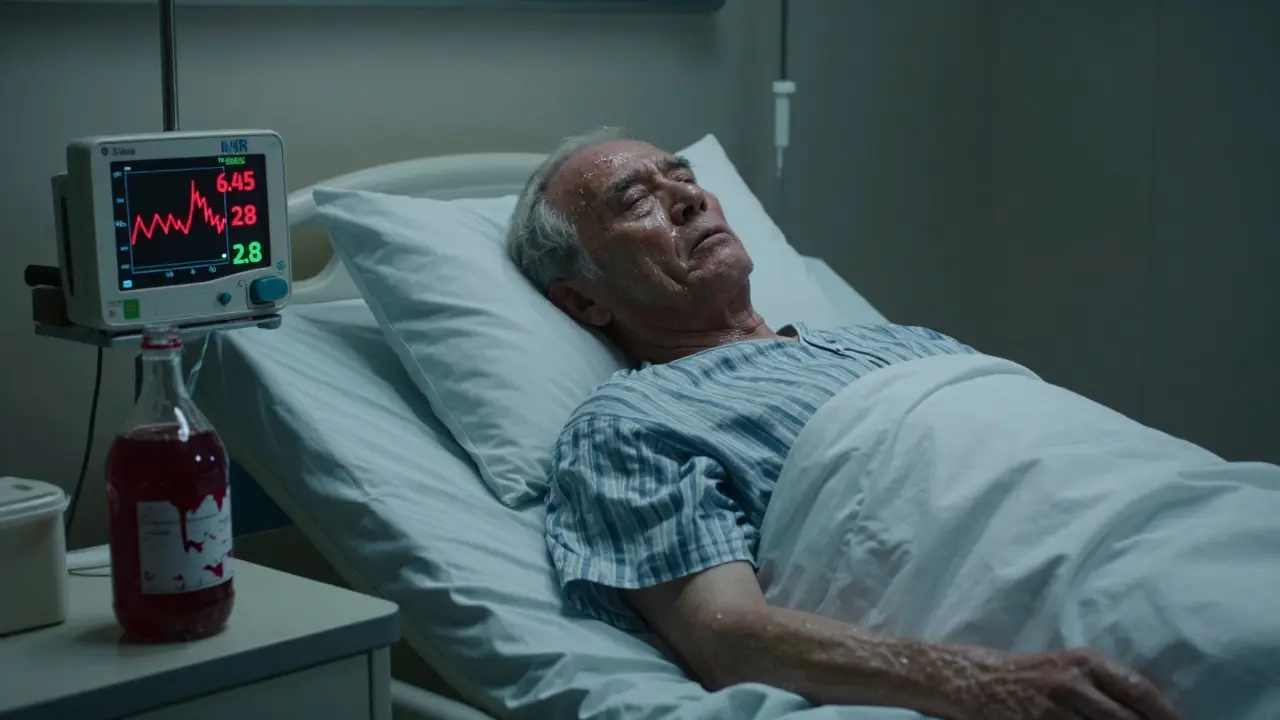
Cranberry products can dangerously increase bleeding risk in people taking warfarin by interfering with how the drug is metabolized. Even small amounts may spike INR levels, leading to life-threatening bleeding. Avoid all cranberry forms if you're on this blood thinner.
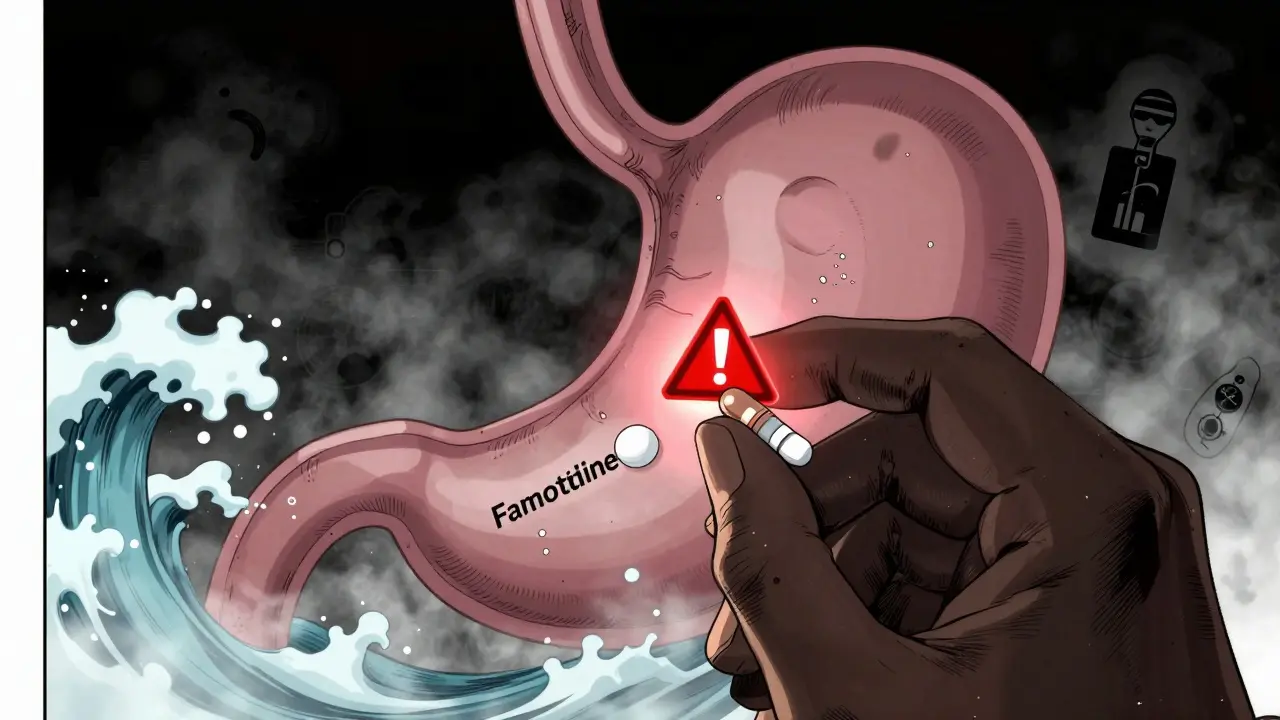
H2 blockers like famotidine and cimetidine can seriously reduce the effectiveness of antivirals and antifungals by altering stomach pH and enzyme activity. Knowing which drugs are affected and how to time doses can prevent treatment failure.

Weekend weight gain is a silent problem: small daily excesses add up over time. Learn how to stop calorie creep with simple, science-backed habits that work without strict diets.

Online reviews shape how patients view generic medications - even when science says they’re identical to brand-name drugs. Learn how patient experiences, misinformation, and communication gaps affect trust, adherence, and health outcomes.
Pharmacists prevent over 200,000 medication errors yearly by catching dosing mistakes, drug interactions, and allergies before prescriptions reach patients. Their clinical judgment, combined with technology, makes them the final and most critical safety checkpoint in healthcare.

Spondylolisthesis is a slipped vertebra causing back pain, leg symptoms, and instability. Learn how degenerative changes, sports injuries, and genetics contribute to it - and what treatments from physical therapy to spinal fusion actually work.

When life-saving drugs run out, hospitals face impossible choices. This article breaks down the ethical frameworks, real-world examples, and systemic failures behind medication rationing during drug shortages-and what needs to change.
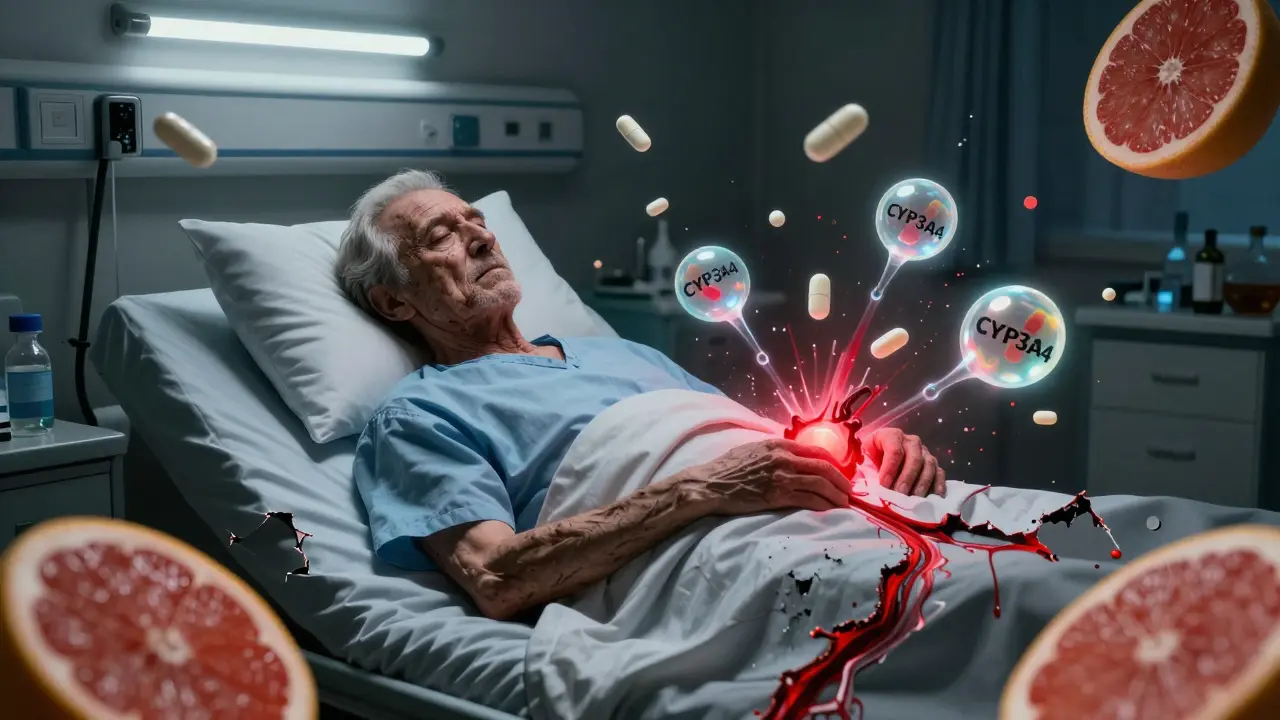
Drug interactions can make medications ineffective or dangerously strong, leading to hospitalizations and even death. Learn how common they are, which drugs are most risky, and how to protect yourself.