
What Drug Desensitization Really Means
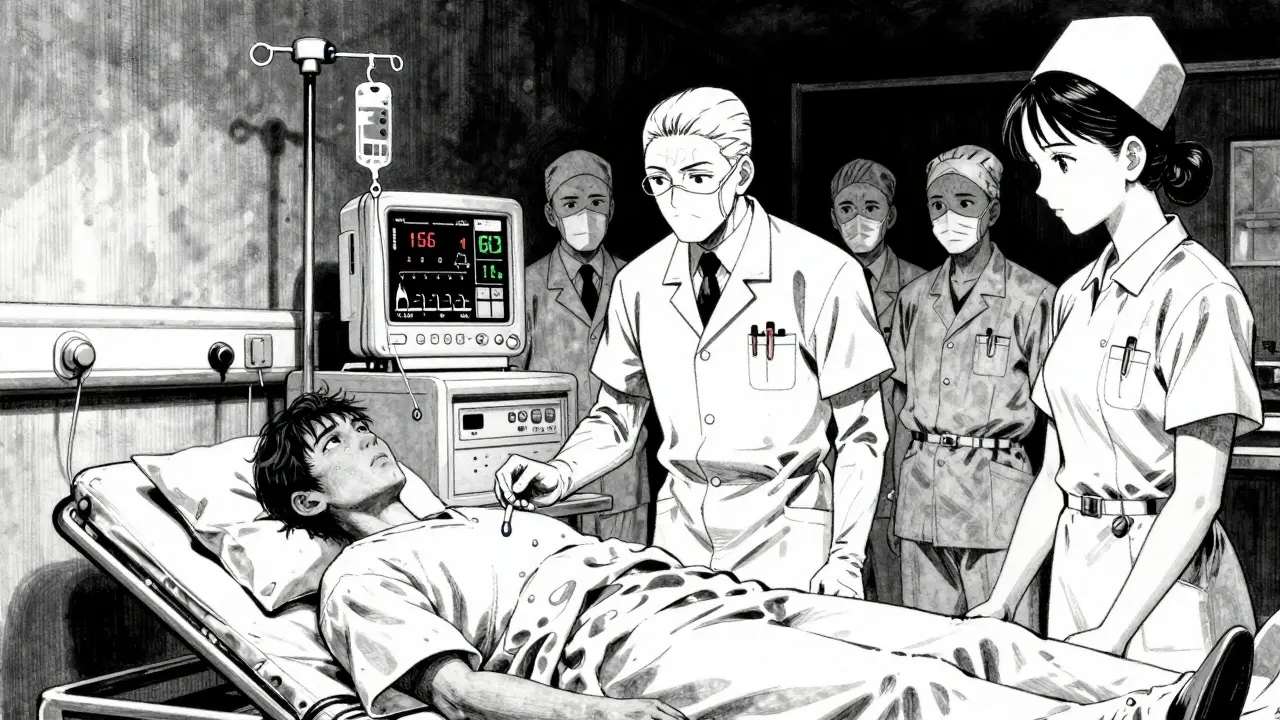
You’ve had a bad reaction to a drug-maybe hives, trouble breathing, or even anaphylaxis. Your doctor says you’re allergic. The obvious move? Avoid it forever. But what if that drug is the only thing keeping you alive? What if it’s the only chemotherapy that works for your cancer, or the only antibiotic that clears your lung infection? That’s where drug desensitization comes in. It’s not a cure. It’s not magic. It’s a carefully controlled, hour-by-hour process that lets your body temporarily tolerate a drug you’re allergic to-so you can get the treatment you need.
Why You Can’t Just Take a Small Dose at Home
Some people think, "If I’m allergic to penicillin, maybe I can just take a tiny bit and build up slowly." That’s dangerous. And wrong. Drug desensitization isn’t something you do on your own. It’s not like training for a marathon. Your immune system doesn’t "get used to" the drug over time like a muscle. Instead, it’s a temporary reset. The process works by flooding your system with tiny, increasing amounts of the drug, so your mast cells and immune cells don’t have time to react violently. It’s like slowly turning up a fire under a pot until it boils-but without letting it explode.
Doing this without medical supervision? Risky. A single mistake in timing or dosage can trigger a life-threatening reaction. That’s why every protocol is done in a hospital or specialized clinic-with nurses watching your vitals, doctors ready with epinephrine, and emergency gear on standby.
How the Process Actually Works
There’s no one-size-fits-all plan. Protocols vary based on the drug, your reaction history, and how you get the medication-IV or oral. But the core idea is always the same: start tiny, go slow, watch closely.
For IV drugs like antibiotics or chemotherapy, the most common method uses a 12-step ladder. You begin with a dose that’s 1/10,000th of your full therapeutic amount. Every 20 to 30 minutes, you get a dose that’s double the last one. By step 12, you’ve reached your full dose. That usually takes about 5 to 6 hours.
For oral drugs like aspirin or NSAIDs, it’s slower. Doses are given every hour, sometimes over several days. That’s because the body processes pills differently. The immune response can be delayed, so patience is key.
At each step, your blood pressure, heart rate, oxygen levels, and breathing are checked. If you have asthma, you’ll also do a spirometry test. If you start to react-itching, swelling, low blood pressure-the team stops, backs up to the last safe dose, and waits. Sometimes they stretch out the time between doses. Sometimes they reduce the size of the next jump. It’s not a race. It’s a careful dance.
Which Drugs Can Be Desensitized
Not all drug allergies can be safely re-challenged. But for many critical medications, desensitization is now standard care.
- Antibiotics-especially penicillin and cephalosporins-are common candidates. Many people with "penicillin allergy" aren’t truly allergic, but if you’ve had a confirmed IgE-mediated reaction, desensitization lets you use these first-line drugs safely.
- Chemotherapy-platinum-based drugs like carboplatin, taxanes like paclitaxel, and targeted therapies like rituximab or cetuximab. For cancer patients, this isn’t optional. It’s life-saving.
- Monoclonal antibodies-used for rheumatoid arthritis, Crohn’s disease, and other autoimmune conditions. Drugs like infliximab and tocilizumab can trigger reactions, but desensitization allows patients to keep using them.
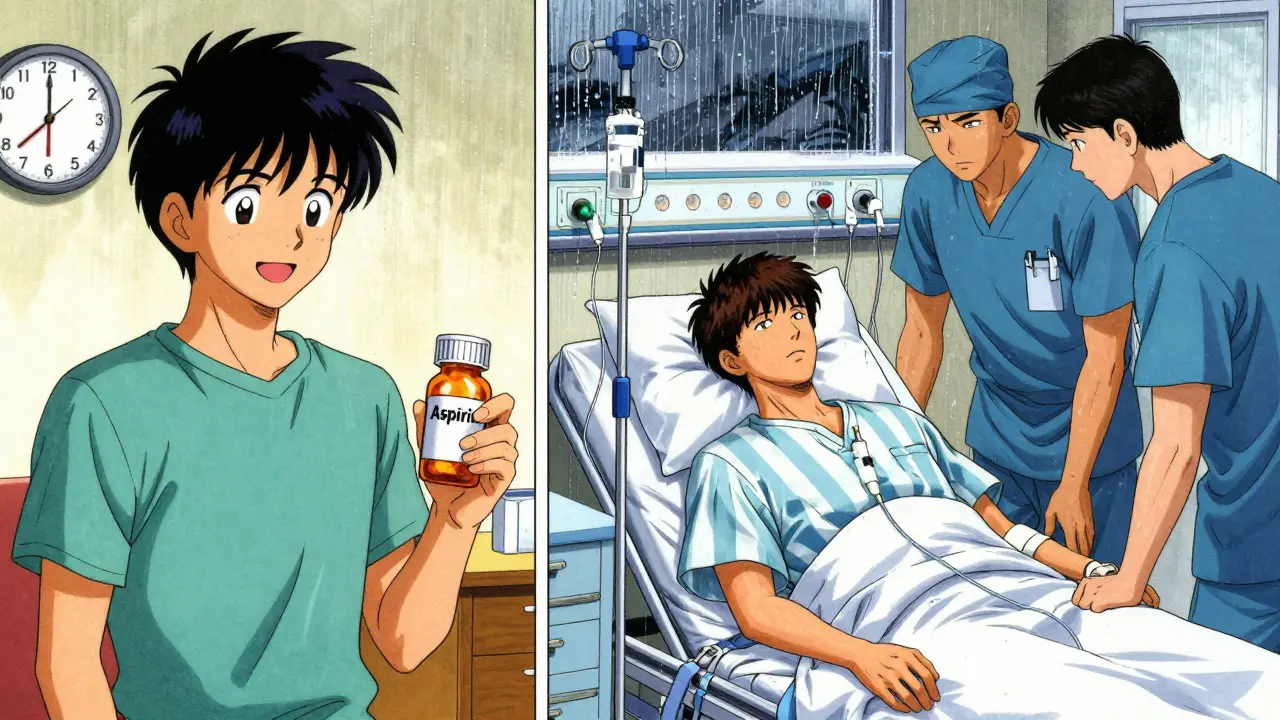
- Aspirin and NSAIDs-even though these reactions aren’t always IgE-mediated, desensitization works. Patients with severe asthma or nasal polyps who react to aspirin can be desensitized to reduce flare-ups long-term.
- Local anesthetics-if you’ve had a reaction to lidocaine or similar drugs, there are protocols to safely use them for future procedures.
There are exceptions. Never attempt desensitization if you’ve had Stevens-Johnson syndrome, toxic epidermal necrolysis, or any reaction involving blistering or skin peeling. Those are T-cell mediated, not IgE, and desensitization won’t help. Same goes for severe liver or kidney inflammation triggered by the drug.
It’s Temporary-And That’s the Point
Here’s the thing most people don’t realize: desensitization doesn’t change your allergy. It doesn’t make you immune. It just puts your immune system in a quiet state-temporarily. The moment you stop the drug for more than 24 to 48 hours, your sensitivity can come back. That’s why the protocol has to be continuous. If you miss a dose, you might need to restart the whole process.
This is why it’s only done when you absolutely need the drug. If there’s a safe alternative, you’ll use that. But if there isn’t-and you’re facing a life-threatening infection, aggressive cancer, or a debilitating autoimmune disease-desensitization becomes the only path forward.
Who Does This and Where
This isn’t something your local GP can do. You need a team: an allergist-immunologist trained in desensitization, nurses who know the protocol inside out, and a facility with emergency meds on hand. Major hospitals like Brigham and Women’s in Boston, or specialized allergy centers in Melbourne, Sydney, and other big cities, run these programs.
Each patient gets a written plan tailored to their drug, their reaction history, and their health. There’s no copying from a template. A patient who had a mild rash years ago? One protocol. Someone who went into anaphylaxis on their first dose? A much more cautious, slower approach.
Success rates? When done right, they’re above 90%. That’s not just statistics. That’s people finishing their chemo. That’s people breathing again after years of avoiding aspirin. That’s people going home instead of staying in the ICU.
What Happens If You React During the Process
Reactions during desensitization aren’t rare-but they’re manageable. That’s why the team is there.
If you get hives or mild swelling, they’ll pause, give you antihistamines or steroids, and wait. If your blood pressure drops or your airway tightens, they’ll give epinephrine immediately. Then they’ll decide: do we go back to the last safe dose? Do we stretch the time between doses? Do we reduce the next increase?
It’s not a failure. It’s part of the process. The goal isn’t to push through symptoms-it’s to find the pace your body can handle. Some patients need 16 steps instead of 12. Some need hours between doses. The protocol bends to you, not the other way around.
Is This Available Everywhere?
No. Access is still limited. You need a center with the right expertise, the right staff, and the right equipment. In Australia, only a handful of hospitals offer this service regularly-mostly in major cities. If you’re in a regional area, you may need to travel. Your doctor can refer you to an allergy-immunology department. Don’t assume it’s not available. Ask. Push. This is a proven, life-changing procedure. You deserve to know if it’s an option.
What Comes After
Once you’ve reached your full dose, you’ll keep taking the drug as prescribed. But you’re not "cured." You’ll need to keep taking it without long breaks. If you stop for more than a couple of days, you’ll likely need to go through desensitization again.
That’s why this is always a last-resort option. But when it’s needed? It’s the difference between life and death.
What to Do If You Think You Need This
If you’ve had a confirmed drug allergy and are now facing a treatment you can’t live without:
- Ask your doctor for a referral to an allergist-immunologist who specializes in drug hypersensitivity.
- Bring your reaction history: when it happened, what symptoms you had, what treatment you got.
- Ask if your drug is on the list of those that can be desensitized.
- Ask about the center’s experience-how many of these procedures have they done?
- Don’t accept "there’s no alternative" as the end of the conversation. Ask: "Is desensitization an option?"
This isn’t about taking risks. It’s about using science to turn a dead end into a path forward.
Can you desensitize to any drug allergy?
No. Desensitization only works for certain types of reactions-mainly IgE-mediated ones like hives, swelling, low blood pressure, or breathing trouble. It doesn’t work for severe skin reactions like Stevens-Johnson syndrome, toxic epidermal necrolysis, or organ inflammation like hepatitis or nephritis. These are caused by different immune mechanisms and require different approaches.
How long does a drug desensitization take?
For IV drugs like antibiotics or chemotherapy, it usually takes 5 to 6 hours. For oral drugs like aspirin, it can take days, with doses given every hour or even less frequently. The timeline depends on the drug, your reaction history, and how your body responds during the process.
Is drug desensitization safe?
When done by experienced teams in a controlled setting with emergency support, yes-it’s very safe. Success rates are over 90%. But it’s not risk-free. Reactions can happen during the process, which is why it must be done in a hospital or specialized clinic with epinephrine and trained staff ready.
Will I be allergic to the drug forever after desensitization?
No. Desensitization creates temporary tolerance. If you stop taking the drug for more than 24 to 48 hours, your allergy can return. You’ll need to restart the desensitization process if you need to take the drug again after a break.
Can children undergo drug desensitization?
Yes. Children with confirmed drug allergies who need essential medications like antibiotics or chemotherapy can be desensitized. Protocols are adjusted for weight and age, and the same safety standards apply. Pediatric allergy centers with experience in this area handle these cases.
What if I have asthma? Can I still be desensitized?
Yes, but extra care is taken. Your lung function will be tested before and after each dose using spirometry. If your breathing worsens, the team will slow down, give you medication, or pause the process. Many asthma patients have successfully completed desensitization for antibiotics, aspirin, and chemotherapy.
Do I need to stay in the hospital overnight?
Usually not. Most IV desensitizations are completed in a day and patients go home the same day. Oral desensitization for aspirin or NSAIDs may require multiple visits over several days, but hospital admission isn’t always needed unless complications arise.
Is drug desensitization covered by insurance?
In most cases, yes. Since it’s a medically necessary procedure for life-saving treatment, major insurers and Medicare typically cover it when performed in an approved facility with proper documentation. Your allergy specialist’s office can help with pre-authorization.
What’s the difference between desensitization and tolerance?
Desensitization is a temporary state created by controlled exposure. Tolerance means your immune system no longer reacts to the drug at all-like you were never allergic. True tolerance is rare and usually only develops after long-term, daily exposure over months or years. Desensitization doesn’t create that. It just lets you take the drug safely for now.
Can I try this at home if I’m really careful?
Absolutely not. This procedure carries real risk of anaphylaxis and death if done incorrectly. Even minor errors in timing, dosage, or monitoring can be fatal. It requires specialized training, emergency equipment, and immediate access to life-saving drugs like epinephrine. Never attempt this outside a medical facility.
Lily Steele
January 31, 2026 AT 03:37Carolyn Whitehead
February 1, 2026 AT 06:32Claire Wiltshire
February 3, 2026 AT 06:10Amy Insalaco
February 3, 2026 AT 16:54Rohit Kumar
February 4, 2026 AT 19:31Kathleen Riley
February 5, 2026 AT 08:43April Allen
February 5, 2026 AT 17:46Blair Kelly
February 7, 2026 AT 03:38Yanaton Whittaker
February 8, 2026 AT 07:46Jodi Olson
February 9, 2026 AT 02:32Katie and Nathan Milburn
February 10, 2026 AT 21:50