
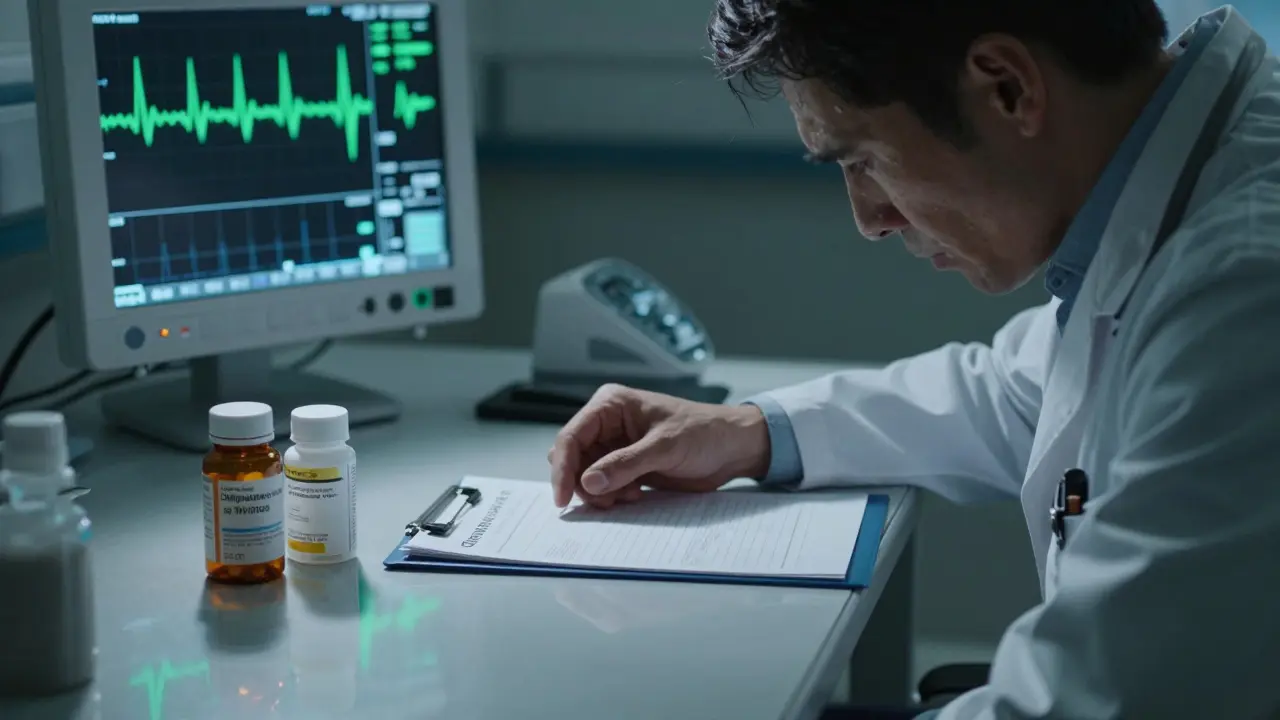
When a pharmacist hands you a pill bottle with a different name than what your doctor wrote, you might wonder: is this really the same drug? For most people, the answer is yes. But for some patients, especially those with epilepsy, cancer, or serious heart conditions, that small difference in name can mean a lot more than just a lower price. Medical societies - the groups that set standards for how doctors practice - have taken clear, sometimes conflicting, positions on when generic drugs can be swapped in for brand-name ones. And those positions aren’t just paperwork. They directly affect what you get at the pharmacy.
Why This Matters More Than You Think
Generic drugs aren’t knockoffs. They’re required by the FDA to contain the exact same active ingredient, dose, and delivery method as their brand-name counterparts. They must also prove they’re absorbed into the body at the same rate and to the same extent. That’s called bioequivalence. The FDA accepts a range of 80% to 125% in absorption rates between generic and brand drugs - meaning a generic can be up to 20% more or less absorbed than the original. For most medications, that’s fine. For others, it’s risky.Take antiseizure drugs. A patient with epilepsy might be stable on one brand of levetiracetam for years. Then, a pharmacy substitution switches them to a generic version. The difference in absorption? Maybe 10%. To the body, that’s enough to trigger a seizure. The American Academy of Neurology (AAN) has been clear since at least 2023: generic substitution for anticonvulsants should not be automatic. Their position isn’t about distrust of generics. It’s about the narrow window between a drug working and failing. A blood concentration drop of 10% could mean the difference between no seizures and emergency room visits.
That’s why 14 states now require prescriber consent before substituting generic versions of drugs with narrow therapeutic indices (NTIs). These include drugs like warfarin, digoxin, levothyroxine, and several antiepileptics. The AAN’s stance has shaped these laws. Neurologists report that 68% of them have seen patients experience complications after switching to a generic antiseizure drug. It’s not a myth. It’s documented in clinic notes.
Where Generics Are Widely Accepted
But not all drugs are created equal. For many common conditions - high blood pressure, high cholesterol, type 2 diabetes - generics are the standard. The American College of Physicians (ACP) supports generic substitution across the board for these conditions. Why? Because the data shows no meaningful difference in outcomes. A 2022 study tracking over 1.2 million patients on generic statins found no increase in heart attacks or strokes compared to those on brand-name versions. The FDA confirms this: 90% of all prescriptions filled in the U.S. are for generics. And they make up only 23% of total drug spending.In oncology, the picture is even more nuanced. The National Comprehensive Cancer Network (NCCN) doesn’t just accept generics - it actively includes off-label uses of generic drugs in its treatment guidelines. For example, a generic version of methotrexate, originally approved for rheumatoid arthritis, is now widely used off-label for certain cancers. The NCCN Compendium is the only resource Medicare uses to decide whether to cover these off-label uses. If a generic drug is listed there, it’s considered safe and effective - even if it wasn’t originally approved for that use. This isn’t an exception. It’s the rule in cancer care.
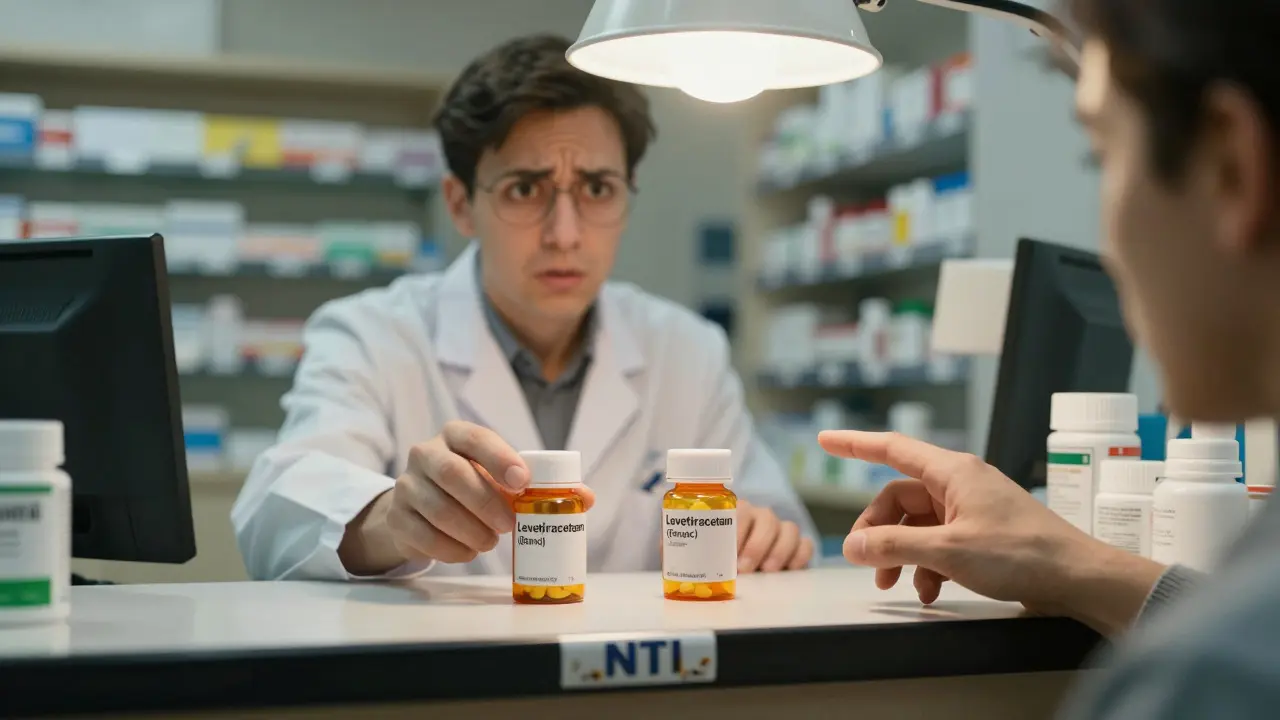
The Naming Game: How Drug Names Influence Safety
You might not realize it, but the name on your pill bottle matters. The American Medical Association’s United States Adopted Names (USAN) Council, established in 1964, decides what generic drugs are called. Their job? Make names clear, distinct, and safe. They avoid prefixes that sound too similar to other drugs. For example, they won’t name a new drug “Zolpidem” if there’s already a “Zolpidem” in use - even if the spelling is slightly different. Why? Because pharmacists and nurses are human. A misread name can lead to a fatal error.That’s why the USAN Council uses stems - standardized endings that tell you the drug class. “-pril” means it’s an ACE inhibitor. “-lol” means it’s a beta blocker. “-mab” means it’s a monoclonal antibody. This system helps doctors and pharmacists quickly identify what a drug does, even if they’ve never seen the brand name before. It’s not just about branding. It’s about preventing mistakes.
The Conflict Between Law and Medicine
Here’s where it gets messy. State laws often don’t match medical society guidelines. In some states, pharmacists can switch generics automatically - even for NTI drugs - unless the doctor writes “dispense as written.” In others, the law requires the prescriber’s permission every time. This creates chaos. A patient in Florida might get switched without a second thought. The same patient, moving to New York, might be stuck on a brand-name drug because the pharmacy won’t substitute without a note.Doctors are caught in the middle. They’re told to save money. But they’re also responsible for patient safety. A 2023 survey of primary care physicians found that 41% had been pressured by insurance companies to switch patients to generics - even for drugs with narrow therapeutic windows. And 37% of those doctors said they refused because they’d seen bad outcomes.
What You Should Do
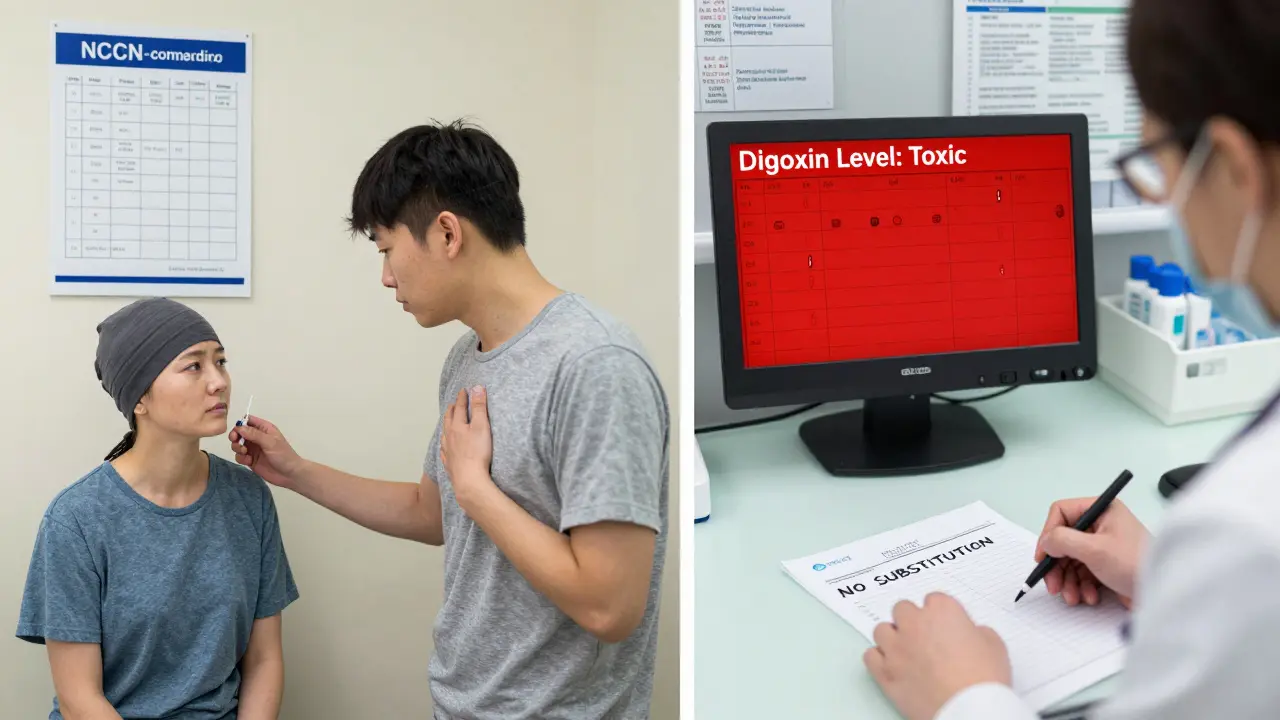
If you’re on a drug with a narrow therapeutic index - like warfarin, levothyroxine, or an antiseizure medication - here’s what to do:- Ask your doctor to write “dispense as written” or “no substitution” on your prescription.
- Check the label every time you pick up your refill. If the name changes, ask why.
- Keep a log: note when you switch drugs and if you notice any changes - mood, energy, symptoms, side effects.
- If you’re on a generic and feel off, don’t assume it’s all in your head. Talk to your doctor. Blood tests can check if your levels are stable.
For most other medications - antibiotics, antihistamines, antidepressants - generics are safe and effective. The FDA’s approval process is rigorous. But for the 10% of drugs where small changes matter, medical societies have drawn a line. And that line isn’t about cost. It’s about survival.
What’s Changing Now
The FDA updates its “Orange Book” - the official list of therapeutically equivalent drugs - every month. In March 2023, they added 17 new generic drugs with an “A” rating, meaning they’re approved for substitution. But they also removed 3 from the list after new data showed inconsistent absorption. Medical societies are starting to align more closely with these updates. The AAN, for example, now references the Orange Book directly in its policy documents.At the same time, specialty societies are pushing for more transparency. The AMA’s USAN Council recently published a public database of all adopted drug names, complete with pronunciation guides and stem explanations. It’s a small step, but it helps doctors and pharmacists communicate better.
The future? More alignment between FDA standards and medical society guidelines - but with clear exceptions for NTI drugs. Economic pressure will keep pushing for generics. But patient safety, backed by real clinical data, will keep those exceptions alive.
Are generic drugs really as good as brand-name drugs?
For most drugs, yes. The FDA requires generics to have the same active ingredient, strength, dosage form, and bioequivalence as the brand. Studies show they work just as well for conditions like high blood pressure, cholesterol, and diabetes. But for drugs with narrow therapeutic indices - like warfarin, levothyroxine, or antiseizure meds - even small differences in absorption can cause problems. That’s why some medical societies, like the American Academy of Neurology, oppose automatic substitution for these.
Why do some doctors refuse to allow generic substitutions?
Doctors who refuse substitution usually treat patients with conditions where tiny changes in drug levels can be dangerous. In epilepsy, a 10% drop in blood concentration might trigger a seizure. In heart failure, a slight change in digoxin levels can cause toxicity or arrhythmia. These aren’t theoretical risks. They’re backed by clinical reports and patient outcomes. Doctors aren’t against generics - they’re against automatic switches for high-risk drugs.
Can I ask my pharmacist not to substitute my medication?
Yes. You can ask for the brand-name drug even if a generic is available. You may have to pay more out of pocket, but you’re within your rights. You can also ask your doctor to write “dispense as written” or “no substitution” on the prescription. This legally prevents the pharmacist from switching it without your provider’s approval.
Do insurance companies force doctors to use generics?
Yes, many do. Insurance plans often have tiered formularies that make generics cheaper for patients - and sometimes require prior authorization for brand-name drugs. Some insurers even penalize doctors who prescribe more expensive brand-name drugs. But doctors aren’t required to follow those rules if they believe it puts a patient at risk. Many push back, especially for NTI drugs.
How do I know if my drug has a narrow therapeutic index?
Common NTI drugs include warfarin, digoxin, levothyroxine, phenytoin, carbamazepine, lithium, cyclosporine, and tacrolimus. If you’re unsure, ask your doctor or pharmacist. You can also check the FDA’s Orange Book - drugs with an “A” rating are considered therapeutically equivalent, but some with “A” ratings are still flagged as NTIs in specialty guidelines. Your medical record should note if your drug is one of these.
Adebayo Muhammad
March 6, 2026 AT 23:47Let’s be brutally honest: the FDA’s 80%-125% bioequivalence window is a statistical farce dressed up as science. It’s not a range-it’s a chasm. You wouldn’t accept a 20% variance in your insulin dose, your anticoagulant, or your seizure medication, yet we treat these like over-the-counter aspirin. This isn’t about cost-cutting. It’s about systemic negligence masked as efficiency. The body doesn’t care about regulatory boxes. It cares about concentration curves, half-lives, and bioavailability. And when those shift? People die. Or worse-they suffer silently, blamed for "non-compliance" while their neurologist stares at a pharmacy log wondering why the seizure frequency spiked.
Meanwhile, the USAN Council’s stems? Noble. Necessary. But too little, too late. We’re still stuck with drugs like "clonazepam" and "clonazepam" (yes, same spelling, different manufacturers) because corporate naming committees prioritize trademark hygiene over clinical clarity. We need a mandatory, publicly accessible bioequivalence heatmap-not just an "A" or "B" rating. We need to know which generics have 105% absorption and which have 82%. Not for marketing. For survival.
Andrew Poulin
March 7, 2026 AT 14:19Generics work for 90% of people. Stop overcomplicating this. If your drug has a narrow window, ask for no substitution. Done. Insurance companies push generics because they save billions. Doctors push back because they care. Patients win either way. Stop turning medical policy into a philosophical debate. Just ask your pharmacist. Read the label. If it changes, speak up. Simple.
Also: the FDA doesn’t approve drugs based on marketing. They approve them based on data. If you’re having issues, it’s not the generic-it’s your body. Get tested. Adjust. Move on.
Weston Potgieter
March 9, 2026 AT 00:17So let me get this straight-you’re telling me a guy in Nebraska gets a different pill than a guy in New Jersey because of state law? And we’re surprised people are confused? This isn’t healthcare. This is a patchwork quilt stitched together by lobbyists, pharmacists, and tired residents who just want to pay less.
And don’t get me started on "dispense as written." That phrase is a Band-Aid on a hemorrhage. It’s like saying "don’t let the car crash" instead of fixing the brakes. Meanwhile, the real victims? The elderly. The uninsured. The ones who can’t afford to argue with their pharmacy. They’re the ones getting switched without knowing. And when they end up in the ER? No one’s问责. No one’s liable. Just another statistic.
Also-why does the FDA even have an Orange Book? It’s not orange. It’s a PDF. And it’s updated monthly. Who even checks this? No one. Not the patient. Not the pharmacist. Not the doctor. It’s a ghost document. A ritual. A placebo for regulation.
Vikas Verma
March 9, 2026 AT 14:23It is imperative to recognize that generic medications are rigorously evaluated under the FDA’s bioequivalence framework. The therapeutic equivalence designation is not arbitrary-it is grounded in pharmacokinetic studies involving hundreds of subjects. For conditions such as hypertension and hyperlipidemia, the evidence is unequivocal: no clinically significant difference exists between brand and generic formulations. The concern for NTI drugs is valid, but must be contextualized within the broader public health benefit of generic access. Over 80% of U.S. prescriptions are generics, and this has contributed to a 30% reduction in overall drug expenditure since 2000. We must not allow anecdotal cases to overshadow systemic progress. However, for patients on antiepileptics or anticoagulants, individualized care protocols remain paramount. Collaboration between prescriber, pharmacist, and patient is non-negotiable.
Sean Callahan
March 11, 2026 AT 14:04i just got switched to a generic for my levetiracetam last month and i swear to god i felt like a zombie for two weeks. like, i couldn’t focus, my hands shook, i forgot my kid’s birthday. i thought i was going crazy. turns out the generic had a different filler-some weird corn starch thing. my neurologist said "oh that’s common" like it was a weather report. i asked for the brand back. paid $180 out of pocket. worth it. why do we even let this happen? we let people die because of a 10% absorption difference? that’s not science. that’s negligence. and now i’m scared to take any new med. what if the next one kills me? i don’t trust anything anymore.
phyllis bourassa
March 12, 2026 AT 05:39Oh my god. I had the exact same thing happen with my levothyroxine. I went from brand to generic and suddenly I was exhausted, gaining weight, crying for no reason. I thought I was depressed. Turns out my TSH shot up to 12. My doctor said "it’s probably just stress." I had to fight for three months to get my brand back. And now? I’m terrified every time I refill. I keep the bottle next to my bed. I check the name. I check the color. I check the number of pills. I’m not paranoid. I’m just surviving.
And why is no one talking about the fact that the FDA allows generics to have different inactive ingredients? That’s where the real problems are. Allergies. GI irritation. Absorption interference. We treat these like candy wrappers. They’re not. They’re chemical variables in a precision system. This isn’t about money. It’s about respect. We’re not just pills. We’re people.
Ferdinand Aton
March 12, 2026 AT 21:29Wait-so you’re saying generics are dangerous but statins are fine? Then why is the generic version of Lipitor the #1 best-selling drug in history? If generics were so risky, why do 90% of people use them? Why don’t we see mass hospitalizations? Because it’s not the drug. It’s the narrative. You’re scared. I get it. But don’t turn a medical exception into a moral panic. Most people are fine. Most generics are fine. Stop scaring yourself-and everyone else.
amber carrillo
March 14, 2026 AT 10:12I’ve been a nurse for 18 years. I’ve seen patients on generics who never had an issue. And I’ve seen patients who had seizures after a switch. I’ve held hands while they recovered. I’ve written incident reports. I’ve cried in the supply closet. This isn’t about politics. It’s not about money. It’s about the quiet moments-when a patient says "I didn’t feel like myself" and you don’t know why.
So yes, let’s use generics where they’re safe. But for NTI drugs? Let’s treat them like surgical tools. Not commodities. Not savings targets. Not checkboxes. They’re lifelines. And we owe our patients more than a spreadsheet.