

GLP-1 agonists like Wegovy and Zepbound can help people lose up to 20% of their body weight, but they come with side effects like nausea and high costs. Learn how they work, who they're for, and what happens when you stop.
Archive: 2025/12

Plantar fasciitis, now called plantar fasciopathy, causes sharp heel pain, especially in the morning. Learn the real causes, what treatments actually work, and how to prevent recurrence with simple, evidence-based steps.
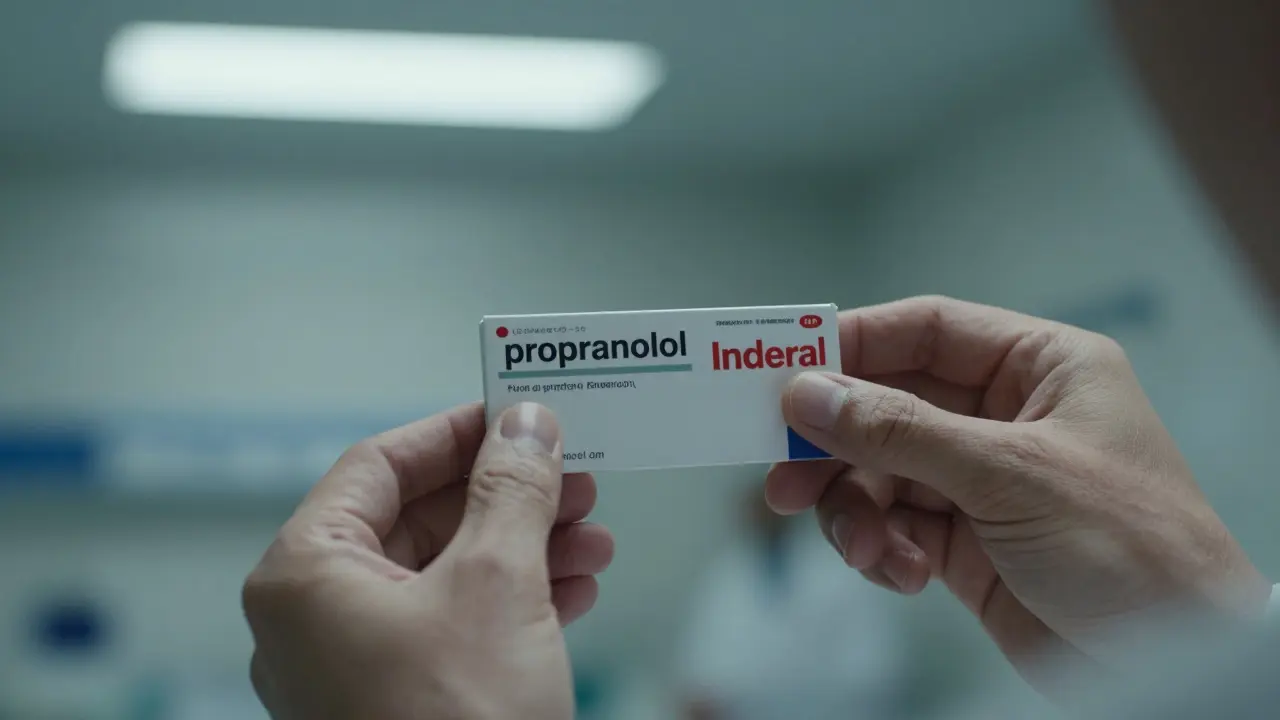
Learn how drugs get their chemical, generic, and brand names-and why this system prevents deadly medication errors. Understand the science behind the names on your prescription.

Eccentric training is the most effective, evidence-based treatment for tendinopathy. Learn how to do it right for Achilles and patellar tendons, why injections often fail, and how to stick with it long enough to heal.
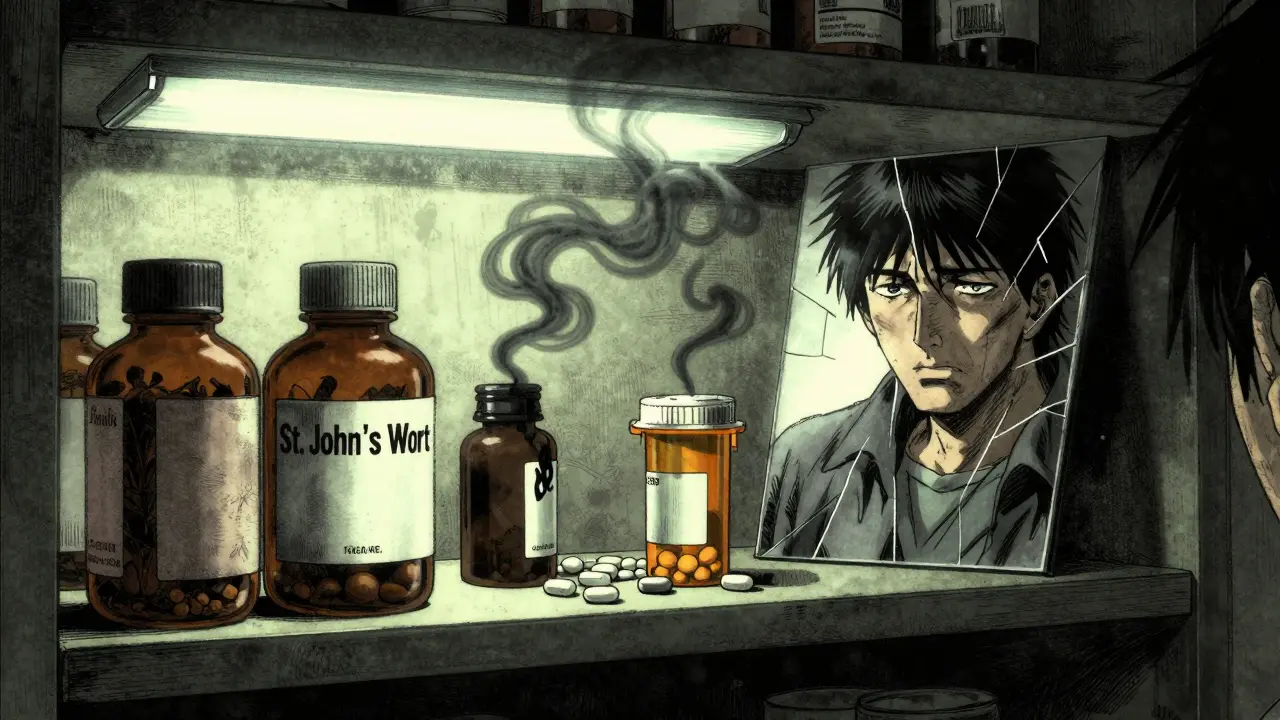
The FDA warns that many herbal supplements contain hidden drugs or interact dangerously with medications. Learn which herbs require medical disclosure and how to protect yourself from risky products.
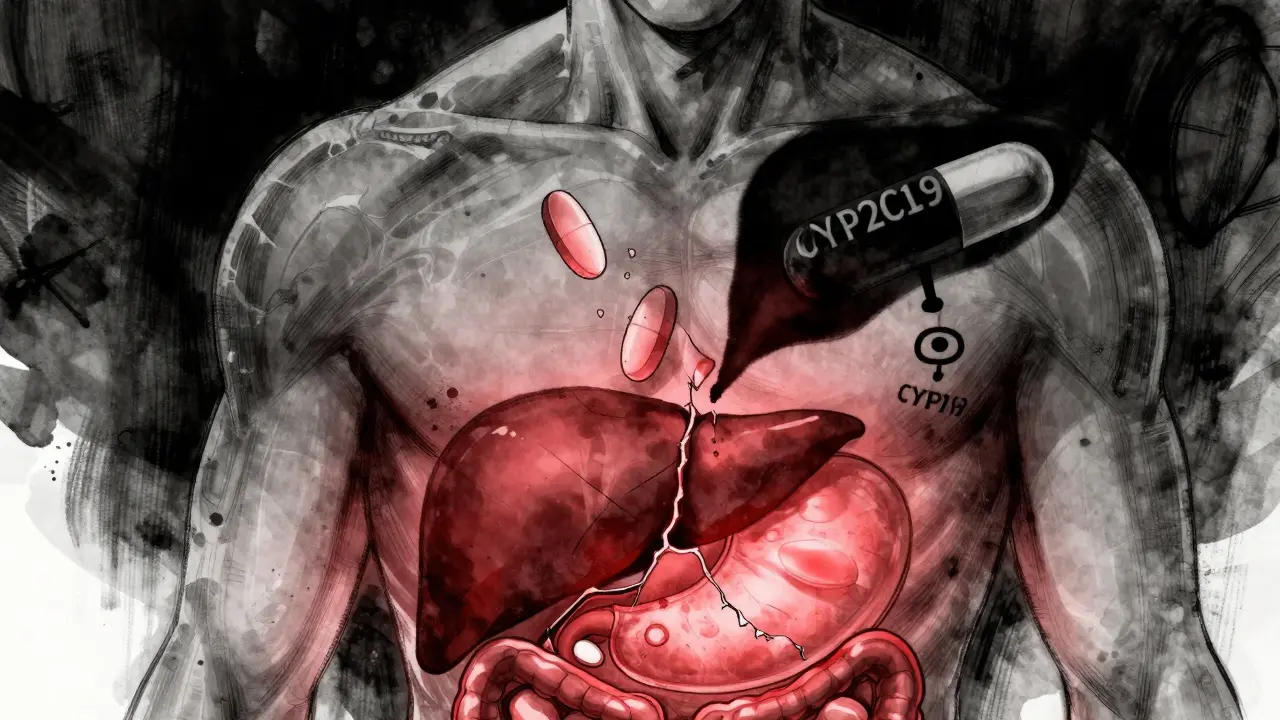
Proton pump inhibitors reduce GI bleeding risk in patients on dual antiplatelet therapy, but not all PPIs are safe. Learn which ones protect your stomach without harming your heart, who needs them, and how long to take them.
Institutional formularies are legally mandated drug lists used by hospitals and clinics to control substitutions, reduce errors, and cut costs. Learn how they work, who decides what's on them, and the real impact on patients and providers.

Genetic variations can make some people far more likely to suffer severe drug side effects. Learn how genes like CYP2D6 and HLA-B*15:02 affect drug metabolism and immune reactions - and what you can do about it.

Melanoma is deadly when caught late, but survival rates soar with early detection. Learn how AI tools and immunotherapy are transforming outcomes - and what you can do today to protect yourself.

Learn how to safely manage pain in 2025 while minimizing opioid risks. Updated CDC, FDA, and CMS guidelines explain when opioids are necessary-and when safer alternatives work better.