
Herbal Supplement & Medication Interaction Checker
The FDA warns that many herbal supplements can interact dangerously with prescription medications. Enter your medications and supplements below to check for potential interactions based on FDA safety warnings.
Many people assume that if a herbal supplement is sold on a store shelf or online, it’s safe. That’s not true. The FDA doesn’t approve herbal products before they hit the market. Instead, it waits until someone gets hurt - then acts. And that’s too late for many.
Every year, thousands of Americans take herbal supplements thinking they’re harmless. Some use them for sleep, energy, weight loss, or anxiety. But what they don’t realize is that these products can interact dangerously with prescription drugs, cause liver damage, or even contain hidden pharmaceuticals. The FDA has issued over 1,800 warning letters since 2002 to companies selling these risky products. And the most dangerous ones? Those that don’t tell you what’s really inside.
What the FDA Actually Regulates (and What It Doesn’t)
The Dietary Supplement Health and Education Act (DSHEA) of 1994 gave herbal supplements a legal loophole. Unlike prescription drugs, which must prove safety and effectiveness before being sold, supplements can be marketed without any clinical testing. The FDA can only step in after a product causes harm or is found to contain illegal ingredients.
That means a company can sell a bottle labeled “Turmeric for Joint Pain” with no proof it works - and no way for you to know if it’s even the right plant. Labels must list ingredients, but they don’t have to prove the dose is correct. One 2013 study in JAMA Internal Medicine found that 15% of tested supplements contained undeclared drugs - like the active ingredient in Viagra or blood pressure meds - hidden in products sold as “natural.”
And here’s the kicker: the FDA has only banned two dietary ingredients since 1994 - ephedra in 2004 and methylsynephrine in 2022. Meanwhile, over 23,000 new supplements enter the U.S. market every year. With just 45 full-time FDA staff assigned to oversee all of them, enforcement is nearly impossible.
Herbal Products That Can Be Dangerous Without Disclosure
Some herbal products are riskier than others. These are the ones the FDA warns about most often - and the ones you must tell your doctor about before taking:
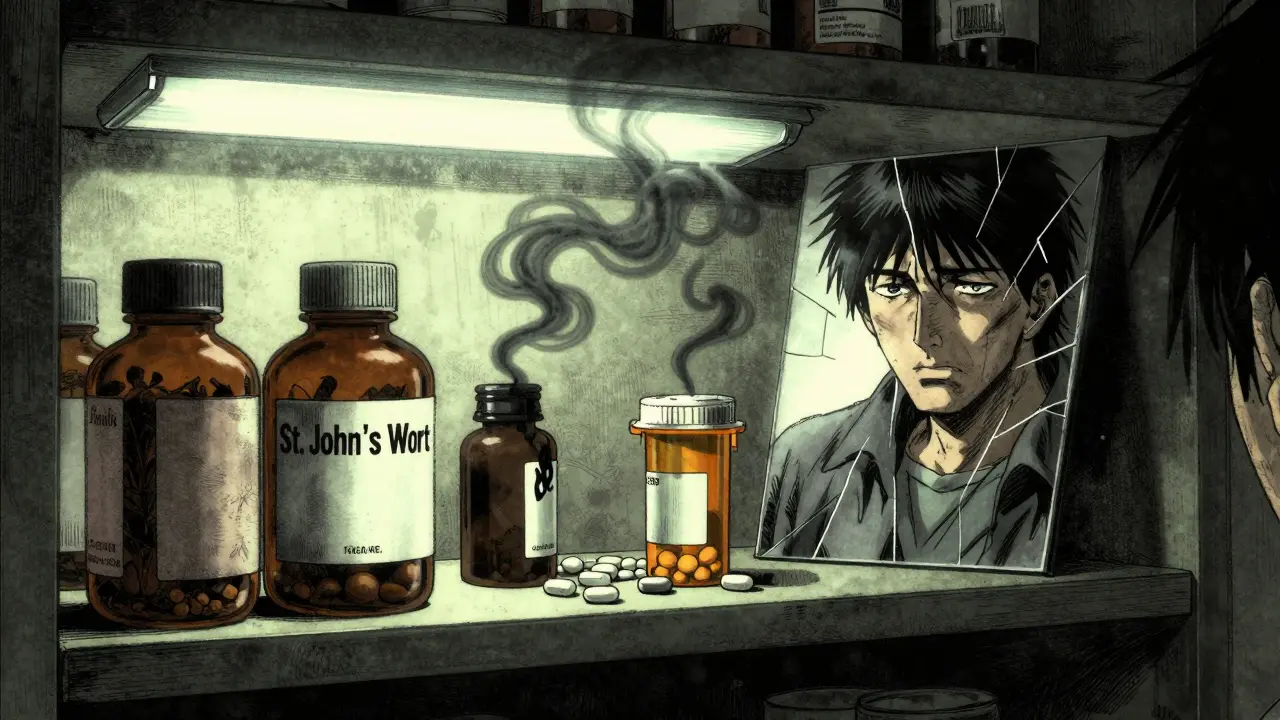
- St. John’s Wort: Used for mild depression, but it can cut the effectiveness of birth control pills, antidepressants, blood thinners, and even some cancer drugs. A 2021 case report showed a patient on warfarin suffered life-threatening bleeding after starting St. John’s Wort without telling their doctor.
- Ginkgo Biloba: Marketed for memory and circulation, but it thins the blood. When taken with aspirin, ibuprofen, or warfarin, it increases bleeding risk during surgery or after injury.
- Kava: Promoted for anxiety, but linked to severe liver damage. The FDA has issued multiple warnings since 2002. People who took kava for more than a few months reported jaundice, nausea, and liver failure.
- Green Tea Extract: Often sold for weight loss, but concentrated forms have caused acute liver injury. Over 50 cases of liver damage tied to green tea extract were reported to the FDA between 2010 and 2020.
- Black Cohosh: Used for menopause symptoms, but has been linked to liver toxicity. The FDA received over 30 reports of liver damage linked to this herb since 2000.
- Yohimbe: Marketed for sexual performance, but contains yohimbine - a stimulant that can raise blood pressure, cause heart palpitations, and trigger anxiety or panic attacks.
These aren’t rare cases. A 2018 study by Dr. Pieter Cohen at Harvard found 776 dietary supplements contained undeclared pharmaceuticals. Over 40% had more than one hidden drug. That’s not a mistake - that’s a pattern.
Why Doctors Need to Know What You’re Taking
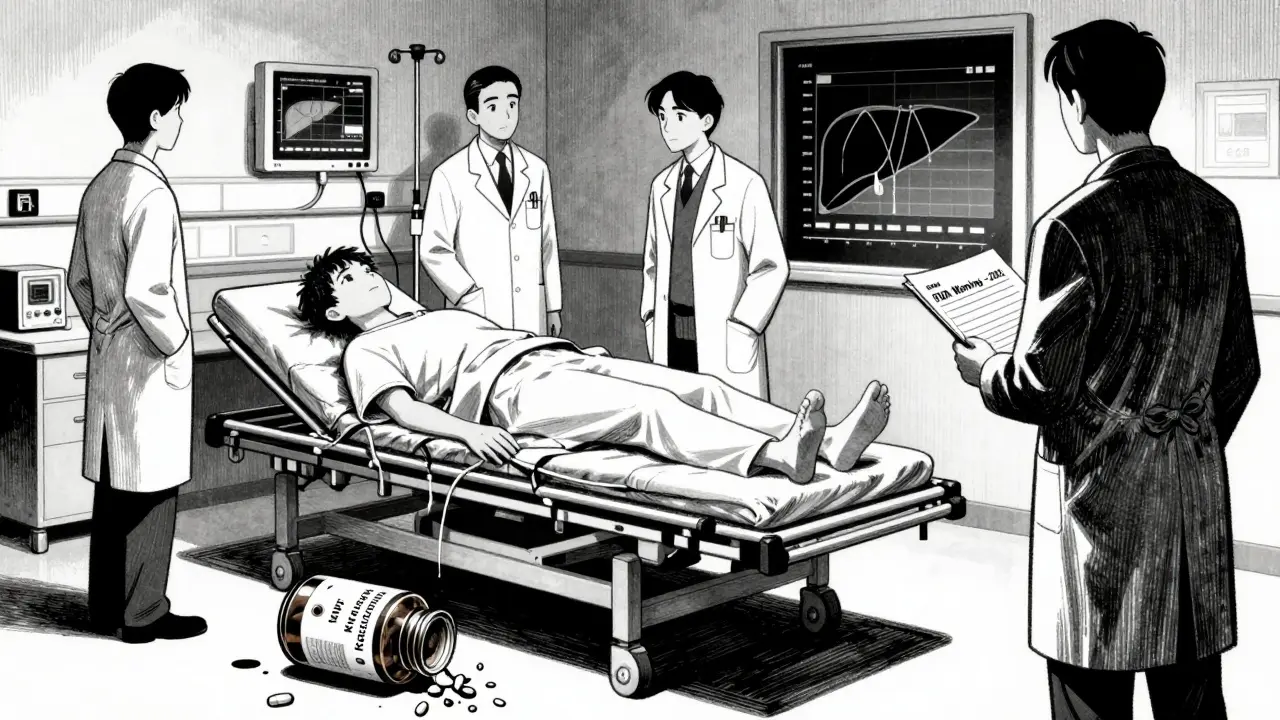
Most patients don’t tell their doctors about supplements. A 2022 survey of physicians on the Sermo network found 68% of patients never mention herbal products during visits. Why? Many think supplements are “natural,” so they’re harmless. Others fear their doctor will judge them. But the consequences are real.
Imagine someone on blood pressure medication starts taking hawthorn berry, thinking it helps their heart. Hawthorn can lower blood pressure - but combined with their prescription, it can drop too low. The result? Dizziness, fainting, falls, even heart failure.
Or someone with diabetes takes bitter melon extract, believing it “balances sugar.” It might lower glucose - but if they’re already on metformin, it could cause dangerous hypoglycemia. Emergency rooms see this all the time.
Doctors need to know everything you take - vitamins, teas, powders, tinctures. Even if you think it’s “just a little.”
How to Spot a Dangerous Supplement
Not all supplements are risky - but you need to know how to tell the difference. Here’s what to look for:
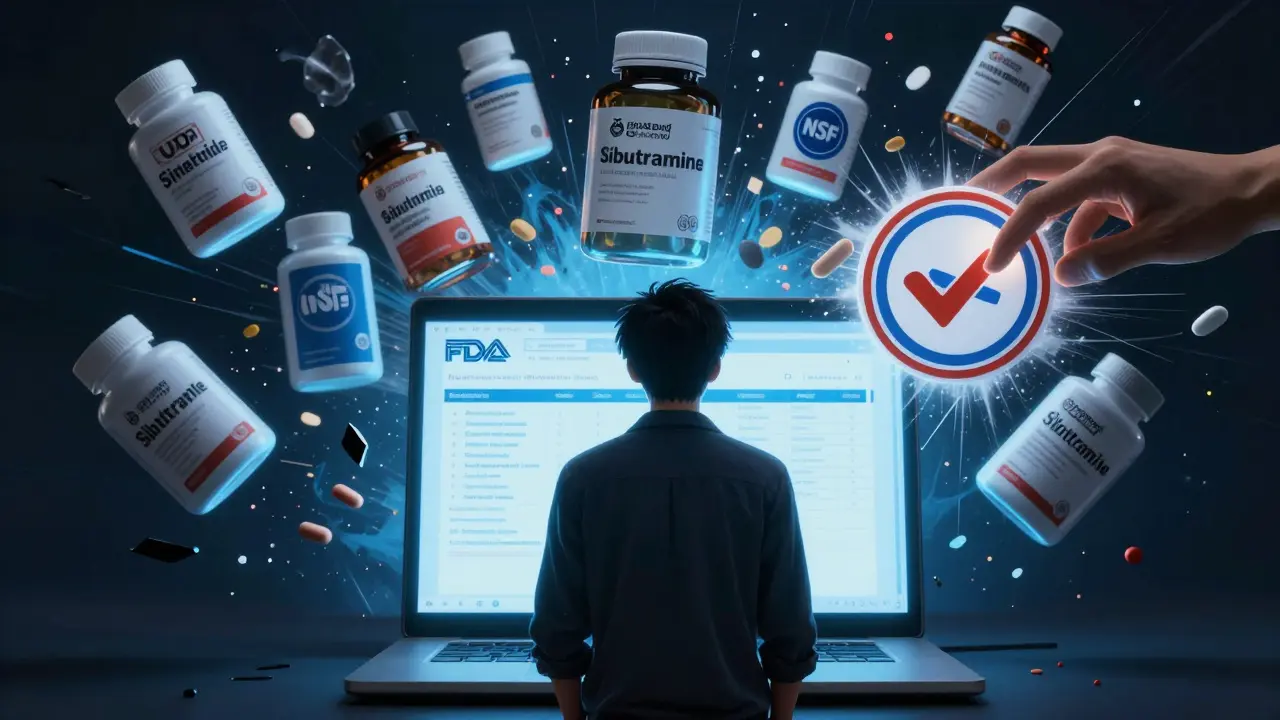
- Check for third-party verification: Look for the USP Verified Mark, NSF Certified for Sport, or ConsumerLab.com seal. These organizations test products independently for what’s on the label and whether it’s contaminated. Products with these seals are 94% accurate - compared to just 67% for unverified ones.
- Read the label carefully: Ingredients must be listed in order of amount. Botanicals should have Latin names (e.g., Hypericum perforatum for St. John’s Wort). If it just says “herbal blend,” walk away.
- Avoid miracle claims: If it says “cures cancer,” “burns fat in 7 days,” or “boosts testosterone like Viagra,” it’s fake. The FDA bans these claims - but they’re everywhere online.
- Search the FDA’s warning database: Go to the FDA’s website and look up the product name or company. If it’s been flagged, you’ll see the warning letter. It’s free and public.
- Watch for unfamiliar ingredients: If a label lists “proprietary blend” or ingredients you can’t find in a medical database, it’s a red flag. Some products hide drugs under made-up names like “Xanthin-9” or “African Mango Extract” - which are just disguised stimulants.
What You Can Do Right Now
You don’t need to stop taking supplements. But you do need to take control. Here’s a simple plan:
- Make a list: Write down every supplement you take - including brand, dose, and why you take it.
- Ask your doctor: At your next visit, say: “I’m taking these supplements. Can you check if they’re safe with my meds?” Don’t wait for them to ask.
- Use the FDA’s Safety Reporting Portal: If you have a bad reaction, report it. Only 12% of people complete the full form - but your report could help prevent someone else’s hospitalization.
- Download the NCCIH app: The National Center for Complementary and Integrative Health offers a free app with 1,200+ evidence-based fact sheets on herbs and supplements. It’s updated regularly and free of ads.
- Choose verified products: Pay a little more for USP or NSF certified supplements. It’s cheaper than a hospital bill.
The supplement industry is worth over $50 billion. Companies make billions selling products with no proof they work - and no guarantee they’re safe. You can’t rely on regulators to protect you. You have to protect yourself.
What’s Changing? The Future of Supplement Regulation
The current system is broken. In 2023, Congress introduced the Dietary Supplement Listing Act, which would force companies to register products with the FDA before selling them. That’s a big step. Right now, companies don’t even have to tell the FDA what they’re selling.
The FDA’s 2023-2027 plan aims to reduce adulterated products in high-risk categories - weight loss, sexual enhancement, and bodybuilding - by 25% in five years. But with only 45 staff members, progress will be slow.
Experts predict that by 2025, 15% of supplements will carry third-party verification seals - up from just 5% in 2020. That’s good news. But it still means 85% won’t be tested.
Until the rules change, the responsibility falls on you.
Do herbal supplements need FDA approval before being sold?
No. Under the Dietary Supplement Health and Education Act (DSHEA), herbal supplements don’t need FDA approval before being sold. The FDA only steps in after a product is on the market and found to be unsafe, contaminated, or making false claims. Manufacturers are not required to prove safety or effectiveness before selling.
Which herbal supplements are most likely to interact with medications?
St. John’s Wort, Ginkgo Biloba, Kava, and Black Cohosh are among the most common. St. John’s Wort can reduce the effectiveness of birth control, antidepressants, and blood thinners. Ginkgo increases bleeding risk when taken with aspirin or warfarin. Kava and Black Cohosh have been linked to liver damage, especially when combined with other liver-stressing drugs. Always check interactions with your pharmacist or doctor.
Can herbal supplements contain hidden drugs?
Yes. Studies show that 15% of tested supplements contain undeclared pharmaceuticals - like sildenafil (Viagra), sibutramine (a banned weight-loss drug), or steroids. These are often added to products marketed for weight loss, sexual enhancement, or bodybuilding. They’re hidden because they’re illegal in supplements, but they’re powerful and cheap to add.
How can I tell if a supplement is safe?
Look for third-party verification seals like USP, NSF, or ConsumerLab.com. These mean the product was independently tested for ingredients, purity, and potency. Avoid products with vague labels, “proprietary blends,” or claims like “cures cancer.” Search the FDA’s warning letter database for the brand name. If it’s been flagged, don’t buy it.
Why don’t more people tell their doctors about supplements?
Many believe supplements are harmless because they’re “natural.” Others fear being judged or think their doctor won’t care. But a 2022 survey found 68% of doctors encounter patients who don’t disclose supplement use - leading to dangerous drug interactions. Doctors need full information to keep you safe.
What should I do if I have a bad reaction to a supplement?
Stop taking it immediately and contact your doctor. Then report the reaction to the FDA’s Safety Reporting Portal. Even if you’re not sure it was the supplement, report it. The FDA uses these reports to identify dangerous products. Only 12% of people complete the full report - but your report could save someone else’s life.
Supplements aren’t the enemy. But ignorance is. If you’re taking something herbal - especially if you’re on prescription meds - don’t assume it’s safe. Ask. Check. Verify. Your health depends on it.