
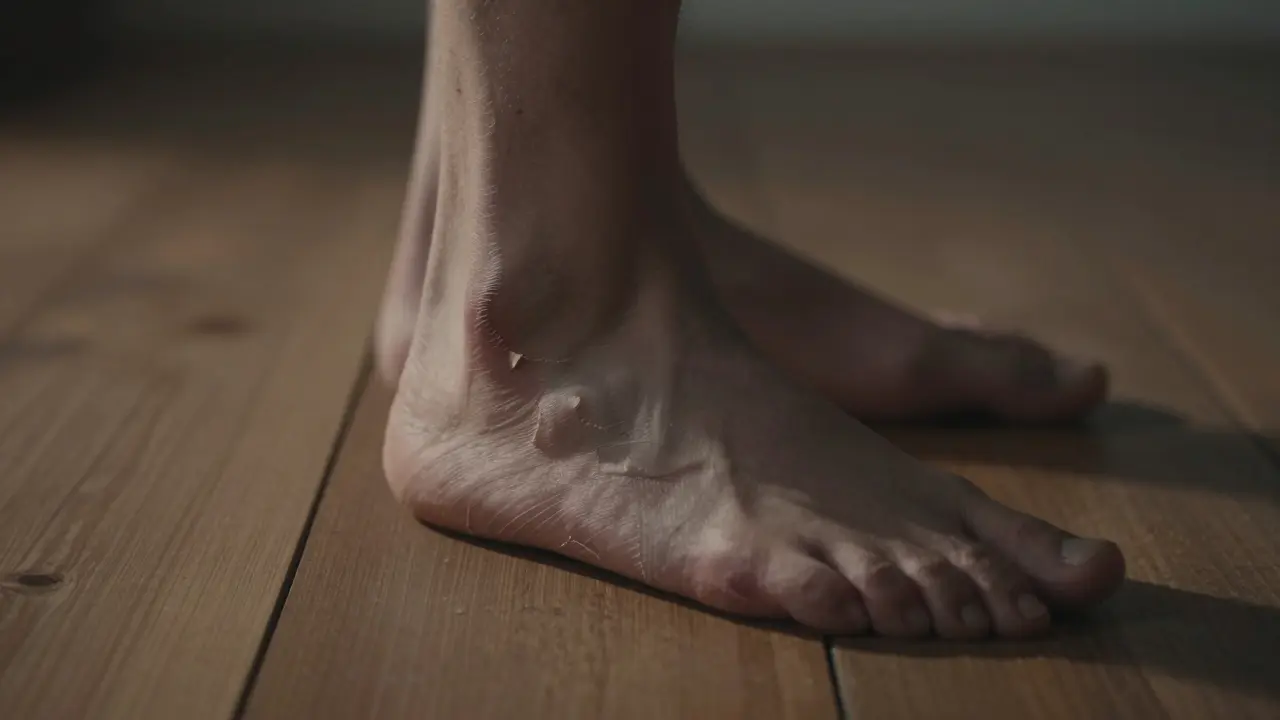
Heel pain that hits hardest when you first step out of bed isn't just annoying-it’s a signal. For about 1 in 10 adults, this pain is plantar fasciitis, though the more accurate term today is plantar fasciopathy. It’s not an inflammation like the name suggests. It’s a breakdown of the tissue along the bottom of your foot, where the thick band called the plantar fascia connects your heel to your toes. This tissue supports your arch and absorbs shock with every step. When it’s overloaded, it starts to fray and degenerate, not swell up.
Why Your Heel Hurts in the Morning
If you’ve ever winced during those first five steps after waking up, you’re not alone. Around 76% of people with this condition report the worst pain right then. Why? Overnight, the plantar fascia tightens and shortens. When you stand up, it suddenly stretches under weight-and that’s when the damaged fibers tear again. The pain usually eases after walking for 5 to 10 minutes, only to come back later in the day after standing too long or after a workout.
The pain isn’t just random. It’s focused right under your heel, about 2 to 3 centimeters forward from the inner edge. Press there, and it’ll hurt. Try pulling your toes up toward your shin while sitting, and if that triggers sharp pain, it’s another classic sign. Doctors look for these three things: morning pain, localized heel tenderness, and pain when stretching your toes upward. You don’t need an X-ray to confirm it. In fact, 80% of people with this condition have no heel spurs visible on X-rays, and 15% of people with no pain at all show spurs. So don’t get misled by old assumptions.
Who’s Most at Risk?
This isn’t just a runner’s problem. Yes, runners who log more than 10 miles a week are at higher risk, but so are people who sit most of the day. The biggest risk factor? Being overweight. A BMI over 27 increases your chance of developing plantar fasciopathy by more than four times. Every single point you drop on your BMI reduces your pain by about 5.3% within six months. That’s not just a suggestion-it’s one of the most powerful tools you have.
Other major risk factors include having flat feet, limited ankle flexibility (less than 10 degrees of dorsiflexion), or jobs that require standing more than four hours a day. Teachers, factory workers, and nurses have some of the highest rates. Age matters too. It peaks between 40 and 60, and becomes less common under 40. But it’s not just about age or weight. Tight calves, worn-out shoes, or suddenly increasing activity levels can trigger it too.
What It’s Not: Ruling Out Other Causes
Not every heel pain is plantar fasciopathy. Some people have nerve issues like Baxter’s neuritis, where a nerve gets pinched near the heel. That pain feels more like a burning or tingling, often radiating into the arch. Tarsal tunnel syndrome can cause similar symptoms but usually affects the whole sole. If your pain doesn’t fit the classic pattern-sharp morning pain that improves with movement-it might be something else. A good physical exam by a physiotherapist or podiatrist can tell the difference without needing scans right away.
The Best Treatments: What Actually Works
Here’s the good news: 80 to 90% of people get better within 6 to 12 months using conservative methods. You don’t need surgery. You don’t even need expensive gadgets. The most effective treatment is simple, free, and backed by strong evidence: plantar fascia-specific stretching.
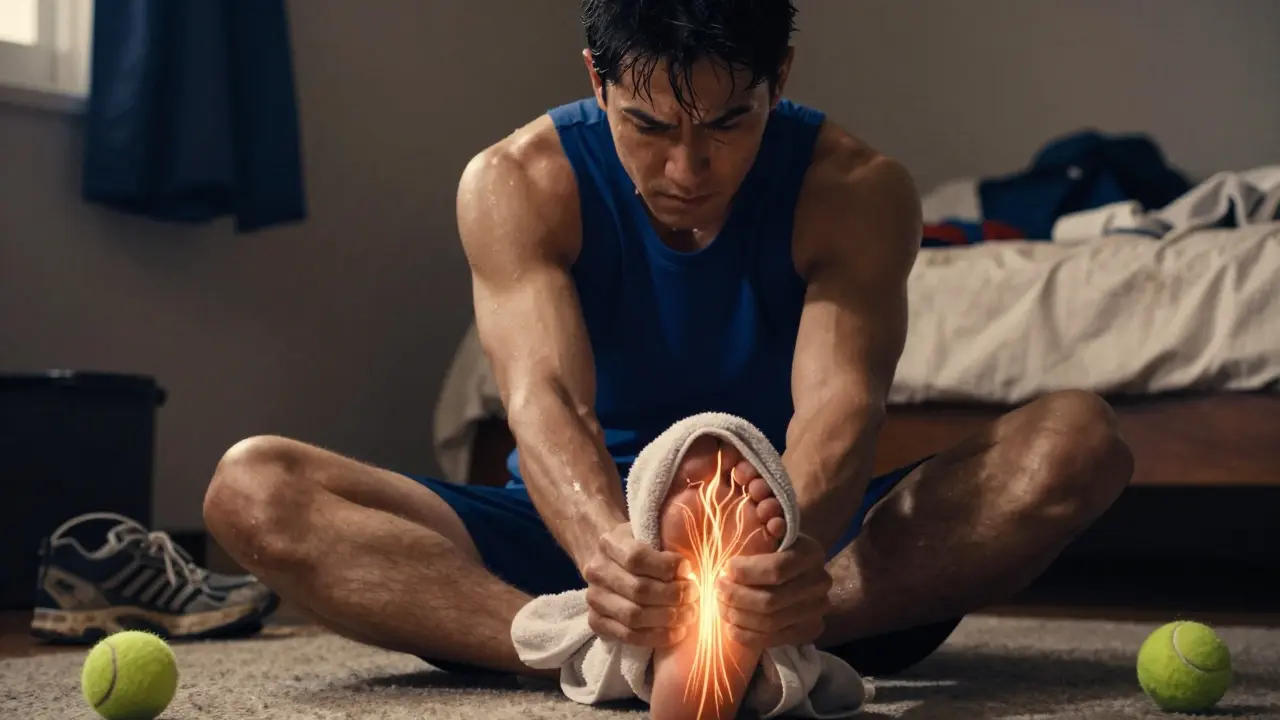
Forget just stretching your calves. That helps, but it’s not enough. The key is stretching the plantar fascia directly. Here’s how: Sit down, cross one leg over the other, and grab a towel. Loop it around the ball of your foot. Gently pull your toes back toward your shin until you feel a stretch along the bottom of your foot. Hold for 10 seconds. Do 10 repetitions, three times a day. Studies show this method reduces pain 37% more than calf stretches alone at four weeks.
Consistency matters more than intensity. You need to do this daily for at least six to eight weeks. About 92% adherence is needed for the best results. If you skip days, progress stalls. One Reddit user, u/RunningHealer, shared that doing this stretch plus rolling a tennis ball under the foot three times a day cut his morning pain from 8/10 to 2/10 in just six weeks.
Supportive Tools: Orthotics, Night Splints, and Footwear
Stretching works best when combined with other supports. Custom orthotics aren’t always necessary. Prefabricated ones help, but custom ones offer a 16% greater pain reduction at 12 weeks. Look for shoes with good arch support and a heel-to-toe drop of 10 to 15 millimeters. Brands like Brooks Adrenaline GTS and Hoka Clifton consistently rank high in patient satisfaction.
Night splints hold your foot in a stretched position while you sleep. They work-72% of users see improvement in six weeks-but 44% quit because they’re uncomfortable. If you can tolerate them, wear them for 4 to 5 hours nightly. Don’t expect miracles overnight, but over time, they prevent the fascia from tightening up.
What Doesn’t Work (or Can Hurt)
Corticosteroid injections are often offered early, but they’re not the answer. They might give you a few weeks of relief, but they carry an 18% risk of rupturing the plantar fascia after multiple shots. They also cause fat pad atrophy-meaning your heel loses its natural cushion. About 30 to 40% of patients get these injections too soon, despite guidelines saying they should be reserved for cases that don’t respond to stretching after three months.
Shockwave therapy works for some. It has a 70 to 80% success rate after three to four sessions, but it costs $2,500 to $3,500 out of pocket, and insurance rarely covers it. PRP (platelet-rich plasma) injections show promise with 65% pain reduction at six months, but they’re expensive ($800-$1,200 per shot) and not widely covered. Ultrasound-guided cryoplasty is experimental and not available in most clinics.
How Long Until You Feel Better?
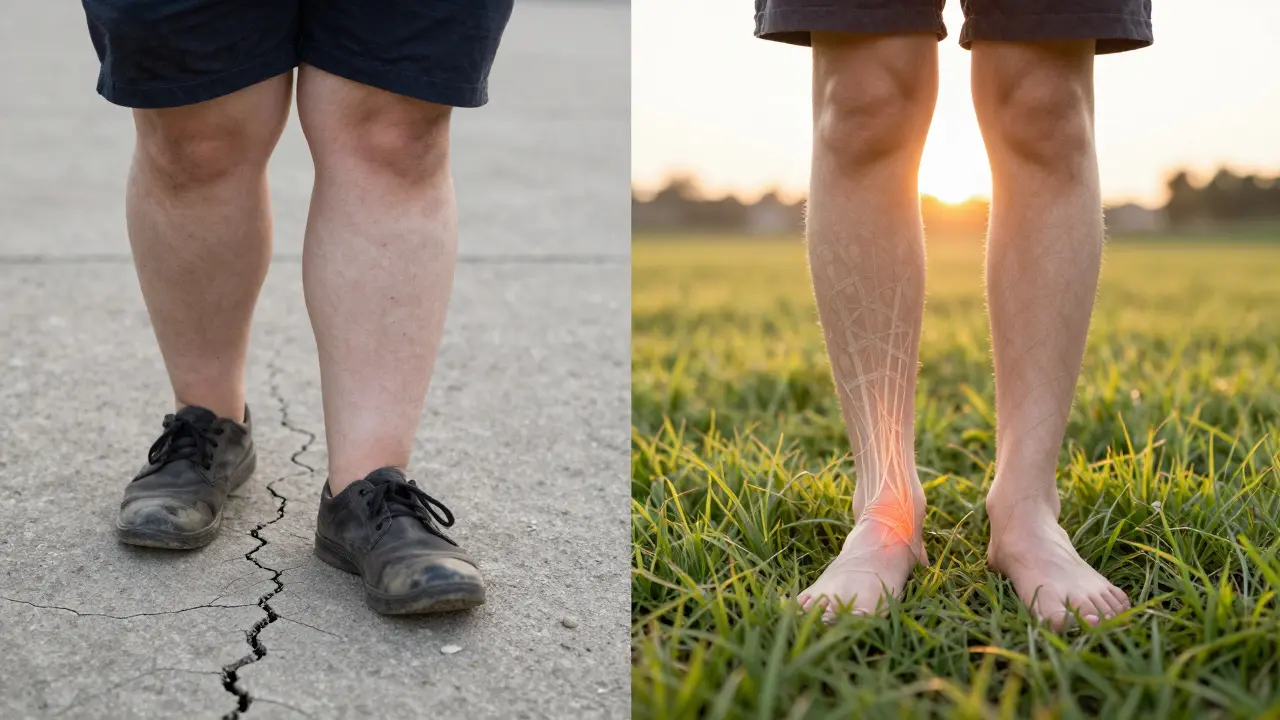
Most people start noticing improvement in 4 to 8 weeks with consistent stretching. Full recovery usually takes 6 to 12 months. Around 90% of cases resolve without surgery. But here’s the catch: 25 to 30% of people get it back within a year. Why? They stop stretching. They gain weight. They go back to running too hard too soon. The condition doesn’t vanish just because the pain fades. You need to keep up with the habits that helped you heal.
Real-Life Tips to Stay Pain-Free
- Start your day with stretches before putting weight on your feet.
- Roll a frozen water bottle or tennis ball under your foot for 5 minutes after work.
- Replace shoes every 500 to 800 kilometers-worn-out soles lose support.
- If you’re overweight, focus on sustainable weight loss. Even 5% of body weight lost makes a measurable difference.
- Avoid walking barefoot on hard floors, especially first thing in the morning.
- Don’t push through sharp pain during stretches. Mild tension is okay. Shooting pain means stop.
Doctors often miss the diagnosis because they look for heel spurs or assume it’s just ‘aging.’ But if your pain matches the pattern-morning pain, localized heel tenderness, improves with movement-it’s likely plantar fasciopathy. And the solution isn’t a pill or a shot. It’s daily, deliberate movement.
Is plantar fasciitis the same as heel spurs?
No. Heel spurs are bony growths on the heel bone, often seen on X-rays. But 80% of people with plantar fasciopathy have no spurs, and 15% of people with spurs feel no pain at all. The pain comes from the damaged tissue in the plantar fascia, not the spur. Treating the spur won’t fix the problem.
Can I still run with plantar fasciitis?
You can, but only if you modify your routine. Reduce mileage, avoid hills and hard surfaces, and never run through sharp pain. Focus on stretching before and after, wear supportive shoes, and consider cross-training like swimming or cycling. Returning too soon without addressing the root causes leads to recurrence in 72% of cases.
Do I need an MRI or ultrasound to diagnose it?
Usually not. A skilled physiotherapist or podiatrist can diagnose it based on your symptoms and a physical exam. Ultrasound can confirm thickening of the plantar fascia (over 4 mm), but it’s only needed if the diagnosis is unclear or if you’re not improving after 3 months of treatment. MRIs are rarely needed and add cost without changing treatment.
How long should I do the stretches each day?
Aim for 10 repetitions of the towel stretch, three times a day-morning, afternoon, and evening. Each stretch should last 10 seconds. That’s only 5 minutes total per day. Studies show you need at least 92% adherence to see results. Skipping days slows recovery. Make it part of your routine, like brushing your teeth.
Are orthotics or arch supports worth buying?
Prefabricated arch supports can help reduce pain by 52%, and custom ones by 68%. You don’t need expensive custom ones right away. Try over-the-counter options first-look for ones with firm arch support and a slight heel cup. If they help, stick with them. If not, consider custom after 6 weeks of stretching. Don’t buy expensive insoles without trying the basics first.
Can losing weight really help my heel pain?
Yes. Every 1-point drop in your BMI reduces pain by about 5.3% within six months. For someone with a BMI of 32, losing 5 kg could mean a 25% reduction in pain. Weight loss reduces pressure on the plantar fascia and improves overall biomechanics. It’s not a quick fix, but it’s one of the most effective long-term strategies.
What if nothing works after 6 months?
If you’ve done daily stretching, worn supportive shoes, managed your weight, and tried night splints for 6 months with no improvement, it’s time to see a specialist. Radial shockwave therapy has a 78% success rate at 12 weeks and is now recommended as a second-line treatment. Surgery is rarely needed-only 5% of cases require it, and outcomes vary. Keep trying conservative methods first; most people heal without invasive options.
Final Thought: It’s a Lifestyle Fix, Not a Quick Fix
Plantar fasciopathy doesn’t go away with a single treatment. It responds to consistent, daily habits: stretching, proper footwear, weight management, and avoiding overuse. It’s not glamorous. There’s no magic cream or injection that cures it overnight. But the good news is, you already have everything you need to fix it-time, patience, and a towel. Start today. Don’t wait for the pain to get worse. The longer you delay, the harder it becomes to break the cycle.
Martin Viau
December 31, 2025 AT 02:35Let’s be real-this whole ‘plantar fasciopathy’ rebrand is just medical gaslighting. They renamed it so they can charge you for ‘specialized’ rehab instead of admitting they’ve been misdiagnosing this for decades. I’ve had it for 4 years. Cortisone shots? Waste of cash. Stretching? Sure, if you’ve got 8 hours a day to sit around. I’m a 6’2”, 220-lb software engineer who stands 10 hours at a desk-my fascia’s not ‘degenerating,’ it’s been surgically assaulted by corporate ergonomics. Stop telling me to roll a tennis ball. Buy me a standing desk that doesn’t cost a mortgage payment.
Robb Rice
January 1, 2026 AT 14:44I appreciate the detailed breakdown, though I must point out a minor grammatical inconsistency in the section on shockwave therapy: 'It has a 70 to 80% success rate after three to four sessions'-should be '70–80%' for proper typographical form. That aside, this is one of the most clinically accurate summaries I’ve seen on Reddit. The emphasis on adherence over intensity is critical. I’ve seen too many patients quit after two weeks because they expected overnight results. Consistency, not intensity, is the cornerstone of recovery. Also, thank you for debunking the heel spur myth-still pervasive in primary care.
Harriet Hollingsworth
January 2, 2026 AT 23:45Oh my GOD. You actually wrote a whole article and didn’t say ‘just lose weight’? Are you kidding me? This is the first time in my entire life someone didn’t blame my butt for my heel pain. I’m crying. I’ve been told to ‘walk more’ and ‘wear better shoes’ and ‘try yoga’-but NO ONE ever said ‘your fascia is degenerating from being overweight’ and then gave me a real plan. I’m 38, 5’3”, 210 lbs, and I’ve been in pain since 2020. I’m doing the towel stretch tonight. I’m buying a frozen water bottle. I’m not waiting. I’m done.
Joy Nickles
January 3, 2026 AT 23:33Okay but why is everyone ignoring the fact that this is a systemic failure of American healthcare? You need to do 92% adherence? That’s not a treatment-that’s a cult. Who has time to stretch 3x/day? You work 9–5, have kids, your partner doesn’t get it, and you’re too exhausted to care. And then you get told to buy $120 orthotics? Bro. The real fix is universal healthcare that covers physical therapy. Not a towel. Not a tennis ball. Not your ‘discipline.’ You’re being gaslit by wellness influencers and podiatrists who profit off your suffering. I’ve been there. I’m not buying it anymore.
Emma Hooper
January 4, 2026 AT 16:09Y’all are overcomplicating this like it’s rocket science. It’s your foot. It’s sore. You stand too much. You’re tight. You’re heavy. You’re lazy. And you want a magic bullet. Nah. The towel stretch? That’s it. That’s the whole damn thing. I did it for 6 weeks, didn’t even change my shoes, lost 8 lbs, and now I can walk to the fridge without screaming. No magic. No gadgets. Just you. And a towel. And the guts to do it when you’re tired. You’re not broken. You’re just outta practice. Get back in the game.
Deepika D
January 6, 2026 AT 05:15As a physiotherapist from Delhi, I’ve treated over 500 cases of plantar fasciopathy in the last 5 years-and let me tell you, the science here is spot-on. But here’s what’s missing: cultural context. In India, people walk barefoot on hot cement, wear flip-flops for 12 hours, and sit cross-legged for hours. The pain is worse, but the will to heal? Stronger. I tell my patients: ‘Your foot is your foundation. If the foundation cracks, the whole house shakes.’ The stretch isn’t a chore-it’s your daily prayer to your body. Do it before you check your phone. Do it before you drink your chai. Do it like your life depends on it-because it does. You’re not alone. We’ve all been there. Keep going.
Bennett Ryynanen
January 6, 2026 AT 21:36Bro. I was skeptical. I thought this was another ‘do yoga and drink lemon water’ scam. But I tried the towel thing. Did it 3x a day for 6 weeks. Didn’t change my shoes. Didn’t buy anything. Just sat on my couch, stretched, and didn’t skip. My morning pain? From 9/10 to 1/10. I’m not even a runner. I’m a 42-year-old dad who walks his dog and carries groceries. That’s it. This isn’t about being fit. It’s about being consistent. If I can do it, you can. No excuses. Just do it. Now. Before you scroll away.
Chandreson Chandreas
January 8, 2026 AT 05:04Peace, fam 🙏. This post hit me right in the soul. I’ve been walking like a penguin since 2021. Thought I needed surgery. Turns out I just needed a towel and 5 minutes a day. I started last Tuesday. Today, I walked 2 miles without wincing. No magic. No miracle. Just me showing up. And yeah-I lost 6 lbs too. Not because I was trying. Just because I moved more. You don’t need a clinic. You need a moment. A quiet moment. A towel. And the courage to try. You got this. 💪👣