

Online reviews shape how patients view generic medications - even when science says they’re identical to brand-name drugs. Learn how patient experiences, misinformation, and communication gaps affect trust, adherence, and health outcomes.
Medication Adherence: Why Taking Pills Right Matters and How to Get It Right
When you’re told to take a medicine every day, medication adherence, the practice of taking drugs exactly as prescribed, including the right dose, at the right time, and for the full duration. Also known as drug compliance, it’s not just a habit—it’s a life-or-death factor in managing chronic conditions like high blood pressure, diabetes, or depression. Missing even a few doses can undo weeks of progress, send you back to the hospital, or make your treatment stop working entirely.
Why does this happen? It’s rarely about being lazy. People forget. They get overwhelmed by multiple pills. Side effects scare them off. Some can’t afford their meds. Others don’t feel sick, so they think they don’t need the drug anymore. And here’s the thing: pharmacy support, the role pharmacists play in tracking and guiding patients through their drug regimens is one of the most underused tools in healthcare. Pharmacists aren’t just the people who hand out pills—they’re your personal medication coaches. They spot interactions, simplify dosing schedules, and even call you if you haven’t picked up your refill in weeks.
treatment success, the outcome of sticking to a drug plan over time, leading to improved health and fewer complications doesn’t happen by accident. It’s built on systems: pill organizers, phone reminders, blister packs, and clear instructions. It’s also built on trust. If you don’t understand why you’re taking something, you’re less likely to take it. That’s why posts here cover everything from how to safely transfer prescriptions without mixing up labels, to why generic drugs are just as effective as brand names, to how insurance formularies can make or break your ability to stay on track.
You’ll find real advice here—not theory. Like how a dosing syringe can prevent a deadly mistake when giving medicine to a child. Or how authorized generics give you the exact same drug as the brand, but at a lower price. Or how MTM services (Medication Therapy Management) let pharmacists sit down with you, review every pill you take, and cut out the ones you don’t need. These aren’t niche topics—they’re daily realities for millions.
And it’s not just about remembering to take your pills. It’s about knowing what happens when you don’t. Like how skipping your blood pressure med can quietly raise your risk of stroke. Or how mixing methadone with other drugs can trigger a deadly heart rhythm. Or how taking ranitidine too long might lead to constipation so bad you need a whole new treatment plan. These aren’t hypotheticals—they’re documented cases, and they show why medication adherence isn’t a suggestion. It’s the foundation of your health.
What you’ll find below isn’t a list of random articles. It’s a practical toolkit built by people who see the gaps every day—the pharmacist who catches a dangerous interaction, the patient who finally gets their insulin right after years of struggle, the caregiver who learns how to read a label properly. These posts give you the tools to take control, avoid mistakes, and actually stick with your treatment. No fluff. No jargon. Just what works.

Medication errors cause over 1.5 million ER visits and 125,000 deaths annually in the U.S. This is not a minor issue-it's a public health crisis. Learn why fixing medication safety saves lives and money.
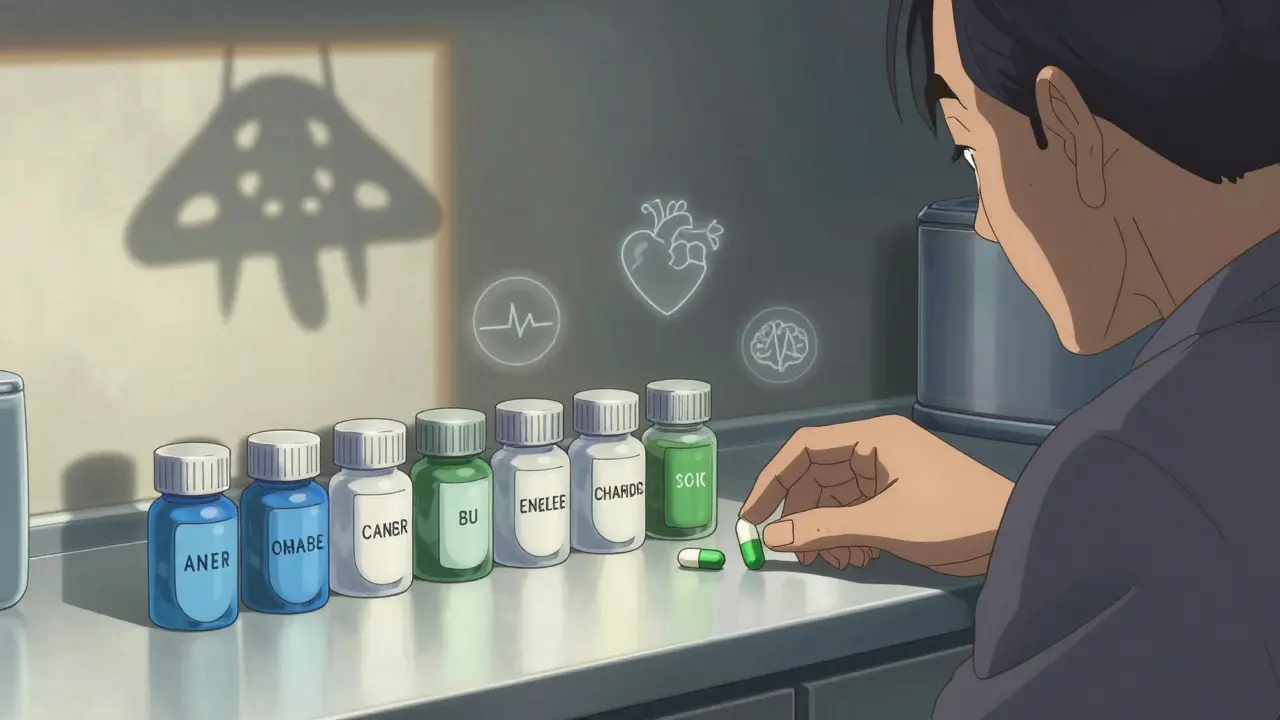
Switching to generic medications saves money, but long-term health outcomes aren't always guaranteed. Learn how manufacturer differences, pill changes, and inconsistent sourcing can affect chronic conditions-and what you can do to protect your health.
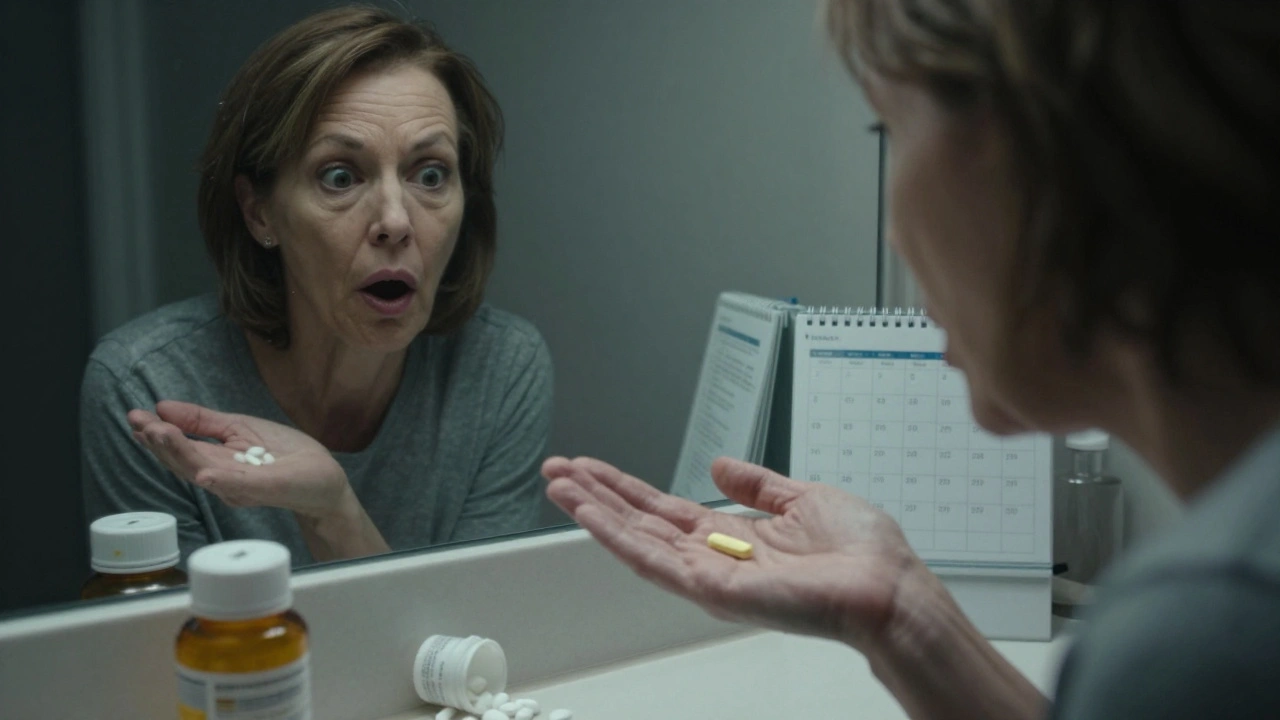
Generic pills often look different from brand-name drugs due to U.S. trademark laws - but these changes can cause patients to skip doses. Learn why this happens, how it affects adherence, and what you can do to stay safe.

Learn how to pair your medications with daily habits like brushing your teeth or drinking coffee to improve adherence. This simple, science-backed method reduces missed doses by up to 50% and works better than apps or alarms.