
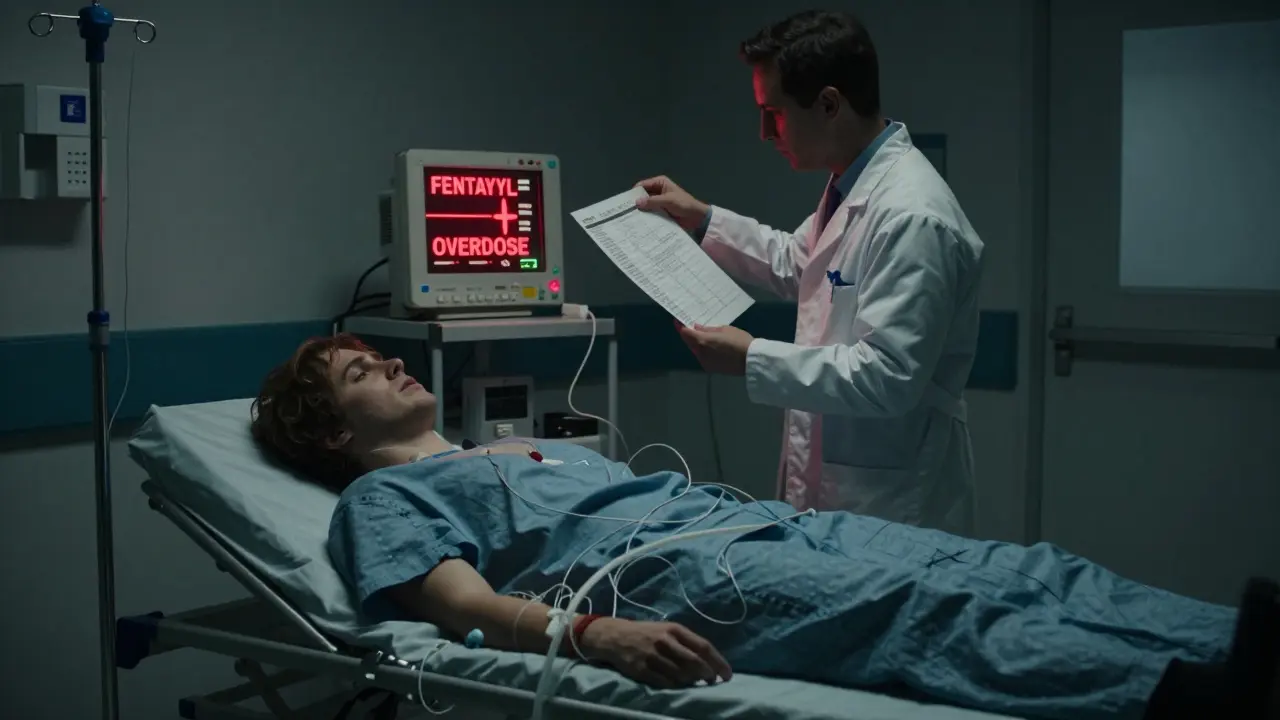
Every year, more than 1.5 million people in the U.S. end up in the emergency room because of mistakes with their medications. These aren’t rare accidents-they’re preventable failures in a system that’s supposed to keep us safe. Medication safety isn’t just a hospital policy or a checklist item. It’s a public health emergency that touches every person who takes a pill, gets an injection, or fills a prescription.
Medication Errors Are More Common Than You Think
Think about the last time you picked up a prescription. You trusted the pharmacist, the doctor, the system. But here’s the truth: 1 in 10 patients in high-income countries experience a harmful medication error. That’s not a statistic-it’s your neighbor, your parent, your friend. The World Health Organization says unsafe medication practices are one of the top causes of preventable harm in healthcare. And it’s not just about wrong doses or mix-ups. It’s about drugs that don’t work because they’re fake. It’s about pills that get lost in translation during a hospital transfer. It’s about an elderly patient taking eight different medications, none of which were properly reviewed.
In 2023, the DEA seized over 80 million counterfeit pills laced with fentanyl. That’s not a crime story-it’s a medication safety failure. These pills look identical to real prescriptions, but they kill. Fentanyl is now the leading cause of death for Americans between 18 and 45. And it’s not just illegal drugs. Even legitimate medications can be dangerous when systems break down.
The Hidden Cost of Mistakes
Medication errors don’t just hurt people-they drain the system. In the U.S. alone, avoidable costs from medication mistakes and non-adherence add up to over $700 billion a year. That’s more than the entire annual budget of the Department of Education. The National Community Pharmacists Association says 125,000 deaths each year are tied to patients not taking their meds correctly. And it’s not because they’re careless. It’s because instructions are confusing, refills aren’t tracked, and no one checks in.
Meanwhile, hospitals spend millions on electronic health records, barcode scanners, and AI tools-all to catch errors before they happen. A 2024 study in JAMA Internal Medicine found that clinical decision support systems cut prescribing errors by 55%. Barcode-assisted administration reduced administration mistakes by 86%. These aren’t futuristic ideas-they’re proven tools that work. But only 63% of U.S. hospitals have fully implemented them. Why? Because change is hard. Staff are stretched thin. Systems don’t talk to each other. And too often, medication safety is treated like an afterthought.
Where the System Breaks Down
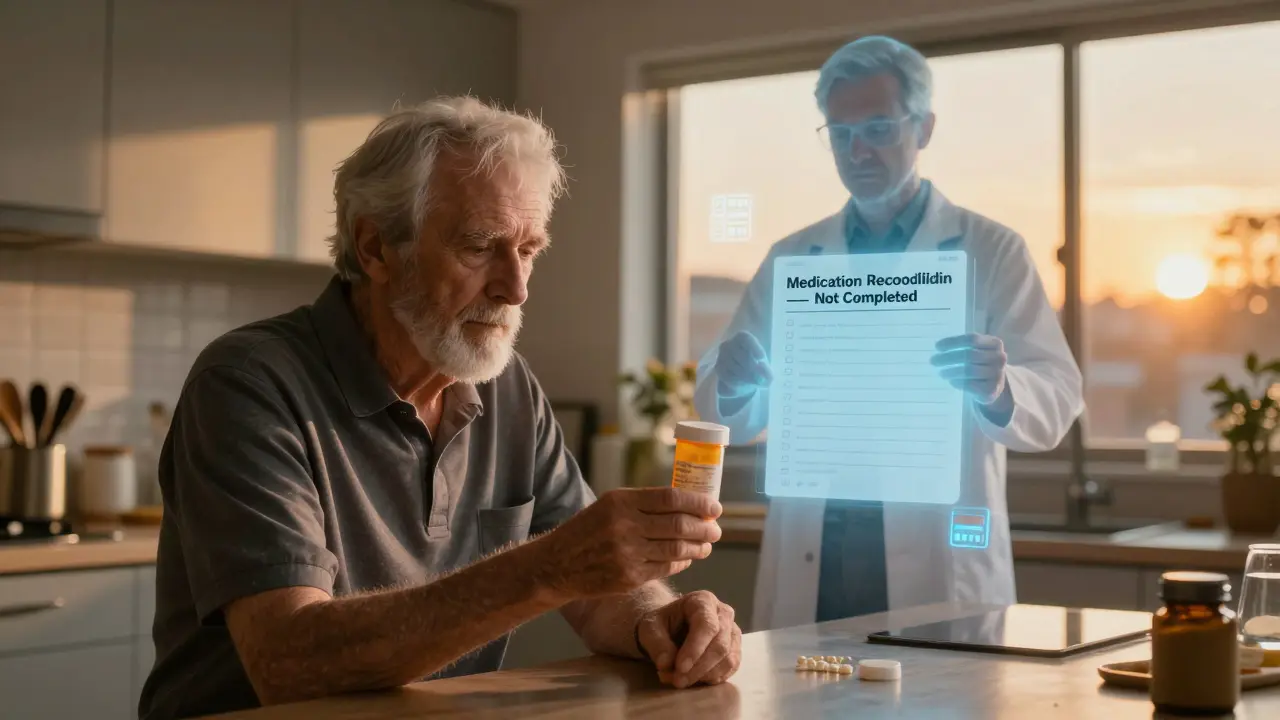
The biggest danger isn’t a single mistake. It’s the chain of failures that follow. Take discharge from the hospital. A patient leaves with a new list of meds, maybe some changes from their old ones. But 67% of patients leave with at least one unintentional error in their medication list. That’s not a typo. That’s a life-threatening gap. One patient might get a new blood thinner but not be told to stop their old one. Another might get a diabetes drug that interacts with their heart medication. No one catches it because no one has time to reconcile the full picture.
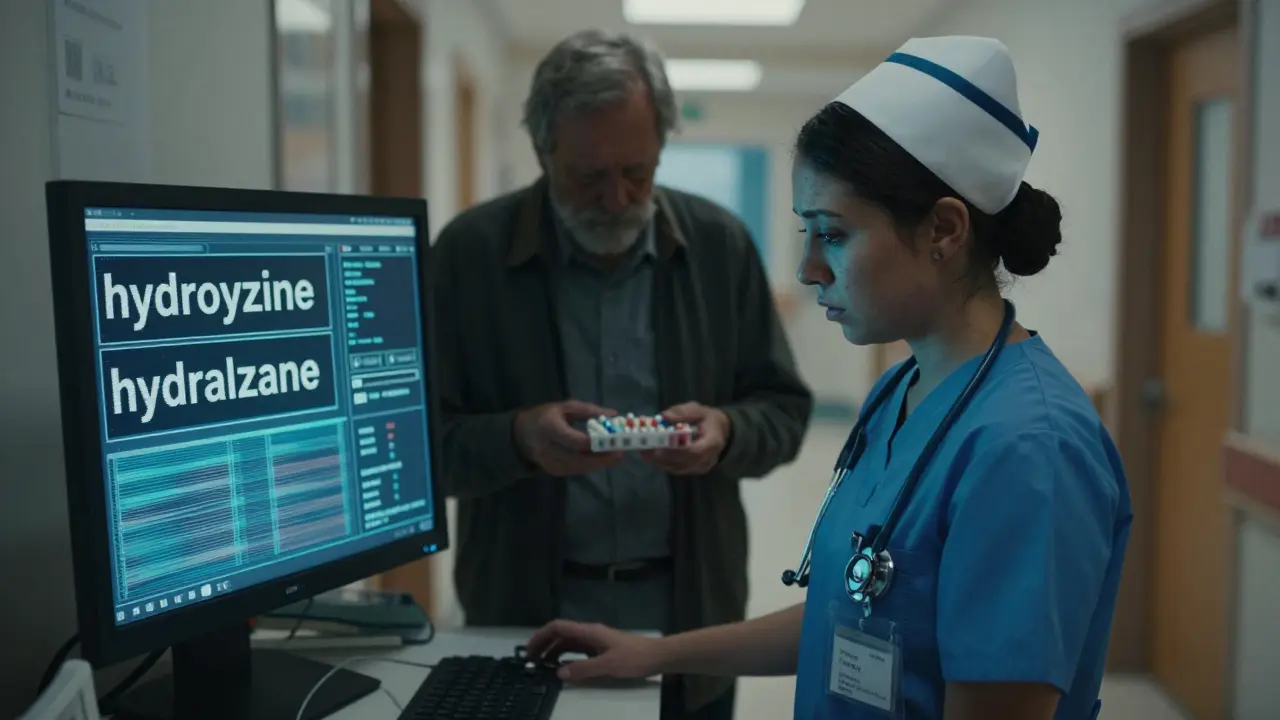
Even when technology is in place, it’s often poorly designed. Nurses on Reddit’s r/HealthIT reported that 68% have had a near-miss error every month because two drugs look or sound alike-like hydroxyzine and hydralazine. Pharmacists say 43% of errors they catch come from bad EHR interfaces that make dosing confusing. These aren’t human errors. They’re system errors. And the data backs it up: 89% of medication mistakes come from flawed processes, not from someone being careless.
How Other Countries Are Doing Better
The U.S. spends more on healthcare than any country, yet it doesn’t lead in safety. The Netherlands slashed medication errors by 44% by requiring all prescriptions to go through a single, standardized electronic system-no paper, no faxes, no handoffs. The UK’s National Reporting and Learning System cut serious errors by 30% by making it easy for staff to report mistakes without fear of punishment. In India, the Pharmacovigilance Programme tracks adverse reactions through 220 centers, even in rural areas.
In the U.S., reporting is voluntary. Only 14% of errors are ever formally reported. That means we’re flying blind. We don’t know how bad it really is. Meanwhile, Medicare tracks 16 specific medication safety measures through its Patient Safety Analysis Web Portal. Adherence rates for cholesterol meds? 78.4%. For hypertension? 76.2%. For diabetes? 74.8%. These numbers aren’t just metrics-they’re snapshots of real people not getting the care they need.
What’s Working: Real Solutions, Real Results
There are bright spots. The Mayo Clinic used AI to reconcile medication lists after discharge and cut post-hospital errors by 52%. Geisinger Health’s pharmacist-led program boosted adherence to 89% and reduced readmissions by 27%. These aren’t magic tricks. They’re deliberate changes: pharmacists embedded in care teams, patients given clear visual schedules, digital portals that send reminders and answer questions.
Visual medication schedules reduced errors by 38%. Standardized order sets cut mistakes by 62%. Patient-facing portals increased adherence by 29%. And pharmacist-led interventions? They save $1,200 per patient per year-and return $13.20 for every dollar spent. That’s not just good care. That’s smart business.
Why This Is a Public Health Issue, Not Just a Hospital Problem
Public health isn’t just about vaccines and clean water. It’s about making sure the medicine people rely on doesn’t hurt them. Medication safety affects millions. It impacts families, workplaces, insurance costs, and life expectancy. The CDC says adverse drug events are a top reason for ER visits. The FDA reports over 200 deaths and 1,900 injuries from infusion pump errors in just 18 months. These aren’t isolated incidents. They’re symptoms of a broken system.
And it’s getting worse. The population is aging. More people are on multiple medications. In 2024, Americans used 215 billion days of drug therapy. That’s a 1.7% increase from the year before. New drugs are approved every month. Old ones get new uses. The complexity is exploding. Without strong safety systems, we’re setting ourselves up for a wave of harm.
The Path Forward
Fixing this isn’t about blaming doctors or pharmacists. It’s about redesigning the system. We need mandatory national reporting of all medication errors. We need standardized training for pharmacy technicians in every state-not just 38. We need EHRs that actually talk to each other, not just meet minimum legal standards. We need to treat medication safety like we treat airplane safety: no exceptions, no shortcuts, no tolerance for preventable failure.
The tools exist. The data is clear. The cost of inaction is measured in lives. The WHO’s goal-to cut severe medication harm by 50% by 2022-wasn’t met. But progress is possible. Minnesota saw a drop in preventable deaths from 21 in 2022 to 14 in 2024. That’s proof that focused action saves lives.
Medication safety isn’t a nice-to-have. It’s the foundation of every other health intervention. A vaccine doesn’t work if the patient never gets it. A heart drug doesn’t help if it’s taken wrong. A painkiller can kill if it’s mixed with the wrong other pill. This isn’t just about healthcare. It’s about protecting the most basic promise of medicine: do no harm.
What You Can Do
You don’t need to be a doctor to help. Keep a list of every medication you take-including supplements and over-the-counter drugs. Bring it to every appointment. Ask: “Why am I taking this?” “What happens if I miss a dose?” “Could this interact with anything else?” Don’t be afraid to speak up. If your discharge instructions are confusing, ask for them in writing. Use a pill organizer. Set phone reminders. Talk to your pharmacist-they’re trained to catch errors before they happen.
Medication safety isn’t someone else’s job. It’s everyone’s responsibility. And if we treat it that way, we can stop turning medicine into a danger-and make it what it was meant to be: a lifeline.
What is medication safety and why does it matter?
Medication safety means preventing errors and harm throughout the entire process of prescribing, dispensing, and taking medicine. It matters because medication mistakes cause over 1.5 million emergency room visits in the U.S. every year and lead to 125,000 preventable deaths. These aren’t rare accidents-they’re systemic failures that can be fixed with better systems, not just better people.
What are the most common types of medication errors?
The most common errors include wrong dosage, incorrect drug selection (often due to look-alike or sound-alike names), drug interactions, and failures during care transitions like hospital discharge. Nearly half of all infusion pump incidents result from incorrect programming. In outpatient settings, 43% of errors intercepted by pharmacists involve dosing mistakes caused by poorly designed electronic health records.
How do counterfeit drugs affect medication safety?
Counterfeit drugs are a growing threat. In 2023, the DEA seized over 80 million fake pills containing lethal doses of fentanyl. These pills look identical to legitimate prescriptions but can be deadly. They enter the supply chain through illegal online pharmacies and unregulated distributors. The FDA’s Drug Supply Chain Security Act requires full electronic tracing of prescriptions by 2025 to help stop this, but enforcement is still inconsistent.
What technologies are helping improve medication safety?
Barcode-assisted medication administration (BCMA) reduces administration errors by 86%. Clinical decision support systems in electronic health records cut prescribing mistakes by 55%. AI tools are now predicting high-risk patients with 73% accuracy. Patient portals that send reminders and answer questions improve adherence by 29%. But technology alone isn’t enough-it must be well-designed, properly integrated, and used by trained staff.
Why is medication adherence such a big problem?
Adherence isn’t about willpower-it’s about design. Complex regimens, confusing instructions, high costs, and lack of follow-up all contribute. The CDC reports that 50% of patients don’t take their meds as prescribed. Pharmacist-led programs that simplify regimens and provide regular check-ins improve adherence by 40%. The American Public Health Association calls for better tracking and support because non-adherence causes $300 billion in avoidable costs annually.
What can patients do to protect themselves from medication errors?
Keep an up-to-date list of all medications, including supplements and OTC drugs. Bring it to every appointment. Ask your provider: Why am I taking this? What if I miss a dose? Could this interact with anything else? Use a pill organizer. Set phone reminders. Don’t hesitate to ask your pharmacist to review your meds-they’re trained to catch errors. If discharge instructions are unclear, ask for written copies and a follow-up call.
How does medication safety impact healthcare costs?
Medication errors cost the U.S. healthcare system over $700 billion annually, including $300 billion from non-adherence and $42 billion from direct error-related costs. Every $1 invested in medication safety generates $7.50 in savings. Pharmacist-led interventions return $13.20 for every dollar spent. Preventing just one hospital readmission due to a medication error can save over $15,000.
Is medication safety improving in the U.S.?
Progress is slow and uneven. While technology adoption is growing-94% of hospitals use barcode systems-only 63% use them effectively. Reporting rates are low (only 14% of errors are documented). But there are signs of improvement: Minnesota saw a drop in preventable deaths from 21 in 2022 to 14 in 2024. The FDA’s new Digital Health Center of Excellence and CMS’s 16 safety metrics show growing recognition. Real progress requires consistent funding, mandatory reporting, and system-wide accountability.
Amber Lane
January 19, 2026 AT 13:52I’ve seen my grandma nearly overdose because the pharmacist didn’t catch the interaction between her blood pressure med and the new OTC sleep aid. No one asked. No one checked. Just handed her the bottle and said ‘take one at bedtime.’
Malvina Tomja
January 21, 2026 AT 13:23Let’s be real-this isn’t a system failure. It’s a people failure. If you can’t read a label or follow basic instructions, maybe you shouldn’t be trusted with pills. The system isn’t broken, the users are.
MARILYN ONEILL
January 23, 2026 AT 00:01Oh please. You think this is new? My cousin worked at a hospital in Ohio and told me they used to have a guy whose whole job was just reading handwriting on scribbled prescriptions. And now we have AI? Pfft. They still mix up hydroxyzine and hydralazine like it’s a game of bingo. This isn’t innovation-it’s theater. They just added more screens so you feel like progress is happening.
MAHENDRA MEGHWAL
January 23, 2026 AT 11:13In India, we have community pharmacists who visit homes in rural areas to verify medication regimens. They use simple pictorial charts because literacy varies. It’s low-tech, but it works. We don’t need fancy EHRs-we need human connection. Technology without empathy is just noise.
Dee Monroe
January 23, 2026 AT 14:06Think about it-every pill we swallow is a tiny act of faith. We trust someone we’ve never met to know what’s right for us. We trust a machine to count the right number of tablets. We trust a label written in tiny font that doesn’t get lost in the shuffle. And yet, we never ask: who’s watching the watchers? Who’s double-checking the double-checkers? Medication safety isn’t just about protocols-it’s about restoring that fragile trust. It’s about remembering that behind every prescription is a person who’s scared, tired, or confused-and we owe them more than a barcode scan.
Sangeeta Isaac
January 24, 2026 AT 11:08so like… the system’s basically a game of telephone but everyone’s half-asleep and the last person is a 78-year-old with 12 bottles and no glasses? 🤦♀️ i once took a pill that looked like a skittle and spent 20 mins googling ‘is this a candy or a heart med?’ turns out it was both. thanks, ehr.
Philip Williams
January 26, 2026 AT 06:28The data is unequivocal: clinical decision support systems reduce prescribing errors by 55%. Yet adoption remains inconsistent. This is not a technological gap-it is a leadership failure. Hospitals must prioritize safety over cost-cutting and incentivize staff engagement with proven tools. The cost of inaction is measured in lives, not dollars.
Melanie Pearson
January 27, 2026 AT 18:23Why are we even talking about this? Other countries have socialized medicine. We don’t. That’s the problem. You can’t fix a broken system with band-aids when the foundation is rotting. The U.S. healthcare model is designed for profit, not safety. End of story.
Jerry Rodrigues
January 28, 2026 AT 04:09My aunt got her meds mixed up after a hospital stay. She didn’t say anything because she didn’t want to be a bother. That’s the real tragedy. People are trained not to speak up. We need to change the culture, not just the software.
Uju Megafu
January 29, 2026 AT 10:53Of course Americans are dying from fake pills-you let anyone open a pharmacy online and then act surprised? We don’t even regulate supplements properly here. Meanwhile, in Nigeria, pharmacists still check your meds by hand because they can’t afford fancy scanners. Guess what? Fewer mistakes. Maybe we need less tech and more accountability.
Jarrod Flesch
January 31, 2026 AT 00:02Had a mate in Sydney who’s a pharmacist-he said their system flags look-alike drugs with color-coded alerts and mandatory double-checks. No drama, no blame. Just safety. We could do this here if we actually wanted to. 🤝
Barbara Mahone
January 31, 2026 AT 04:08According to the CDC, 50% of patients do not adhere to their medication regimens. This is not due to negligence alone but often stems from inadequate patient education and communication. Systemic improvements must include standardized, culturally competent counseling protocols.
Kelly McRainey Moore
January 31, 2026 AT 06:31My dad’s pharmacist actually called him last week to ask why he hadn’t picked up his new blood thinner. No one’s ever done that before. It felt… nice. Maybe we just need more humans paying attention.
Stephen Rock
February 1, 2026 AT 05:16AI tools are great until they misidentify a patient as allergic to insulin because their chart says they took a sugar pill once in 2012. Then you get flagged for 3 months. Tech isn’t the answer. It’s the new excuse for lazy doctors.
Andrew Rinaldi
February 3, 2026 AT 01:19What if we stopped treating medication safety like a checklist and started treating it like a relationship? Between patient and provider, between system and person. It’s not about more rules. It’s about more care.