
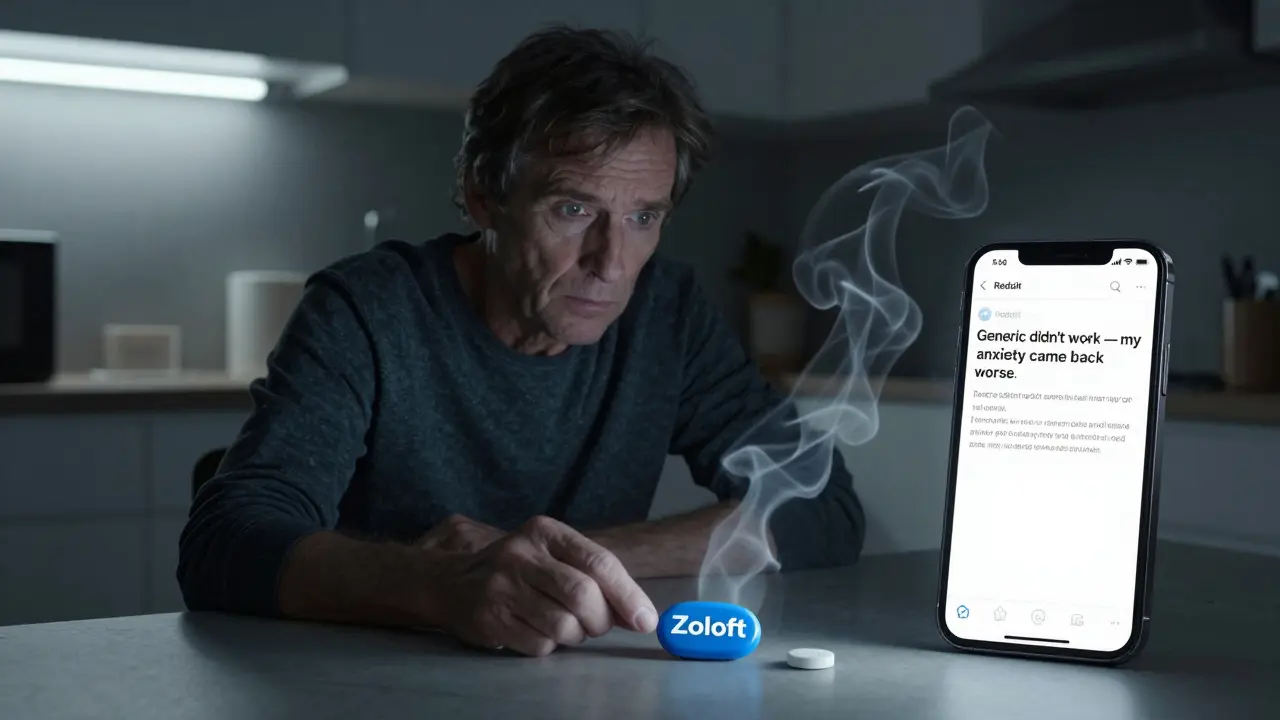
When you pick up a prescription, you might not think twice about whether it’s a brand name or a generic. But for millions of people, that little difference matters more than the science says it should. Generic medications are chemically identical to their brand-name counterparts. They contain the same active ingredients, work the same way in the body, and are held to the same strict standards by the FDA. Yet, a surprising number of patients still believe generics don’t work as well - and what they’re reading online is making it worse.
What Really Makes a Generic Drug?
Let’s clear up a myth right away: a generic drug isn’t a cheaper copy. It’s the same medicine. The FDA requires that generics deliver between 80% and 125% of the brand-name drug’s effect in the bloodstream. That’s not a wide gap - it’s a tight, scientifically proven range. For drugs with narrow therapeutic windows - like blood thinners or seizure meds - the standard is even stricter: 90% to 111%.
The only differences allowed? Color, shape, flavor, and inactive ingredients like fillers or dyes. These don’t affect how the drug works. But they do change how it looks. And that’s where things get tricky.
Imagine you’ve been taking a blue oval pill for your depression for years. Then your pharmacy switches you to a white round one. Same active ingredient. Same dose. But suddenly, you feel different. Maybe your anxiety creeps back. Maybe your sleep worsens. You don’t know if it’s the pill - or your mind. So you Google it.
The Power of Online Reviews
Platforms like Reddit, PatientsLikeMe, and Facebook groups are where real people talk about real experiences. In the last four years, over 6,000 posts from patients mentioned switching to generics. Nearly half (47%) said they had “different side effects.” A third (33%) claimed the generic “just didn’t work.”
One Reddit user wrote: “I’ve been on generic Lyrica for nerve pain. It’s like someone turned off the volume. The brand worked. This? Nothing.” Another said: “I saved $150 a month, but my migraines came back worse. I’m going back to the brand - even if I have to skip groceries.”
These aren’t rare stories. A 2020 study found that 33% of patients felt their doctor gave them no real explanation when switching to a generic. And 32% said their main concern? “It’s too cheap - how can it be the same?”
Here’s the twist: the science says otherwise. A 2018 study gave people identical tramadol pills - one labeled as brand, one as generic. The group who thought they were getting the brand reported less pain, took fewer extra pills, and stuck with their treatment longer. The pills were the same. Their belief changed everything.
Who’s to Blame? The Nocebo Effect
This isn’t just about being skeptical. It’s a psychological phenomenon called the nocebo effect - when expecting something to hurt you makes it hurt you. If you believe a generic is inferior, your brain can actually amplify side effects or dull its benefits. Studies show patients who distrust generics report 27% more side effects - even when taking the exact same drug.
Doctors and pharmacists aren’t immune to this either. A 2015 review found that 29% of doctors and 28% of pharmacists still think generics are less effective. That belief leaks into how they talk to patients. If your provider says, “It’s fine, but I’d take the brand myself,” you’ll hear: “It’s not as good.”
When Trust Is Built - And Broken
But here’s the good news: trust can be rebuilt. And it starts with communication.
A 2022 study found that when pharmacists spent just 90 seconds explaining how generics are approved - using simple language like, “This pill has the same medicine as the brand. The only difference is the color and cost” - patient acceptance jumped 39%. In one trial, adherence to generic medications rose by 19% in six months after clinics handed out clear one-page fact sheets.
Patients who understood the FDA process were 52% more likely to say they trusted generics. And those who heard their doctor say, “I prescribe this to my own family,” were 68% more likely to stick with it.
Even small things help. One pharmacy chain started printing the brand name on generic labels - like “Sertraline (Zoloft)” - so patients recognized the connection. Complaints dropped by 41%.
Who Believes What?
Not everyone sees generics the same way. Age and education play a big role.
- People under 35: 68% believe generics are just as good.
- People over 65: Only 42% do.
- College graduates: 73% trust generics.
- Those with less than a high school education: Just 45% do.
Why? Younger, better-educated people are more likely to search for facts, not just stories. They’ve seen how tech, food, and clothing brands use cost-cutting without losing quality. They get it: you don’t need a fancy logo to make a good product.
But older patients often remember when generics were truly unreliable - before strict FDA rules. They’ve seen friends switch and get worse. Their experience isn’t irrational. It’s emotional.
What’s Changing Now?
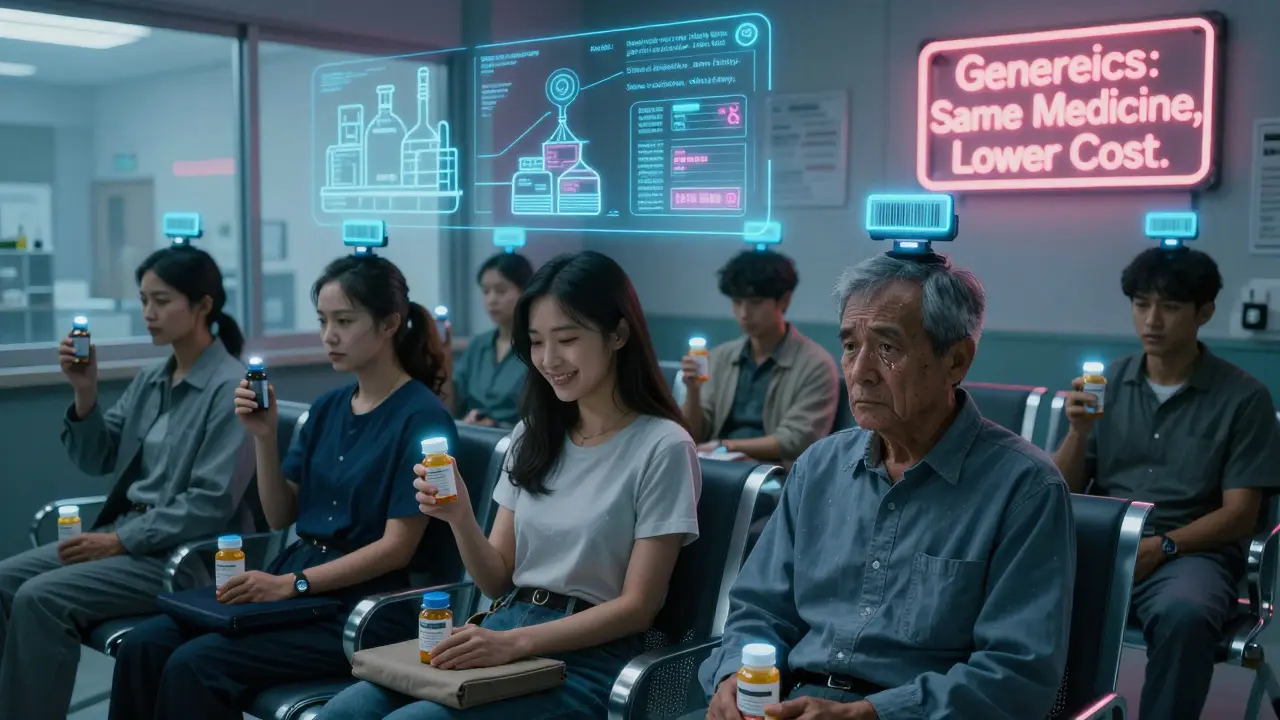
There’s new hope. The FDA launched a public campaign called “Generics: Same Medicine, Lower Cost” in 2023. Early results show a 22% rise in consumer confidence.
Some drugmakers are trying a smart trick: selling “authorized generics.” These are made by the original brand company - same factory, same formula - but sold without the brand name. They’re cheaper than the brand, but look and feel more trustworthy. Sales of these jumped 38% last year.
And technology is stepping in. Blockchain systems like MediLedger now let patients scan a code on their pill bottle and see the full supply chain: where it was made, tested, and shipped. In trials, 99% of users felt more confident knowing the drug’s origin.
What You Can Do
If you’re on a generic and feel something’s off:
- Don’t assume it’s the pill. Talk to your pharmacist. Ask: “Is this the same as the brand?”
- Check the label. Does it list the same active ingredient and dose? If yes, it’s the same medicine.
- Give it time. Sometimes side effects fade after a week or two.
- If you’re still unsure, ask about the authorized generic - same quality, no brand name.
- Share your experience. If it worked, say so. If it didn’t, say why - but be specific. Vague posts like “Generic didn’t work” don’t help anyone.
If you’re a provider: Don’t assume patients understand. Use plain language. Say: “This generic has the same active ingredient as the brand. The FDA requires it to work the same way. The only difference is the price.”
The Real Cost of Doubt
Every time someone skips a generic because they don’t trust it, the system loses. In the U.S. alone, avoidable brand prescriptions and non-adherence cost over $14 billion a year. That’s money that could fund care for millions.
But more than money - it’s about health. People with chronic conditions like high blood pressure, diabetes, or depression are at higher risk of complications when they stop taking their meds. And that risk grows when they believe the medicine isn’t real.
Generics aren’t a compromise. They’re the rule. 90% of prescriptions filled in the U.S. are generics. They’re safe. They’re effective. And they’re saving lives - every day.
The question isn’t whether generics work. It’s whether we’ll let fear and misinformation keep us from using them.
Are generic drugs really the same as brand-name drugs?
Yes, by law. Generic drugs must contain the same active ingredients, strength, dosage form, and route of administration as the brand-name version. The FDA requires them to be bioequivalent - meaning they deliver the same amount of medicine into your bloodstream at the same rate. The only differences are in color, shape, flavor, and inactive ingredients - none of which affect how the drug works.
Why do some people feel generics don’t work as well?
It’s often the nocebo effect - when expecting a negative outcome makes it happen. If someone believes generics are inferior, their brain can amplify side effects or reduce perceived effectiveness. Changes in pill appearance, lower cost, or hearing negative stories online can all trigger this. Studies show patients who think they’re taking a brand-name drug report better results - even when the pill is identical to the generic.
Can generic drugs have different side effects?
The active ingredient causes the same side effects. But inactive ingredients - like fillers or dyes - can rarely cause reactions in sensitive individuals. For example, someone allergic to a dye in one version might react to that specific generic. That’s why switching between generics from different manufacturers can sometimes cause issues. But this is uncommon. If you notice a change after switching, talk to your pharmacist - it might be a formulation difference, not a quality issue.
What are authorized generics?
Authorized generics are made by the original brand-name company but sold without the brand name or logo. They’re identical to the brand - same factory, same formula, same quality - but priced like a generic. They’re a good option if you’re skeptical about regular generics because they look and feel more familiar.
How can I trust a generic drug?
Ask your pharmacist: “Is this the same as the brand?” Check the label for the active ingredient - it should match exactly. Look for FDA approval on the packaging. If you’re still unsure, ask about the authorized generic. And if you’ve had a good experience with a generic, share it. Real stories help build trust more than any ad ever could.