
Drug-drug interactions can make medications ineffective or dangerously strong. Learn how enzymes, transporters, and genetics affect how drugs work together-and what you can do to stay safe.
Pharmacokinetic Interactions: How Drugs Affect Each Other in Your Body
When you take more than one medication, your body doesn’t treat them like separate guests—it treats them like roommates fighting over the same bathroom. This is where pharmacokinetic interactions, the way drugs change how your body absorbs, breaks down, or gets rid of other drugs. Also known as drug metabolism interactions, they’re behind many unexpected side effects, failed treatments, and hospital visits. It’s not about what the drugs do on their own—it’s about what they do to each other inside you.
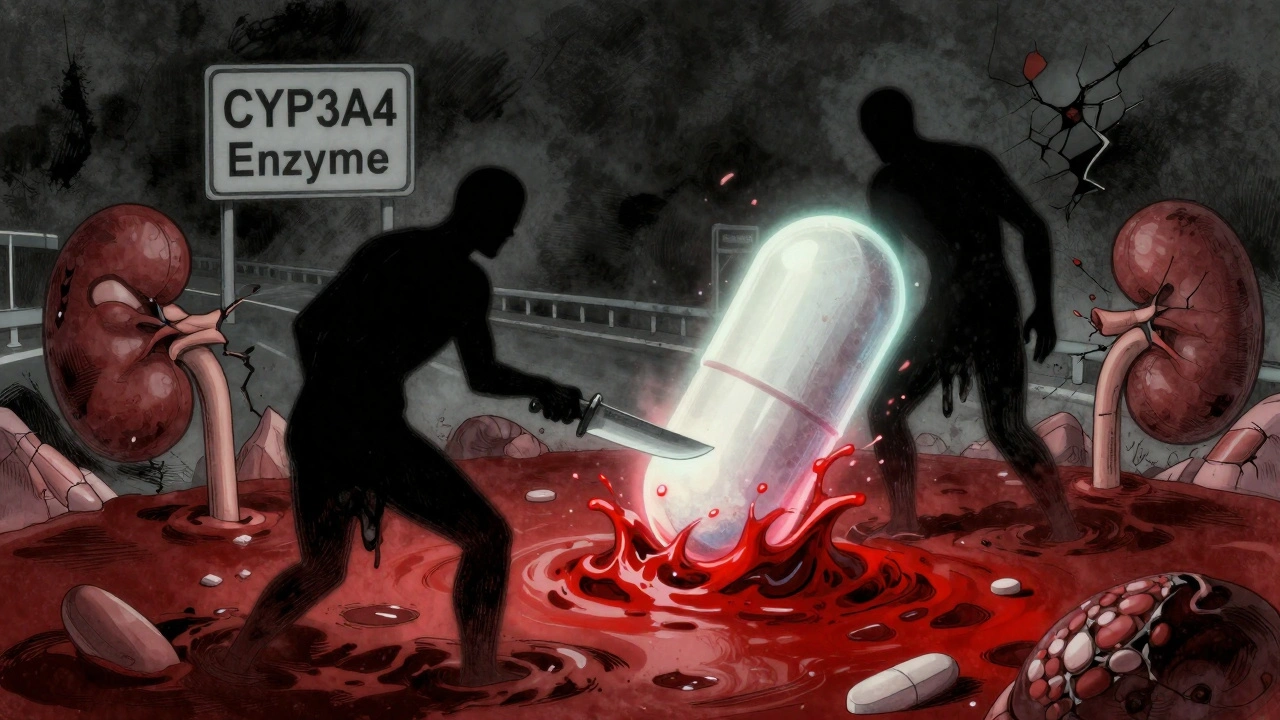
One of the biggest players in this game is CYP3A4, a liver enzyme that processes over half of all prescription drugs. When a drug like ritonavir blocks CYP3A4, it can cause other meds—like statins, blood thinners, or even some painkillers—to build up to dangerous levels. On the flip side, some drugs speed up CYP3A4, making your meds useless before they even start working. Then there’s warfarin, a blood thinner so sensitive that vitamin K in your salad can throw off your dose. That’s why food diaries matter. And when you mix methadone with other QT-prolonging drugs, you’re not just risking dizziness—you’re risking a fatal heart rhythm. These aren’t rare edge cases. They happen every day in homes, clinics, and nursing facilities.
Pharmacokinetic interactions don’t care if you’re a senior on ten pills or a young adult taking a new antibiotic with your birth control. They’re silent, invisible, and often ignored until something goes wrong. That’s why brown bag reviews, medication therapy management, and checking for drug interactions before adding a new OTC pill aren’t just good advice—they’re survival skills. Your pharmacist isn’t just filling prescriptions—they’re reading the fine print of your body’s chemistry.
Below, you’ll find real-life stories from people who’ve been there: how a common cold medicine nearly caused a stroke, why a diabetes drug made nerve pain worse, how a simple change in timing saved someone from liver damage, and what happens when you don’t know your meds are talking to each other. These aren’t textbook warnings. They’re lessons learned the hard way—and they’re here to help you avoid the same mistakes.