
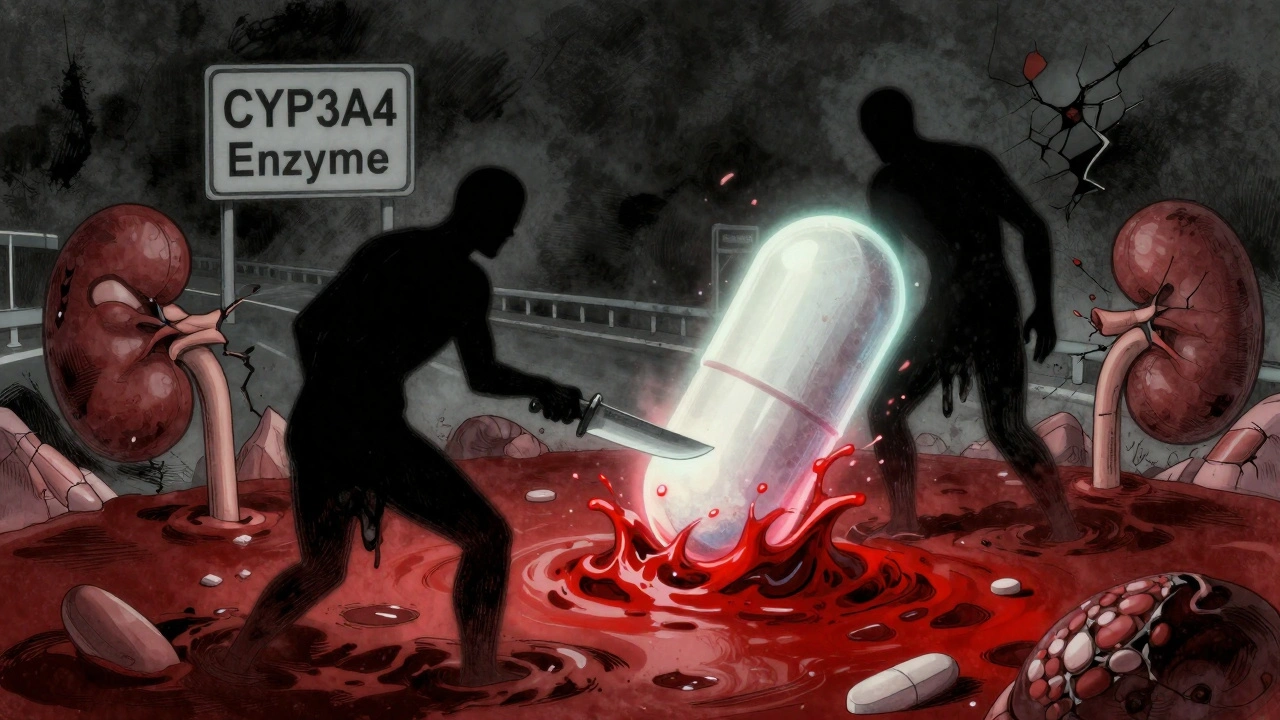
Drug-drug interactions can make medications ineffective or dangerously strong. Learn how enzymes, transporters, and genetics affect how drugs work together-and what you can do to stay safe.
Pharmacodynamic Interactions: How Drugs Affect Each Other in Your Body
When two or more drugs are taken together, they don’t just sit side by side—they pharmacodynamic interactions, the way drugs change each other’s effects at the site of action in the body. Also known as drug effect interactions, these happen when one drug boosts, blocks, or messes with how another drug works—no matter what the dose is. This isn’t about how your body absorbs or breaks down the drugs (that’s pharmacokinetics). This is about what happens when the drugs meet in your cells, nerves, or heart—and how that changes the outcome.
Take methadone, a pain and addiction treatment that can slow your heart rhythm. Also known as QT-prolonging drug, it becomes risky when paired with other drugs that do the same thing—like certain antibiotics or antifungals. That’s a classic pharmacodynamic interaction: two drugs team up to make your heart beat dangerously slow. Or think about warfarin, a blood thinner that’s super sensitive to what else you take. Also known as anticoagulant, it doesn’t just interact with other pills—it reacts to vitamin K in your food. Too much broccoli one day, too little the next, and your INR swings. That’s pharmacodynamics too: the drug’s effect changes because something else is shifting the balance in your body.
These interactions aren’t rare. They’re common in people taking multiple meds—especially seniors, people with chronic conditions, or those on HIV or mental health treatments. Lopinavir/ritonavir, a boosted HIV combo that alters how other drugs behave. Also known as CYP3A4 inhibitor, it doesn’t just change how fast other drugs are broken down—it changes how they work once they’re in your system. That’s why even a simple OTC painkiller can become risky when mixed in. And it’s why a brown bag medication review, a simple check where you bring all your pills to your pharmacist or doctor. Also known as medication reconciliation, it isn’t just a formality—it’s your best defense against hidden clashes.
What you’ll find here aren’t just lists of dangerous combos. These are real stories from real patients: how a diabetic’s nerve pain got worse because of a new blood pressure pill, how a child’s liquid medicine dose was messed up because of a misunderstood label, how someone nearly bled out because their warfarin wasn’t tracked with food. Each post is a lesson in how drugs don’t work alone—and how understanding their interactions can keep you safe. Whether you’re managing a chronic illness, caring for an older relative, or just trying to avoid a bad reaction, this collection gives you the practical tools to spot risks before they hit.