
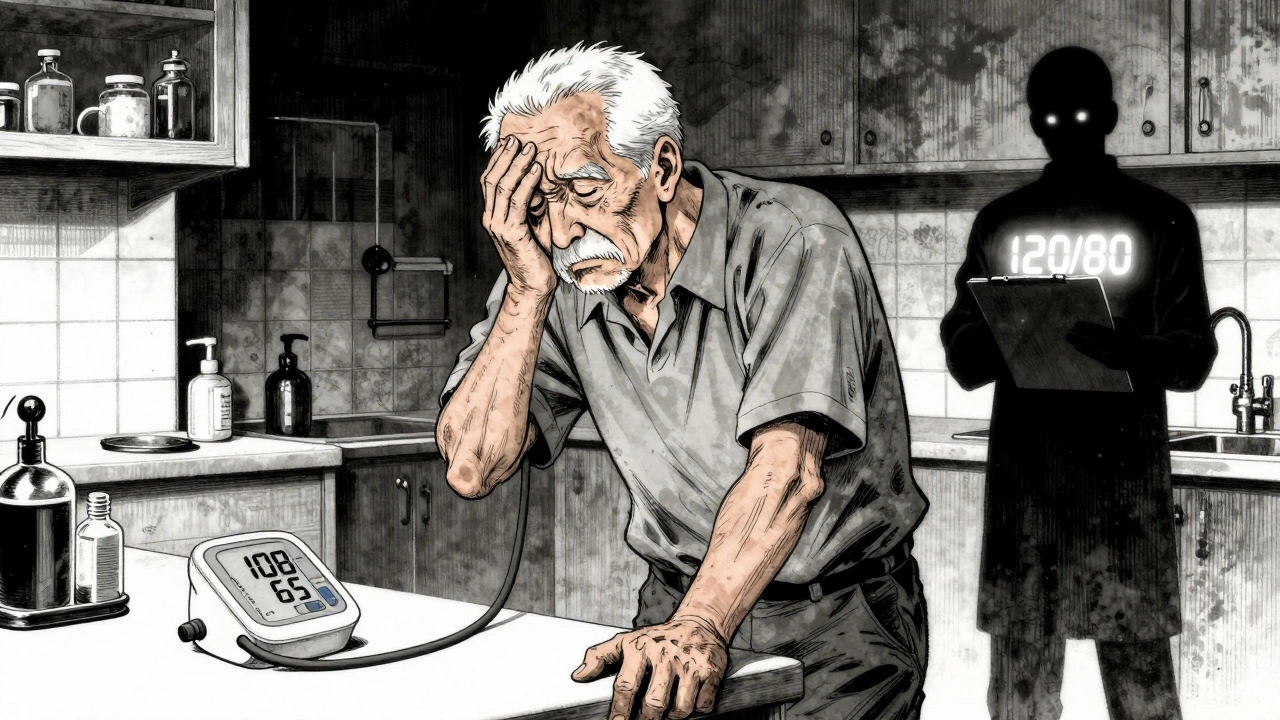
Blood pressure targets are no longer one-size-fits-all. While 120/80 is ideal for some, others may be safer with higher goals. Learn who should aim for lower numbers-and who shouldn’t.
Hypertension Treatment: What Actually Works
When you’re dealing with hypertension treatment, the process of managing high blood pressure through medication, diet, and monitoring to reduce risk of heart attack and stroke. Also known as high blood pressure management, it’s not just about popping a pill—it’s about understanding how your body responds, what drugs are safe together, and how to avoid dangerous side effects. Millions take meds for this, but many don’t realize that some common drugs—like certain painkillers, decongestants, or even herbal supplements—can undo all the progress. Your blood pressure isn’t just a number on a screen; it’s a signal that your heart, kidneys, and arteries are under stress, and the wrong combo of meds can make things worse.
Effective antihypertensive drugs, medications designed to lower blood pressure by relaxing blood vessels, reducing fluid volume, or slowing heart rate come in several classes: ACE inhibitors, beta-blockers, calcium channel blockers, and diuretics. Each works differently, and your doctor picks one—or a mix—based on your age, other conditions like diabetes or kidney disease, and how your body reacts. For example, someone with heart failure might get an ACE inhibitor, while a younger person with no other issues might start with a diuretic. But here’s the catch: mixing these with QT-prolonging drugs like methadone or certain antibiotics can trigger dangerous heart rhythms, like Torsades de Pointes, a life-threatening irregular heartbeat caused by prolonged electrical activity in the heart. That’s why knowing your full medication list matters—not just what your doctor prescribed, but what you’re taking over the counter or from a supplement aisle.
It’s not all pills. Lifestyle changes are just as powerful. Cutting salt, losing even 5% of your body weight, and walking 30 minutes a day can drop your systolic pressure by 10 points. But people often stop because they don’t see instant results, or they get confused by pill changes—like when a generic looks totally different than the brand name. That’s not a scam; it’s U.S. trademark law. But if you don’t know why your pill changed color or shape, you might skip doses out of fear. And that’s how hypertension treatment fails. Tracking your meds with a simple routine—like pairing pills with brushing your teeth—can cut missed doses by half. Plus, regular checkups that include a brown bag medication review, a process where patients bring all their pills to a provider to check for dangerous interactions can catch hidden risks before they cause harm.
What you’ll find below isn’t a list of random articles. It’s a practical guide built from real cases: how to avoid drug interactions that spike your blood pressure, why some meds cause dizziness or kidney strain, how to tell if your generic is safe to switch to, and what to do if you’re on multiple meds and feel off. You’ll see how SGLT2 inhibitors help diabetics with high blood pressure, how vitamin K affects blood thinners often used alongside hypertension meds, and why storing pills properly matters more than you think. No fluff. No theory. Just what you need to stay safe and in control.