
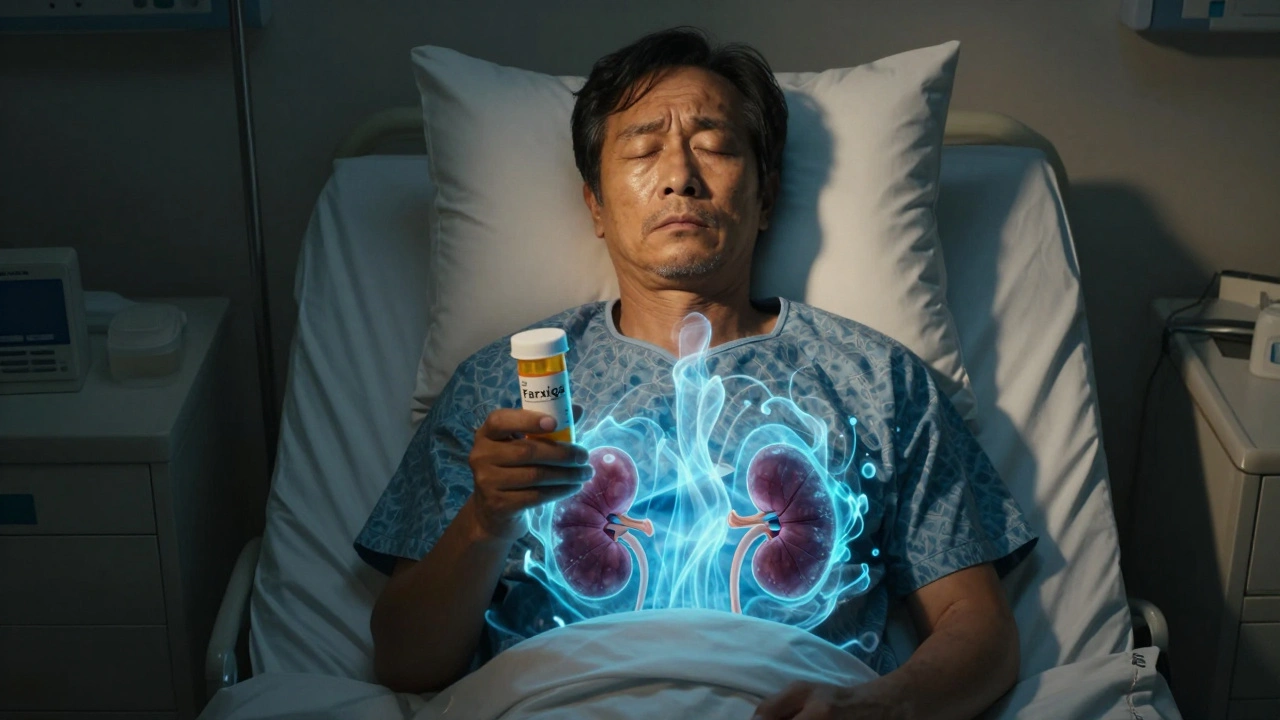
SGLT2 inhibitors like Jardiance and Farxiga lower blood sugar and provide powerful protection for the heart and kidneys in type 2 diabetes. Learn how they work, who benefits most, and what risks to watch for.
Heart Protection: How Medications, Lifestyle, and Monitoring Keep Your Heart Safe
When it comes to heart protection, the collective strategies used to reduce the risk of heart attack, stroke, and heart failure through medication, diet, and monitoring. Also known as cardiovascular protection, it’s not just about taking a pill—it’s about understanding how every drug, food, and habit affects the rhythm and pressure inside your chest. Many people think heart protection means popping a statin and calling it a day. But real protection? It’s layered. It’s knowing that azilsartan medoxomil, a potent blood pressure medication that relaxes arteries to lower strain on the heart works better when your vitamin K intake stays steady, like with warfarin, a blood thinner that needs consistent diet habits to avoid dangerous clots or bleeding. One affects your vessels, the other your blood’s ability to clot—both are part of the same system.
And then there’s the silent threat: drug interactions, when two or more medications change how each other works in your body, often in dangerous ways. Take methadone, a pain and addiction treatment that can stretch your heart’s electrical cycle, raising the risk of sudden arrhythmia. If you’re on it and also take a common antibiotic or antifungal, you could be flirting with a life-threatening heart rhythm. That’s why heart protection isn’t just about your cardiologist—it’s about your pharmacist, your food diary, and your ability to ask: "Could this pill hurt my heart?" Even something as simple as ezetimibe, a cholesterol drug with mild stomach side effects but low risk for heart damage, becomes part of the puzzle when your body’s already handling five other meds.
Heart protection also means catching problems before they crash. Diabetic nerve damage? That’s not just numb toes—it’s a sign your blood vessels are slowly failing. High blood pressure? It’s not just a number on a screen—it’s the quiet force wearing down your arteries for years. That’s why the best heart protection isn’t flashy. It’s a brown bag review with your pharmacist. It’s pairing your pill with your morning coffee so you don’t forget. It’s knowing that a counterfeit pill or a mislabeled dose can undo years of care. The posts below don’t just talk about heart health—they show you how the pieces fit: which drugs lower risk, which ones sneak in danger, and how everyday choices—like storing meds safely or tracking your diet—add up to real, lasting protection.