
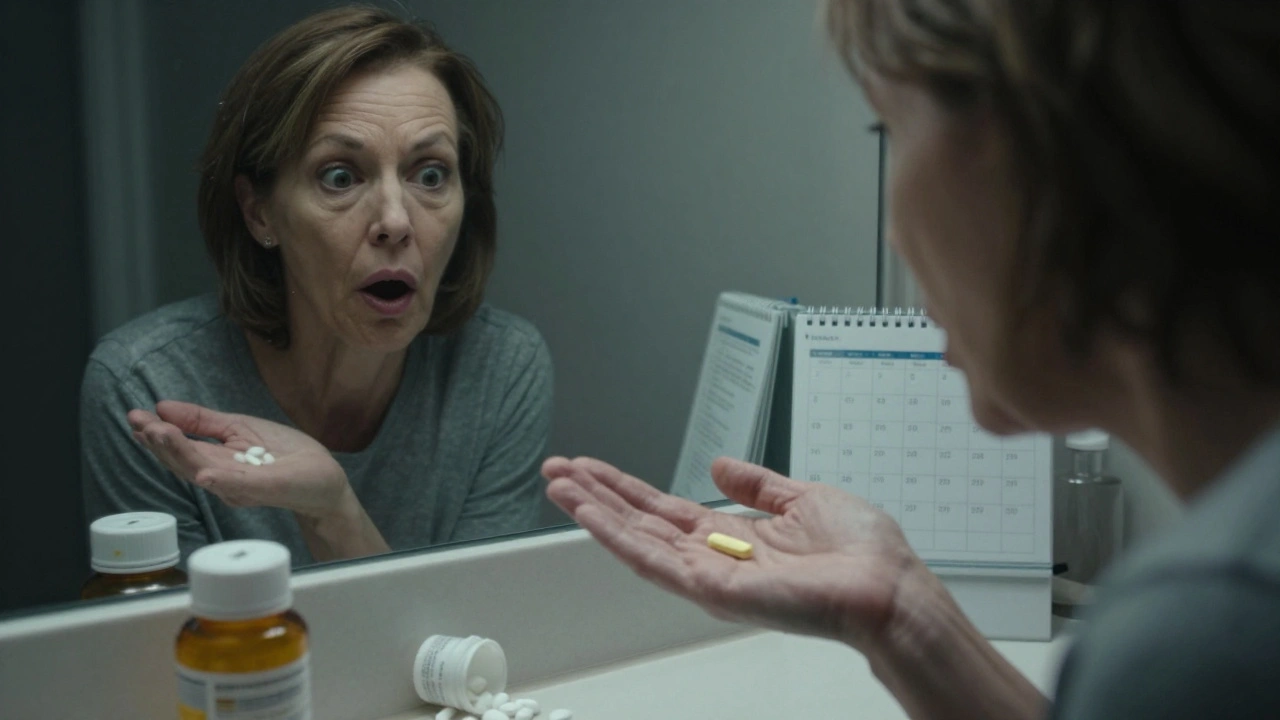
Generic pills often look different from brand-name drugs due to U.S. trademark laws - but these changes can cause patients to skip doses. Learn why this happens, how it affects adherence, and what you can do to stay safe.
Generic Pills: What They Are, How They Work, and What You Need to Know
When you hear generic pills, identical versions of brand-name medications sold without the brand name. Also known as generic drugs, they contain the same active ingredients, work the same way, and meet the same FDA standards as their branded counterparts—but cost far less. Most people assume generics are cheaper because they’re lower quality. That’s not true. The FDA requires them to deliver the same amount of medicine into your bloodstream at the same speed as the brand-name version. If your doctor prescribes Lipitor and you get atorvastatin, you’re getting the exact same drug—just without the blue pill with the Pfizer logo.
Why does this matter? Because insurance coverage, how health plans decide which drugs to pay for and how much you pay out of pocket is built around generics. Most plans push you toward them first. If you’re on a high-deductible plan or pay cash, switching to a generic can cut your monthly cost by 80% or more. For chronic conditions like high blood pressure, diabetes, or depression, that adds up to hundreds or even thousands of dollars a year. But here’s the catch: not all generics are created equal in how they’re made. Some are produced by the same company that makes the brand-name version—they’re called authorized generics, exact copies of brand-name drugs sold under a different label. These are identical in every way, down to the inactive ingredients. Traditional generics might have different fillers or coatings, which can sometimes affect how fast they dissolve—but rarely their effectiveness.
People worry about side effects changing when they switch. It happens sometimes, but not because the medicine is weaker. It’s usually because your body reacts to a new filler or dye. If you’ve had trouble with a generic before, tell your pharmacist. They can check if there’s an authorized version available or help you request a medical exception from your insurer. And if you’re on a drug like warfarin or methadone, where tiny changes matter, your pharmacist will monitor you closely. That’s why medication therapy management, a service where pharmacists review all your meds to catch problems and optimize use is so valuable—it’s not just about saving money, it’s about making sure the switch doesn’t backfire.
There’s also the issue of safety. With so many generic pills circulating, counterfeit drugs have become a real risk. That’s why you should never buy pills online unless the pharmacy is verified. Always check your label: the name, dosage, and manufacturer should match what your doctor prescribed. If your pills look different than last time, ask. Your pharmacist should be able to explain why. And if you’re storing meds at home, keep them away from kids and heat—because even a generic pill can turn dangerous if it’s been exposed to moisture or tampering.
Below, you’ll find real-world guides on how generics work, how to spot a fake, how to talk to your pharmacist, and what to do when a generic doesn’t feel right. These aren’t theory pieces—they’re based on actual patient experiences, clinical data, and pharmacy practices. Whether you’re switching for the first time, managing multiple meds, or just trying to save money without risking your health, you’ll find clear, no-fluff advice here.