
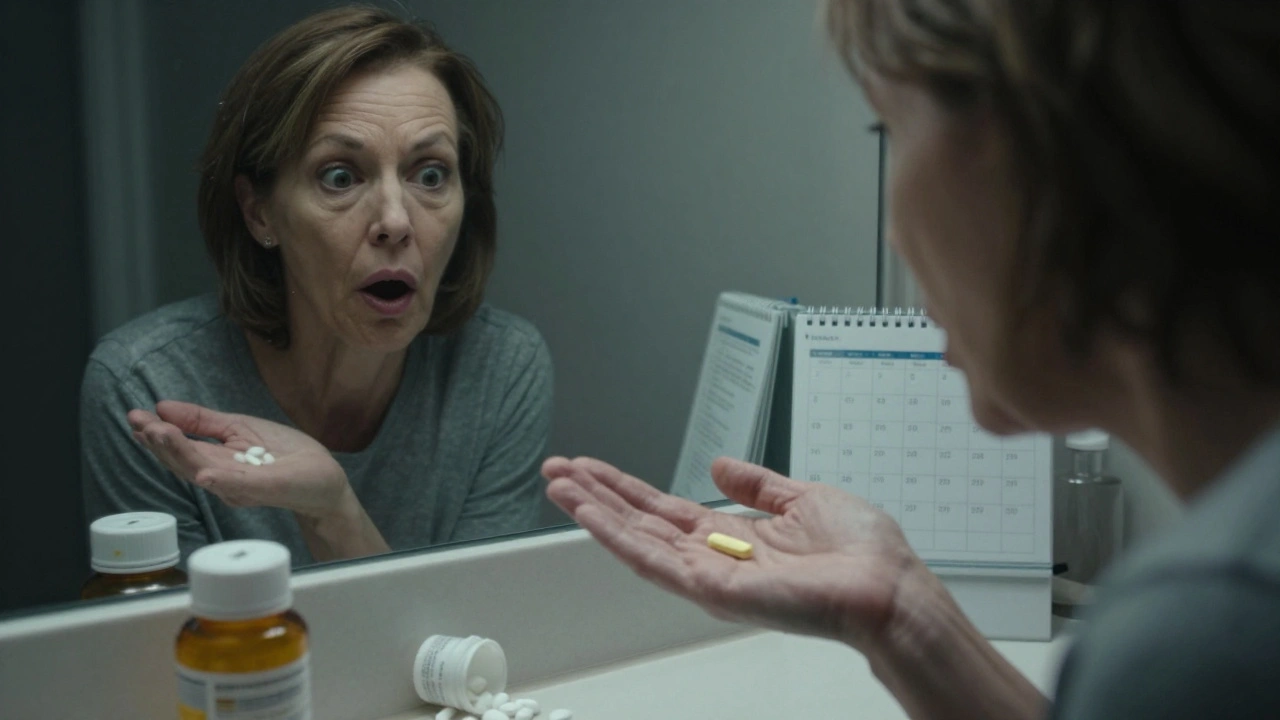
Generic pills often look different from brand-name drugs due to U.S. trademark laws - but these changes can cause patients to skip doses. Learn why this happens, how it affects adherence, and what you can do to stay safe.
Generic Drug Appearance: What They Really Look Like and Why It Matters
When you pick up a generic drug, a medication that contains the same active ingredient as a brand-name drug but is sold without the brand name. Also known as generic medication, it works the same way, costs less, and is just as safe — but it often looks completely different. That’s not a mistake. It’s the law. The FDA requires generic drugs to differ in color, shape, or size from the brand-name version to avoid trademark infringement. So if your pills changed from blue ovals to white circles, your medicine hasn’t changed — just its outside.
That difference in generic drug appearance, the physical characteristics like color, shape, size, and imprint on a medication pill can cause real confusion. People think a new-looking pill means a different drug, a weaker dose, or even a fake. But the active ingredient — the part that actually treats your condition — is identical. What changes are the inactive ingredients: dyes, fillers, and coatings. These don’t affect how the drug works, but they do affect how it looks and sometimes how it’s tolerated. For example, someone allergic to red dye might get a different version of the same generic drug without that color.
That’s why pill identification, the process of recognizing medications by their physical traits and imprint codes matters. Every pill — generic or brand — has a unique imprint, like a code stamped on it. You can look that up online or ask your pharmacist. It’s the best way to confirm you’re getting the right medicine, no matter how it looks. Don’t rely on color or shape alone. A generic version of metformin might be white and round, while another is green and oval. Both are correct. Both work the same.
And here’s the bigger picture: when you see a change in your pill’s appearance, it’s not always about switching brands. It could mean your pharmacy got a new supplier. Generic drugs come from dozens of manufacturers, and they all make the same drug look different. That’s why your prescription might look one way one month and another way the next. It’s normal. But if you’re ever unsure, always check with your pharmacist. They can tell you if it’s the same drug, just a different version.
It’s also why medication safety, the practice of using drugs correctly to avoid harm, errors, or counterfeit products starts with knowing what’s in your bottle. Fake pills are a growing problem. They might look like real generics but contain nothing — or worse, dangerous stuff. Real generics have clear, sharp imprints. Counterfeits often have blurry letters, odd colors, or weird textures. If something looks off, don’t take it. Bring it back to your pharmacy. They can verify it.
What you’ll find in these posts isn’t just theory. It’s real advice from people who’ve been there: the mom who panicked when her child’s ADHD pill changed color, the senior who stopped taking blood pressure meds because the pill looked wrong, the patient who caught a fake opioid because they knew to check the imprint. These stories aren’t rare. They happen every day. And they’re preventable.
Below, you’ll find clear, no-fluff guides on how to identify your meds, why generics look different, how to spot fakes, what to do when your pill changes, and how to talk to your pharmacist about it. No jargon. No scare tactics. Just what you need to know to stay safe and confident with your medications — no matter what they look like.