
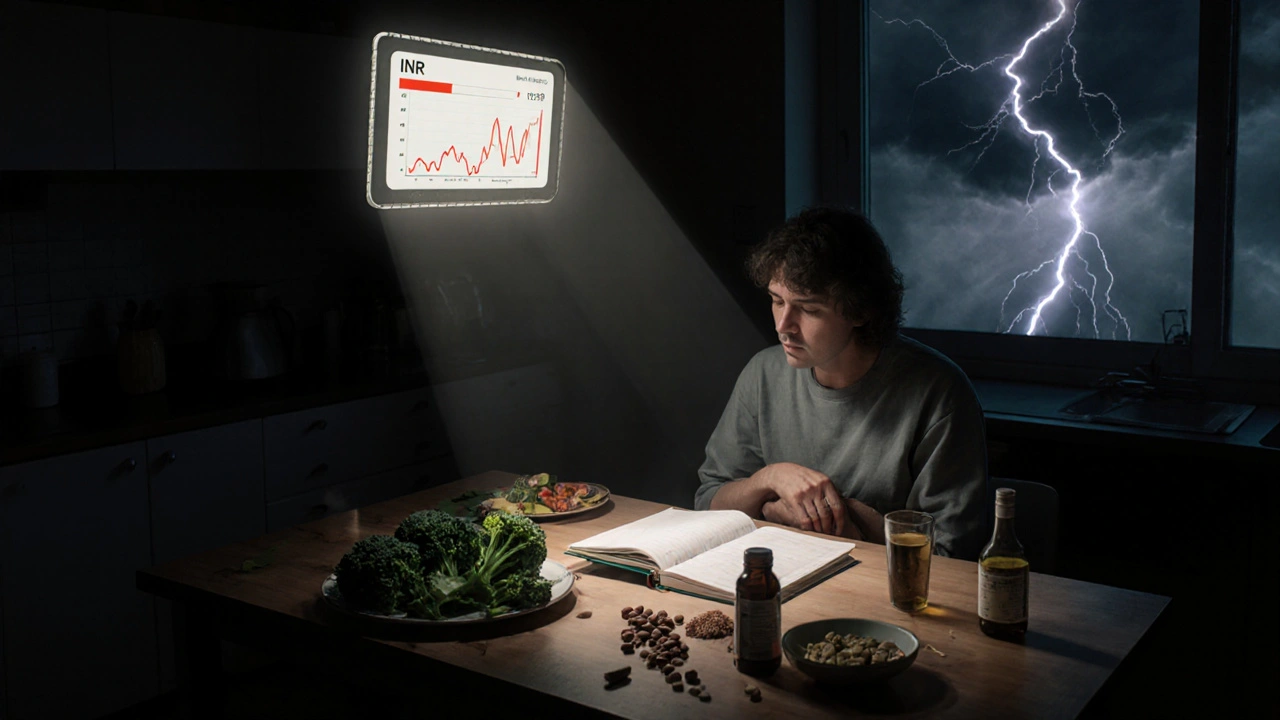
Tracking vitamin K intake with a food diary is essential for warfarin patients to maintain stable INR levels and avoid dangerous bleeding or clotting risks. Consistency, not avoidance, is the key.
Food Diary: Track What You Eat to Improve Health and Medication Outcomes
When you keep a food diary, a daily record of what you eat and drink, often used to identify patterns between diet and health symptoms. Also known as diet journal, it’s one of the simplest, most powerful tools you can use to understand how your meals affect your body—especially when you’re taking medications. Many people think a food diary is only for losing weight, but it’s just as vital for managing chronic conditions, avoiding bad drug-nutrient interactions, and making sure your pills work the way they should.
Think about it: if you’re on blood pressure meds like losartan, an ARB medication that helps relax blood vessels and reduce heart disease risk, eating too much salt can cancel out the benefits. Or if you’re taking sertraline, an SSRI antidepressant that can cause nausea and diarrhea as side effects, certain foods like grapefruit or high-fat meals can make those side effects worse. A food diary helps you connect the dots between what’s on your plate and how you feel after taking your meds. It’s not guesswork—it’s data. And that data tells your doctor what’s really going on.
People who track their meals for just two weeks often spot hidden triggers: maybe your joint pain flares after dairy, or your blood sugar spikes every time you skip breakfast and then eat a big lunch. That’s especially important if you’re managing diabetes, eczema, or heart disease—all conditions covered in our posts. A food diary also helps prevent dangerous drug-nutrient interactions, when foods or supplements change how your medications are absorbed or broken down in your body. For example, vitamin K in leafy greens can interfere with blood thinners, and calcium supplements can block antibiotics. You won’t know unless you write it down.
And it’s not just about what you eat—it’s about when. Pairing meds with meals or daily habits, like brushing your teeth or drinking coffee, can boost adherence by up to 50%. Our posts show how simple routines make a big difference. If you’re taking pills for HIV, Parkinson’s, or high blood pressure, timing matters. A food diary helps you stick to those routines and spot missed doses before they become a problem.
You don’t need an app or fancy tools. Just a notebook, a phone note, or even a printed template. Write down what you ate, when, and how you felt. Did your stomach hurt after lunch? Did your headache go away after dinner? Did your meds make you dizzy after eating? These details matter. They’re the clues your doctor needs to adjust your plan—without guessing.
In the posts below, you’ll find real examples of how tracking your diet connects to medication safety, nerve pain, eczema flares, and even how to avoid overdose risks from mixing food with pills. Whether you’re managing diabetes, dealing with side effects from antidepressants, or just trying to make your meds work better, a food diary gives you control. It turns confusion into clarity—and that’s the first step to feeling better.