
Drug-drug interactions can make medications ineffective or dangerously strong. Learn how enzymes, transporters, and genetics affect how drugs work together-and what you can do to stay safe.
Drug Interactions Risk: What You Need to Know to Stay Safe
When you take more than one medication, drug interactions risk, the chance that two or more drugs will affect each other in harmful or unexpected ways. Also known as medication clashes, it’s not just a pharmacy warning—it’s a real, everyday danger that affects millions, especially seniors on multiple prescriptions. This isn’t about rare side effects. It’s about common pills you take every day—like warfarin, methadone, or even OTC painkillers—reacting badly with food, supplements, or other meds you didn’t even think were risky.
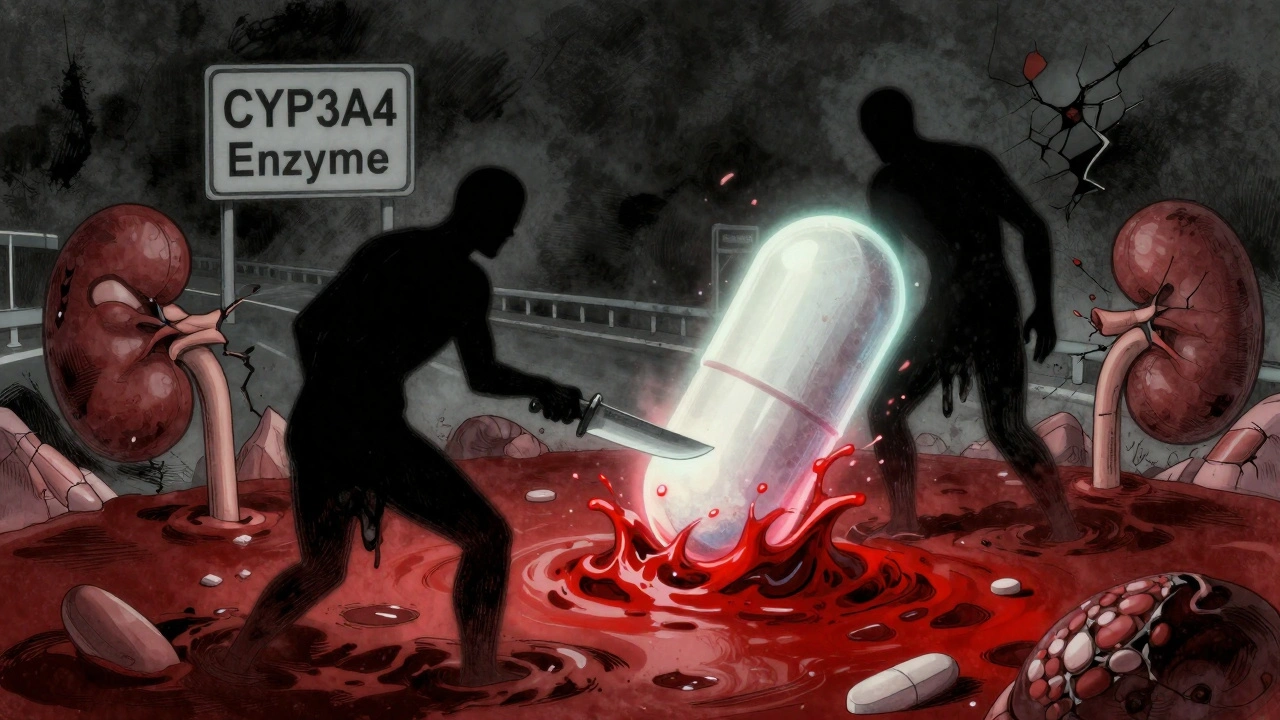
One major player in this game is CYP3A4 interactions, a liver enzyme system that breaks down over half of all prescription drugs. When something like ritonavir blocks it, drugs like lopinavir build up to dangerous levels, while others like statins or sedatives get cleared too slowly. Then there’s polypharmacy, the use of five or more medications at once. It’s common in older adults, and each extra pill increases the chance of a bad reaction. A brown bag medication review isn’t just a good idea—it’s a lifesaver when you’re juggling blood pressure pills, antidepressants, and arthritis meds.
Some risks are sneaky. Warfarin users aren’t told to avoid vitamin K—they’re told to keep it consistent. A sudden salad binge or kale smoothie can throw off your INR and send you to the ER. Methadone, often used for pain or addiction, can mess with your heart rhythm if paired with certain antibiotics or antifungals. Even something as simple as taking ibuprofen with an SSRI like sertraline can raise your bleeding risk. And don’t forget OTC switches: just because a drug is available without a prescription doesn’t mean it’s safe to mix with your other meds.
You don’t need to memorize every drug interaction. But you do need to know how to protect yourself. Keep a list of everything you take—prescription, OTC, vitamins, herbal stuff. Bring it to every appointment. Ask your pharmacist to check for clashes. Use a pill organizer with clear labels. Track changes in how you feel after starting something new. These aren’t just tips—they’re the difference between staying healthy and ending up in the hospital.
The posts below give you real, practical tools to spot, avoid, and manage drug interactions risk. From how to prepare for a brown bag review to why your vitamin K intake matters with warfarin, you’ll find clear, no-fluff advice based on current guidelines. No jargon. No guesswork. Just what you need to keep yourself and your family safe.