
Drug-drug interactions can make medications ineffective or dangerously strong. Learn how enzymes, transporters, and genetics affect how drugs work together-and what you can do to stay safe.
Drug-Drug Interactions: What You Need to Know to Stay Safe
When you take more than one medication, your body doesn’t just see them as separate pills—it sees a chemical conversation that can go wrong. A drug-drug interaction, a reaction between two or more medications that changes how they work in your body. Also known as medication interaction, it can make a drug stronger, weaker, or cause unexpected side effects like dizziness, bleeding, or heart rhythm problems. This isn’t rare. One in four adults over 65 takes five or more prescriptions, and that’s where the real risk kicks in.
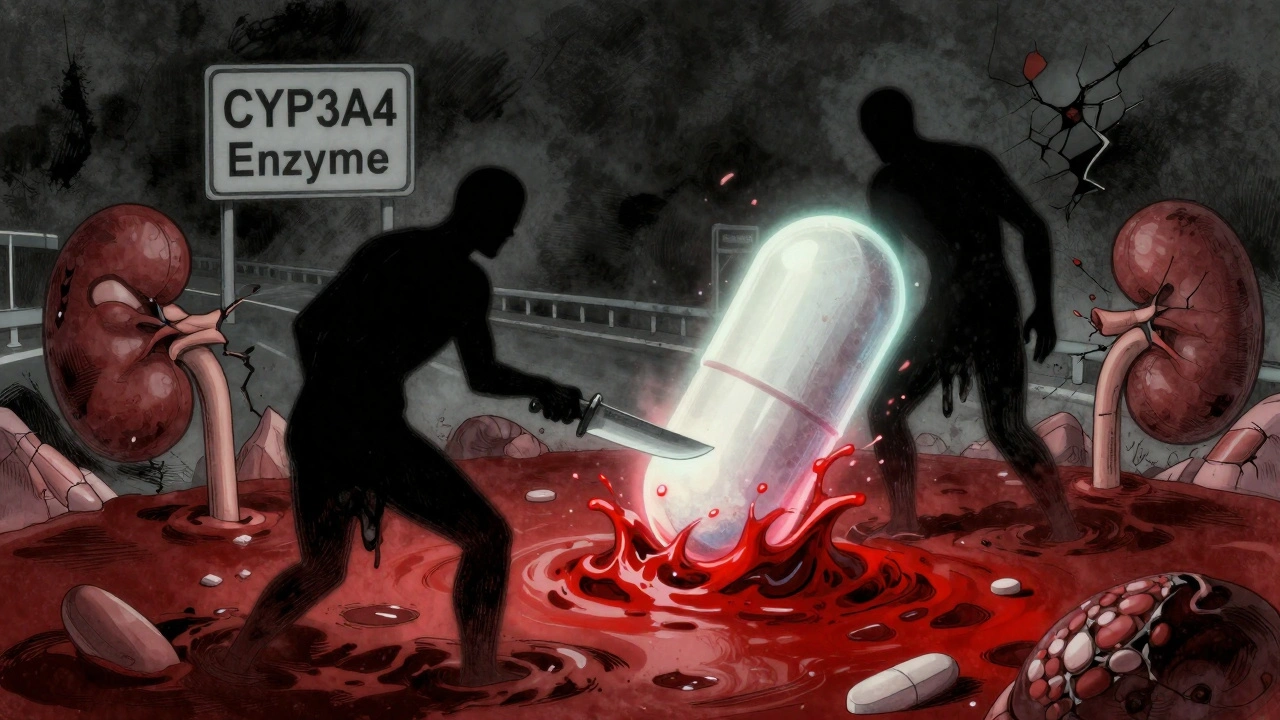
Some interactions happen because your liver gets overwhelmed. Take CYP3A4 interactions, a common metabolic pathway that breaks down over half of all prescription drugs. Drugs like ritonavir (used in HIV treatment) block this pathway, causing other meds to build up to dangerous levels. That’s why mixing methadone with certain antibiotics or antifungals can trigger a life-threatening heart rhythm. Other interactions are simpler: warfarin, a blood thinner, reacts with vitamin K in foods like kale and broccoli. Too much vitamin K can make warfarin useless. Too little can make it too strong. The key isn’t avoiding those foods—it’s keeping your intake steady.
It’s not just prescriptions. Over-the-counter painkillers, herbal supplements like St. John’s wort, and even antacids can mess with your meds. A polypharmacy, the use of multiple medications by a single patient, often older adults situation increases the chance of a hidden interaction. That’s why a brown bag medication review, a process where patients bring all their pills to a pharmacist or doctor for a full check is one of the safest things you can do. You’d be surprised what shows up in that bag—old prescriptions, leftover antibiotics, gummy vitamins, and supplements you forgot you were taking.
These aren’t theoretical risks. People end up in the ER because they didn’t know their blood pressure pill and a common cold medicine could spike their heart rate. Others suffer internal bleeding because their blood thinner wasn’t adjusted after starting a new antibiotic. The good news? Most of these are preventable. You don’t need to be a scientist to protect yourself. Just know your meds, ask your pharmacist about interactions, and never assume something is safe just because it’s sold over the counter.
Below, you’ll find real-world guides on how to spot dangerous combinations, manage multiple drugs safely, and use simple tools like food diaries and brown bag reviews to stay out of harm’s way. These aren’t theory pieces—they’re practical steps taken from actual patient stories and clinical guidelines. Whether you’re managing diabetes, heart disease, HIV, or just taking a handful of pills for aging, this collection gives you the clarity you need to avoid the next big mistake.