
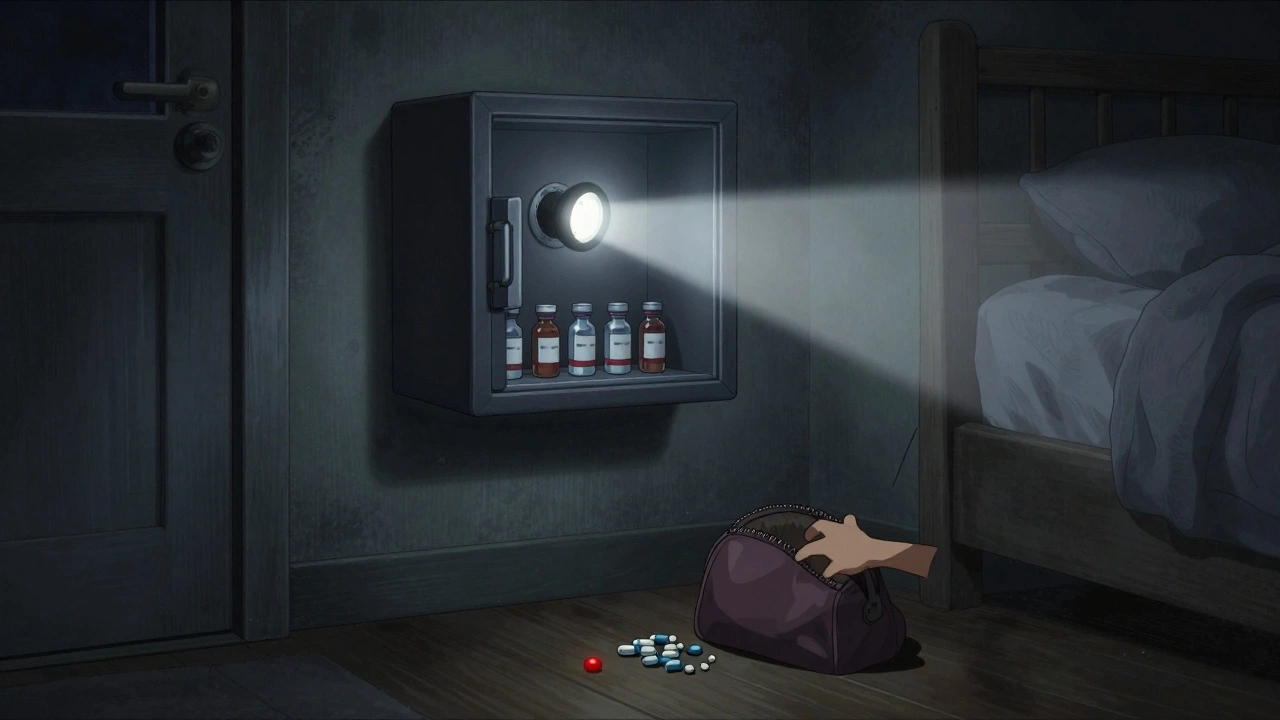
Learn how to safely store medications at home to prevent accidental poisonings, stop teen misuse, and avoid counterfeit drugs. Simple steps can protect your family and keep your pills effective.
Counterfeit Drugs: What They Are, How to Spot Them, and What to Do
When you pick up a prescription, you expect it to be safe. But counterfeit drugs, fake versions of real medications that may contain no active ingredient, the wrong dose, or toxic substances. Also known as fake medications, they’re a global problem that kills people every day. These aren’t just cheap knockoffs—they’re life-threatening. The FDA estimates that 1 in 10 medications worldwide are fake, and in some countries, it’s as high as 1 in 2. You might think it only happens overseas, but fake pills with fentanyl, cancer drugs with chalk, or antibiotics with no power are showing up in U.S. pharmacies, online stores, and even community clinics.
Counterfeit drugs don’t just miss the mark—they actively harm you. A fake version of a heart medication might not lower your blood pressure, leaving you at risk for a stroke. A fake painkiller might contain fentanyl, which can stop your breathing in minutes. And if you’re taking a fake antibiotic, you’re not just wasting money—you’re letting an infection spread because it never got treated. These aren’t hypothetical risks. In 2023, the DEA seized over 14 million fake pills containing fentanyl in the U.S. alone. Most of them were made to look like oxycodone, Xanax, or Adderall. People think they’re getting a safe prescription, but they’re playing Russian roulette with their health.
So how do you know if your medicine is real? Start with the packaging. Genuine drugs have consistent labeling, clear expiration dates, and tamper-evident seals. If the bottle looks cheap, the print is blurry, or the pills are a different color or shape than usual, stop using them. Check the pharmacy. If you’re buying online, make sure it’s a Verified Internet Pharmacy Practice Sites (VIPPS) accredited site. Ask your pharmacist to verify the source. And if your medicine suddenly stops working—or makes you feel worse—don’t ignore it. Report it to the FDA through MedWatch. Your report helps track fake drugs and protects others.
There’s a reason this topic shows up in so many of our posts—from medication safety routines to brown bag reviews and prescription transfers. drug safety, the practice of ensuring medications are effective, correctly labeled, and free from contamination or substitution isn’t just a policy issue—it’s personal. Every time you store pills in a clear container, skip a brown bag review, or buy meds from a stranger on social media, you’re increasing your risk. The posts below show you exactly how to protect yourself: how to spot fake pills, what to do if you suspect a counterfeit, how to verify your pharmacy, and why even generic drugs need to be sourced right. This isn’t about fear. It’s about control. You have the power to make sure what you take actually works—and doesn’t kill you.