
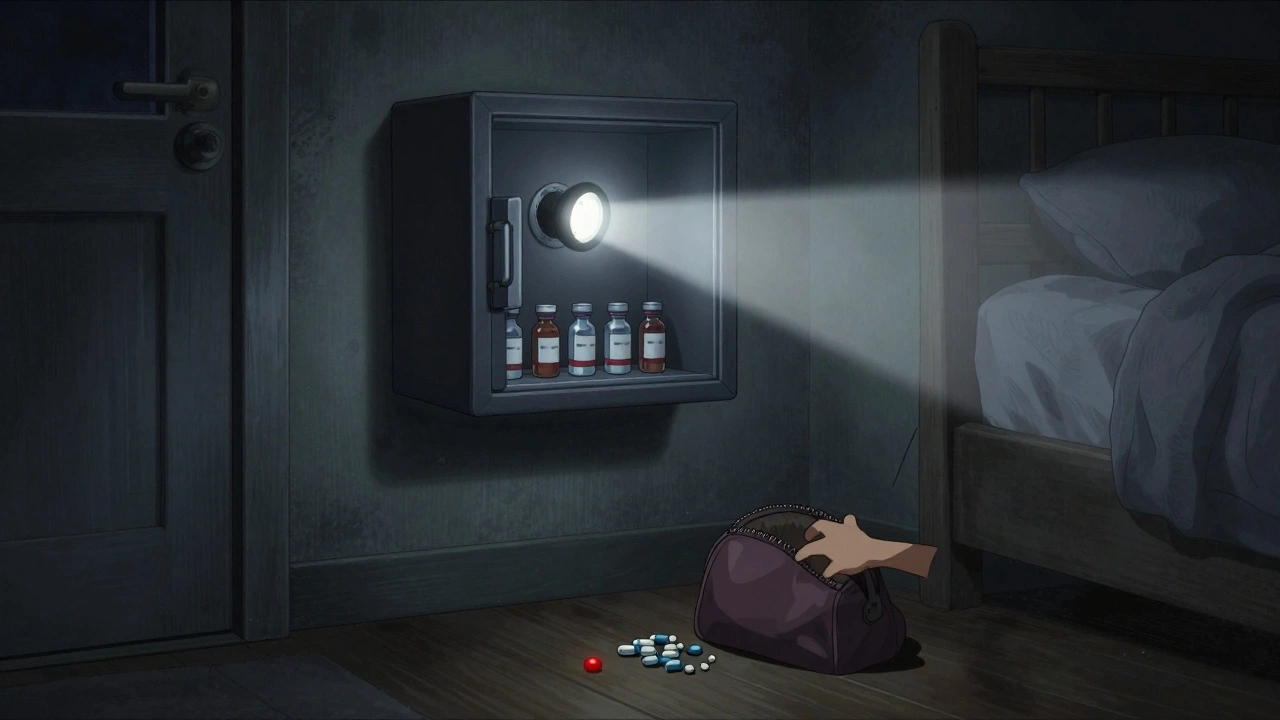
Learn how to safely store medications at home to prevent accidental poisonings, stop teen misuse, and avoid counterfeit drugs. Simple steps can protect your family and keep your pills effective.
Child-Resistant Packaging: What It Is and Why It Matters for Medication Safety
When you open a bottle of pills, you might not think about the design holding it shut—but child-resistant packaging, a safety feature required by law for many medications to prevent accidental ingestion by children. Also known as tamper-evident or child-safe packaging, it’s not just a cap you twist or push down—it’s a deliberate barrier built to stop curious hands while still letting adults access what they need. This isn’t a luxury. Every year, over 50,000 children under six end up in emergency rooms after swallowing pills they found at home. Most of those cases happen because the packaging wasn’t used properly—or wasn’t child-resistant to begin with.
Medication safety, the practice of ensuring drugs are stored, handled, and taken correctly to avoid harm starts long before you swallow a pill. It begins with how the bottle is sealed. Child-resistant packaging is designed to be difficult for children under five to open, but simple for most adults. That means pressing down while turning, squeezing sides while twisting, or using a specific sequence—things toddlers can’t figure out, but seniors with arthritis might struggle with. That’s why many packages now come with easy-open alternatives, like push-button caps or blister packs with peel-back seals, so safety doesn’t mean sacrifice.
But here’s the catch: child-resistant packaging only works if it’s used right. A cap that’s not fully closed is just an open door. We’ve seen stories where parents thought they snapped the lid shut—only to find their toddler had already emptied half the bottle. It’s not negligence. It’s distraction. Life gets busy. You’re juggling work, kids, and a million other things. But one moment of carelessness can turn a routine prescription into a life-threatening emergency. That’s why pairing child-resistant packaging with smart storage—like keeping meds locked up or out of reach—makes all the difference.
And it’s not just about kids. Seniors on multiple medications often mix up bottles. That’s why pediatric dosing, the precise measurement of liquid medications for children using syringes or dispensers tools are often sold in the same child-resistant containers. The same packaging that keeps a 3-year-old safe also helps a 70-year-old avoid double-dosing. It’s the same system serving two ends of the age spectrum.
When you buy a new prescription, check the label. Is it child-resistant? Is the cap properly secured after each use? Are you storing it in a high cabinet, not on the counter or in a purse? These aren’t just rules—they’re habits that prevent tragedies. And if you’re caring for a child, an elderly parent, or someone with memory issues, you’re not just managing meds—you’re managing risk.
Below, you’ll find real-world guides on how to handle medications safely—from using dosing syringes for kids to preventing accidental overdoses, tracking drug interactions, and making sure every pill stays where it belongs. These aren’t theoretical tips. They’re lessons drawn from emergency rooms, pharmacy reviews, and families who’ve learned the hard way. You don’t need to be a pharmacist to keep your household safe. You just need to know how to close a bottle.
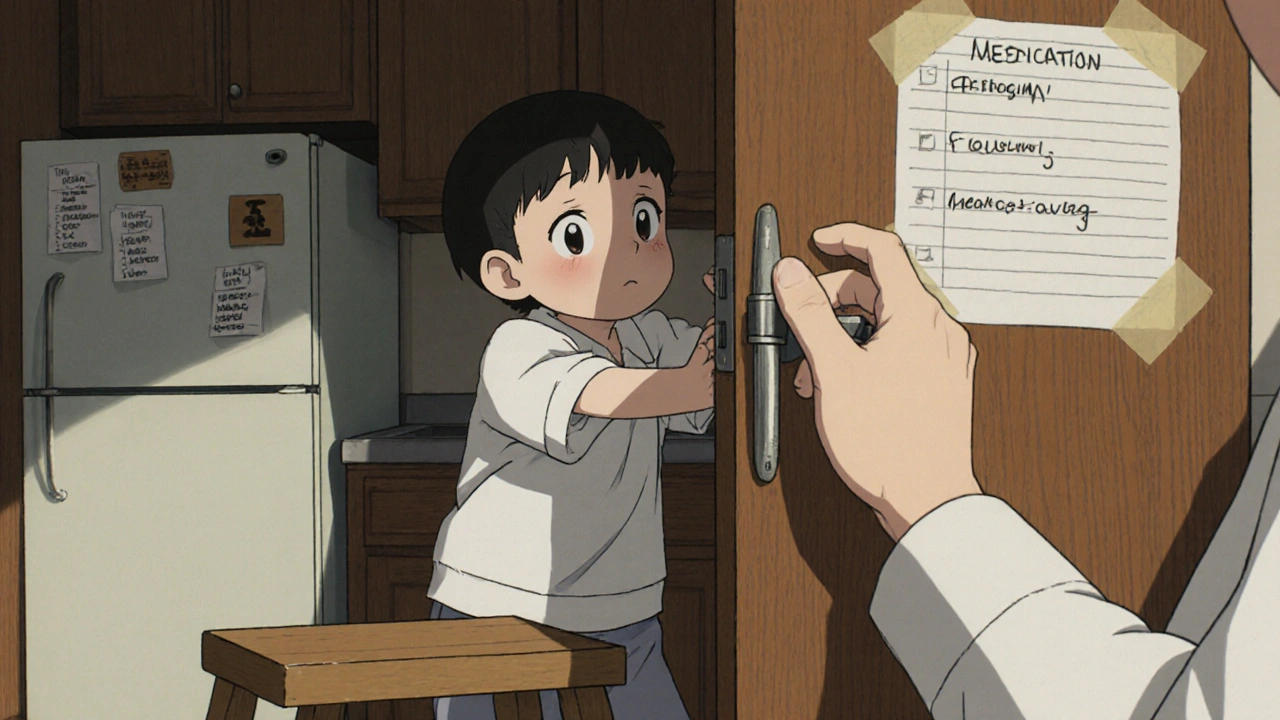
Learn how to create a safe medication routine at home to prevent accidental poisonings in kids and errors in seniors. Discover simple steps for storage, dosing, tracking, and emergency prep.