
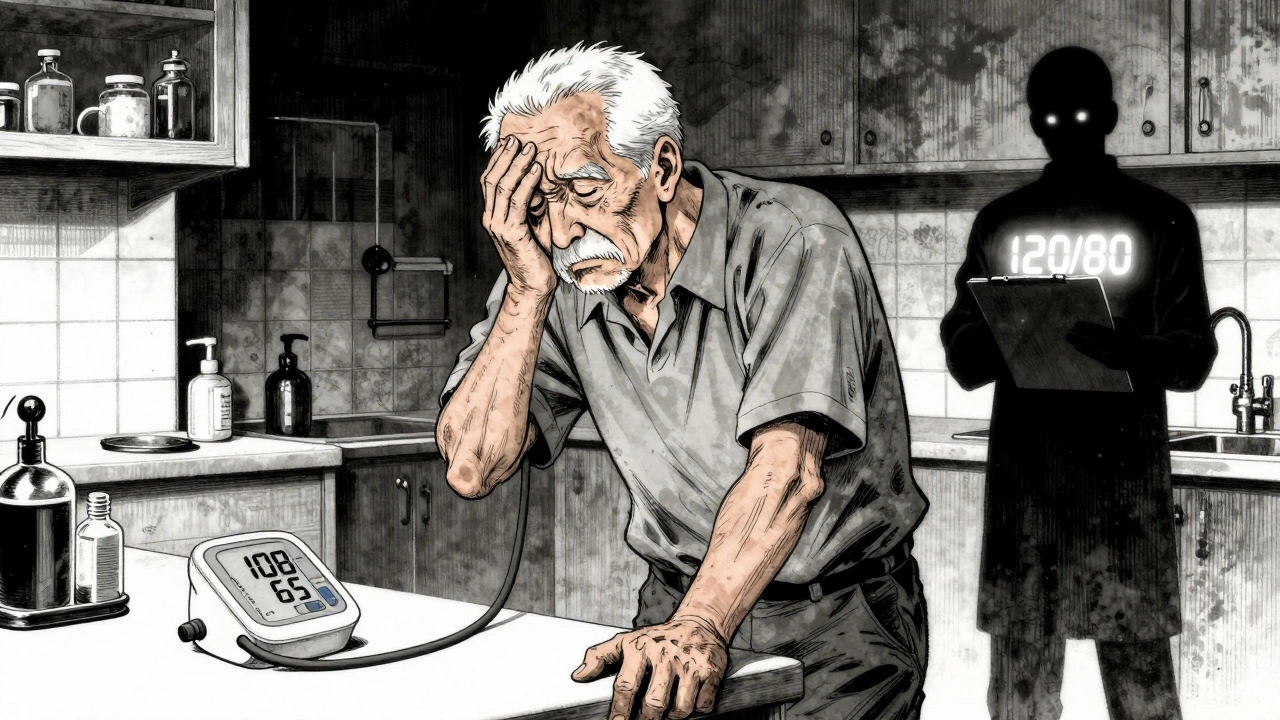
Blood pressure targets are no longer one-size-fits-all. While 120/80 is ideal for some, others may be safer with higher goals. Learn who should aim for lower numbers-and who shouldn’t.
Blood Pressure Targets: What You Need to Know to Stay Safe and Healthy
When doctors talk about blood pressure targets, the specific numbers you should aim for to reduce the risk of heart attack, stroke, and kidney damage. Also known as hypertension goals, these targets aren’t one-size-fits-all—they change based on your age, diabetes, kidney disease, or history of heart problems. If you’re over 65, your target might be different than someone in their 40s. If you have diabetes, your doctor might push you harder to keep it low. It’s not just about avoiding a headache—it’s about protecting your heart, brain, and kidneys over decades.
Most guidelines agree that for healthy adults, a systolic pressure, the top number that shows how hard your heart pushes blood through arteries under 130 mmHg is ideal. But if you’re older or have other conditions, 130–140 might be safer. The diastolic pressure, the bottom number that measures pressure between heartbeats should stay below 80 for most people. Going too low—below 110/70—can actually cause dizziness, falls, or even kidney issues in older adults. It’s a balance, not a race to the lowest number.
Why does this matter so much? Because high blood pressure doesn’t always cause symptoms, but it quietly damages your arteries. Every 20-point rise in systolic pressure doubles your risk of heart disease. That’s why tracking your numbers at home, taking meds as prescribed, and adjusting lifestyle habits—like cutting salt, moving more, and managing stress—isn’t optional. It’s survival. And it’s not just about pills. The right blood pressure targets guide everything from which drug your doctor picks to whether you need a second medication.
Some people need tighter control—like those with chronic kidney disease or after a stroke. Others, especially older adults with frailty, need gentler goals to avoid side effects like fainting or low sodium. Your targets should be personal, not pulled from a textbook. And if you’re on meds like SGLT2 inhibitors or JAK inhibitors, which affect fluid balance or kidney function, your blood pressure numbers become even more critical to monitor.
What you’ll find below are real-world stories and science-backed tips about how blood pressure targets connect to medications, lifestyle changes, and long-term health. From how QT-prolonging drugs can mess with your heart rhythm when your pressure is uncontrolled, to why a brown bag review might catch a dangerous interaction that’s pushing your numbers up—these posts give you the tools to understand not just the numbers, but what they mean for your life.