
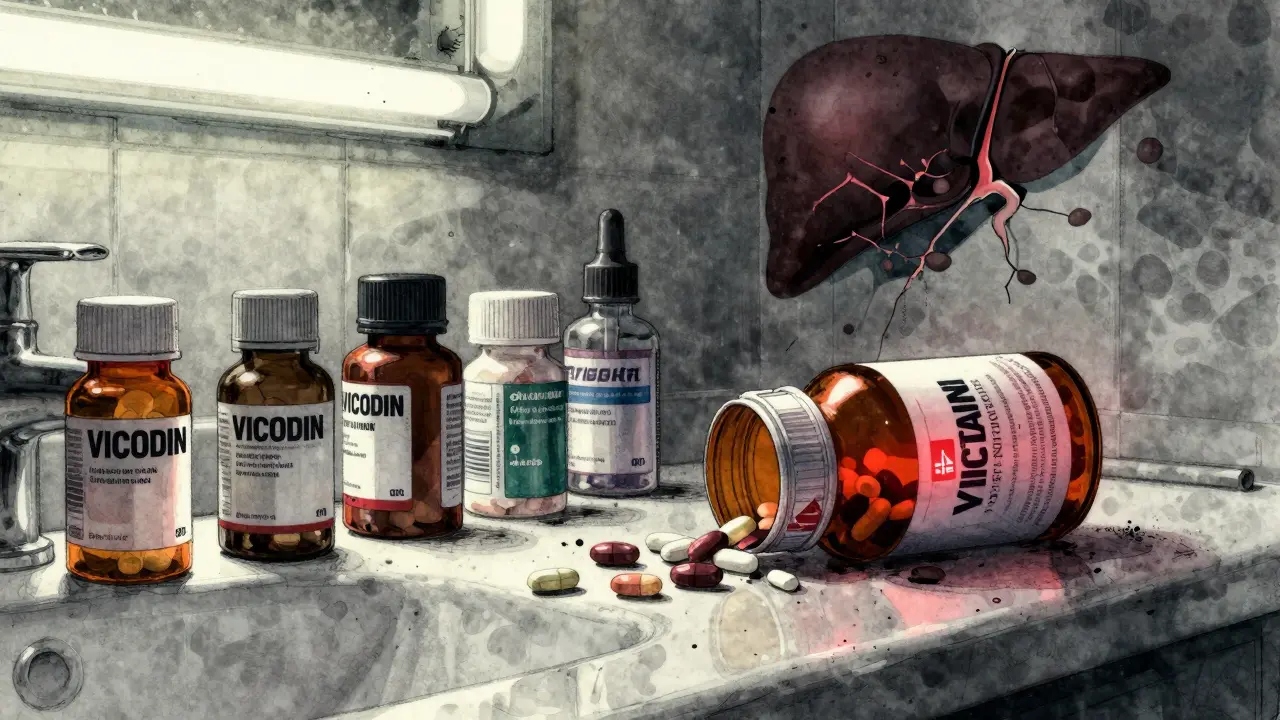
Every year, thousands of people end up in the hospital with severe liver damage-not from alcohol, not from viruses, but from a common painkiller they didn’t even realize was in their medicine cabinet. Acetaminophen is in more than 600 medications, from prescription painkillers like Vicodin and Percocet to cold medicines, sleep aids, and even some migraine pills. The problem? Most people don’t know they’re taking it more than once a day. And when they do, the consequences can be deadly.
Why Combination Products Are Dangerous
Combination products mix acetaminophen with opioids like hydrocodone or oxycodone to treat moderate to severe pain. They’re effective, but they come with a hidden risk. The opioid part gets all the attention, but it’s the acetaminophen that can quietly destroy your liver. The FDA set a maximum daily limit of 4,000 mg for adults in 2011. But many combination pills still contain 325 mg of acetaminophen per tablet. That means just 12 pills in one day hits the limit. Most people don’t count. They take one for back pain, another for a headache, and a third for a cold-all without realizing they’re stacking doses.A 2019 study in Hepatology found that nearly 3 out of 10 acetaminophen-related liver injuries came from combination products. And 68% of those cases were unintentional. People weren’t trying to overdose. They just didn’t know what they were taking.
How Acetaminophen Damages the Liver
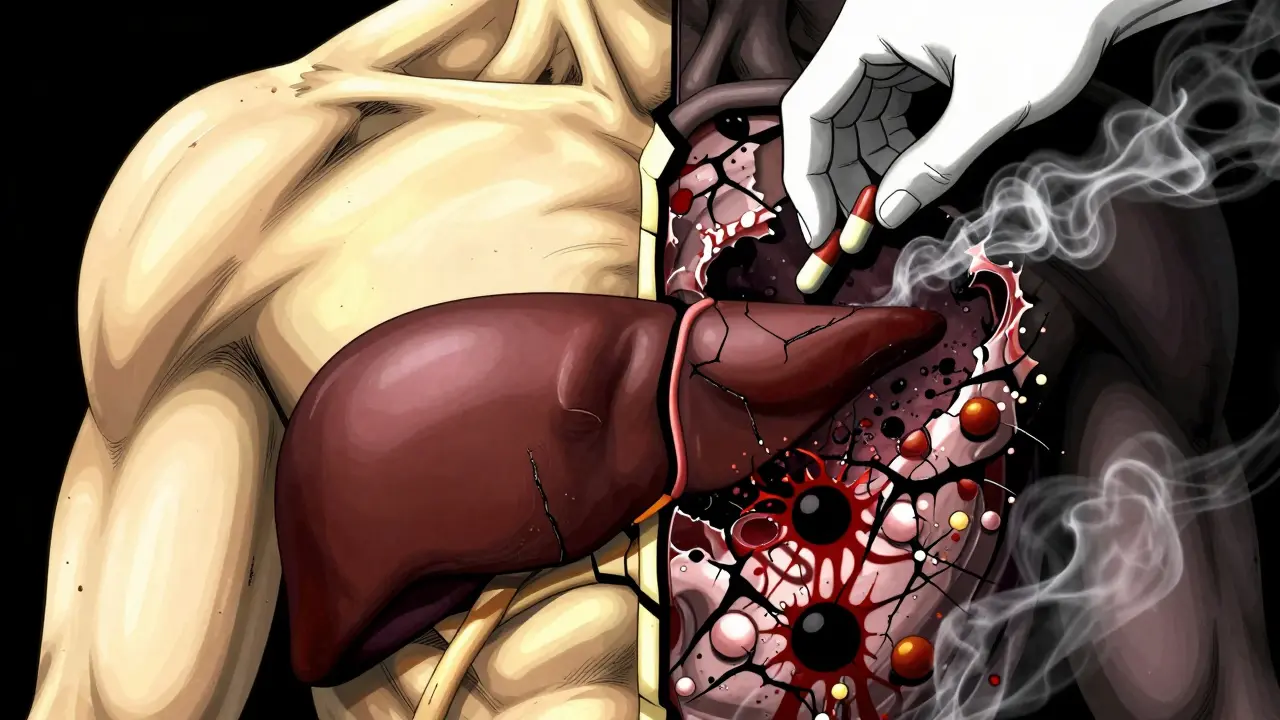
At normal doses, your liver safely breaks down acetaminophen using two main pathways: glucuronidation and sulfation. But when you take too much, those pathways get overwhelmed. The leftover acetaminophen gets converted into a toxic byproduct called NAPQI. Normally, your liver uses glutathione to neutralize NAPQI. But if you’ve taken too much acetaminophen, your glutathione runs out. Then NAPQI starts attacking liver cells, causing oxidative stress, mitochondrial failure, and cell death.This isn’t slow damage. It can happen in hours. One study showed that liver enzymes spiked within 24 hours of a single overdose. And once the damage crosses a certain point, it’s irreversible. That’s why timing matters so much-if you catch it early, you can stop it. If you wait, you might need a transplant.
What the FDA Did to Help
In 2011, the FDA acted. They required all prescription combination products to contain no more than 325 mg of acetaminophen per dose. By January 2014, every pill on the market had to comply. That cut the total acetaminophen load in many painkillers by half. It also forced manufacturers to put bigger, bolder warnings on the labels.The results? Unintentional overdoses dropped by 29% within a few years, according to the Institute for Safe Medication Practices. But it’s not enough. A 2022 FDA report still showed over 1,800 adverse events tied to these products. People are still taking multiple meds. They’re still not reading labels.
How to Protect Yourself
The best defense is awareness. Here’s exactly what you need to do:- Check every medication label. Look for “acetaminophen,” “APAP,” or “paracetamol.” If you see any of those, you’re taking acetaminophen. Don’t assume it’s just the brand name. Tylenol, Excedrin, NyQuil, Darvocet, and many others all contain it.
- Add up your daily dose. Every pill, capsule, or liquid counts. If you’re taking two Vicodin tablets (each with 325 mg), that’s 650 mg right there. If you take a cold medicine with 325 mg later, you’re at 975 mg. That’s almost a quarter of your daily limit before you even take a Tylenol.
- Never mix OTC and prescription acetaminophen. If your doctor gave you a painkiller with acetaminophen, don’t take anything else with it-even if it’s labeled “natural” or “herbal.”
- Know your limit. If you drink alcohol regularly, have liver disease, or are underweight, your safe limit is lower: 2,000 to 3,000 mg per day. Your liver doesn’t handle acetaminophen the same way.
- Use one pharmacy. Pharmacists can spot dangerous combinations. If you get all your meds from one place, they’ll flag overlaps before you even walk out the door.
What Doctors and Pharmacists Should Do
Healthcare providers have a big role. A 2018 study in Annals of Internal Medicine showed that a simple 10-minute conversation with a doctor cut unintentional overdoses by 53%. But too many doctors still assume patients know what’s in their meds.Doctors should:
- Explicitly say: “This medicine has acetaminophen. Don’t take anything else with it.”
- Use electronic health records that track total acetaminophen across all prescriptions.
- Ask patients: “Are you taking anything else for pain or fever?”
Pharmacists are the last line of defense. A 2021 study found pharmacist counseling reduced overdoses by 41%. That’s why many states now require pharmacists to review combination products with patients. If you’re getting a new prescription for hydrocodone/acetaminophen, ask your pharmacist: “How much acetaminophen is in this? Can I take Tylenol with it?”
What to Do If You Think You’ve Overdosed
If you took more than you should and you’re worried, don’t wait. Don’t hope it’ll pass. Go to the ER or call poison control immediately. The antidote-N-acetylcysteine (NAC)-works best if given within 8 hours. Even after 12 hours, it still helps. But after 24 hours, its effectiveness drops sharply.NAC isn’t magic. It doesn’t fix liver damage. But it gives your body the glutathione it needs to stop the poison from spreading. In some cases, it can mean the difference between recovery and transplant.
There’s a new option too: fomepizole, approved by the FDA in 2021. It blocks the enzyme that turns acetaminophen into NAPQI. It’s not a replacement for NAC, but when used together, especially in late-presenting cases, it can reduce severe liver injury by 32%.
What’s Coming Next
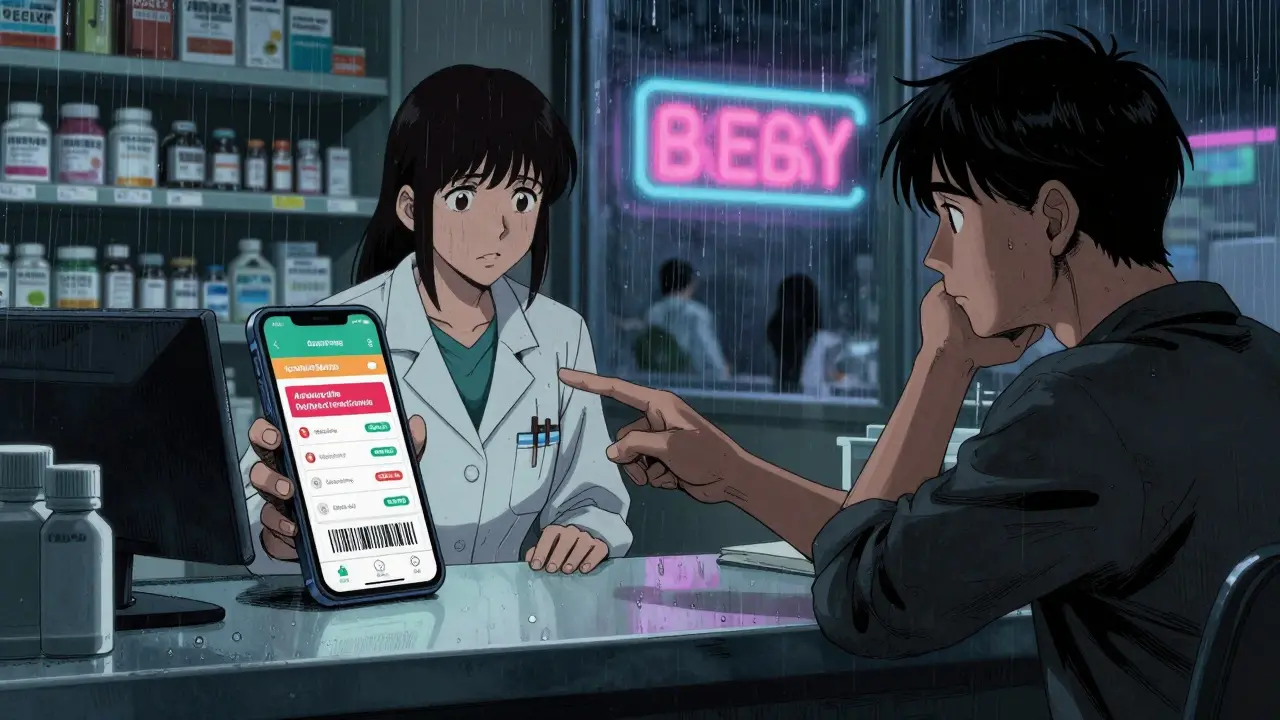
New tools are on the way. In early 2023, the FDA approved an extended-release form of NAC that lasts 12 hours instead of 4. That means patients can take fewer pills and stick to the treatment. Researchers are also testing natural compounds like emodin from rhubarb that may protect the liver before damage even starts.The most promising innovation? A smartphone app that scans barcodes on medicine bottles and tells you your total daily acetaminophen intake. Beta tests show it’s 89% accurate across 150 different products. It’s not on the market yet, but it’s coming.
Real Stories, Real Risks
On Reddit, one user wrote: “I took my Vicodin for back pain, then took a NyQuil because I had a cold. Two days later, my liver enzymes were through the roof. I didn’t even know NyQuil had acetaminophen.” That story isn’t rare. A 2021 Consumer Reports survey found only 28% of people knew the daily limit. And 43% of negative reviews on Drugs.com said they didn’t realize their prescription had acetaminophen.But there’s hope. One Amazon review said: “The new box had a big red warning: ‘Contains acetaminophen.’ I checked all my other meds. I almost overdosed.” That’s what good labeling does. It stops the mistake before it happens.
Bottom Line
Acetaminophen is safe when you know what you’re taking. It’s deadly when you don’t. You don’t need to avoid it. You just need to be smart. Always check labels. Never assume. Ask questions. Keep a list of every medicine you take-including vitamins and supplements. If you’re unsure, talk to your pharmacist. They’re trained to catch these mistakes.The numbers show it’s working: fewer overdoses, better labels, smarter tools. But the biggest change has to come from you. You’re the only one who can read the label, count the pills, and say no to that extra tablet. Your liver can’t speak up. You have to speak for it.
Can I take acetaminophen if I drink alcohol?
If you drink alcohol regularly, your liver has less glutathione, which makes it harder to process acetaminophen safely. Experts recommend limiting acetaminophen to no more than 2,000-3,000 mg per day if you drink alcohol. Even one drink a day increases your risk. If you’re unsure, talk to your doctor.
Is Tylenol safer than prescription combination products?
No. Tylenol contains the same acetaminophen as prescription pills. The danger isn’t the brand-it’s the total amount. Taking two Tylenol tablets (650 mg) plus a prescription painkiller with 325 mg can easily push you over 4,000 mg. Many overdoses happen because people think OTC means “safe to combine.” It doesn’t.
What are the early signs of acetaminophen liver damage?
In the first 24 hours, you might feel nauseous, sweaty, or tired. These symptoms are often mistaken for the flu. After 24-48 hours, pain in the upper right abdomen, yellowing of the skin or eyes (jaundice), and dark urine appear. By then, the damage is advanced. If you took too much acetaminophen and feel unwell, go to the ER-even if you feel fine.
Can I use herbal supplements with acetaminophen?
Some herbal supplements, like kava, green tea extract, and high-dose vitamin A, can stress the liver and increase acetaminophen toxicity. Others, like milk thistle, are sometimes thought to help-but there’s no strong evidence they prevent damage. Never assume herbal = safe. Always tell your doctor or pharmacist what supplements you take.
Are children at risk from acetaminophen combination products?
Children rarely get prescription combination products. But they’re at risk from liquid OTC medicines. Always use the dosing tool that comes with the bottle, never a kitchen spoon. Never give adult medicine to a child. The dose is based on weight, not age. If you’re unsure, call your pediatrician.
What if I accidentally took too much? Should I wait for symptoms?
No. Waiting is dangerous. Liver damage can happen before you feel sick. If you think you’ve taken more than 4,000 mg in 24 hours-or more than 7,000 mg in a single day-go to the ER immediately. Don’t wait for pain or nausea. Bring all your medication bottles with you. Time is critical.
Corey Sawchuk
January 17, 2026 AT 16:12Christina Bilotti
January 18, 2026 AT 00:09Riya Katyal
January 18, 2026 AT 03:01Nicholas Gabriel
January 19, 2026 AT 22:04Cheryl Griffith
January 21, 2026 AT 17:55swarnima singh
January 22, 2026 AT 04:46Isabella Reid
January 23, 2026 AT 21:56Jody Fahrenkrug
January 24, 2026 AT 19:19Allen Davidson
January 25, 2026 AT 12:26Stephen Tulloch
January 26, 2026 AT 05:13Bianca Leonhardt
January 27, 2026 AT 17:18vivek kumar
January 28, 2026 AT 07:49Henry Ip
January 28, 2026 AT 20:51waneta rozwan
January 29, 2026 AT 13:49Kasey Summerer
January 29, 2026 AT 23:25