
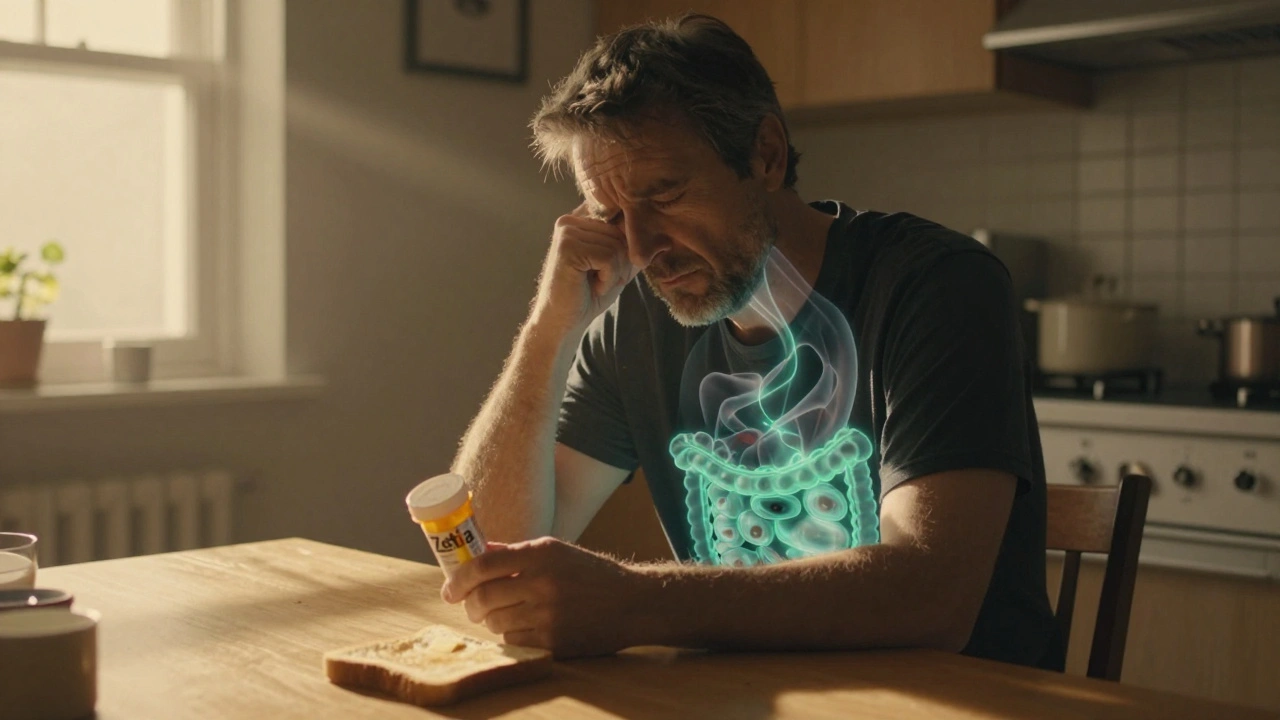
Ezetimibe is a well-tolerated cholesterol drug with mild, often temporary GI side effects like diarrhea and gas. Learn how common they are, how to manage them, and why it's a top choice for statin-intolerant patients.
Zetia Side Effects: What You Need to Know About Ezetimibe Risks and Safety
When you take Zetia, a cholesterol-lowering medication also known by its generic name ezetimibe. It's often used alongside statins to help lower LDL, or "bad" cholesterol, when statins alone aren't enough. Unlike statins that block cholesterol production in the liver, Zetia works in the gut to stop your body from absorbing dietary cholesterol. This makes it a common add-on for people who still struggle with high cholesterol despite taking a statin, or those who can't tolerate statin side effects.
Most people take Zetia without major issues, but it’s not without risks. The most common side effects include muscle pain, a known issue when combined with statins, diarrhea, and fatigue. These are usually mild, but if you notice unexplained muscle weakness, tenderness, or dark urine, stop taking it and call your doctor — it could be a sign of a rare but serious condition called rhabdomyolysis. You’re at higher risk if you’re also on a high-dose statin, have kidney disease, or are over 65. Zetia can also cause liver enzyme changes, which your doctor will monitor through routine blood tests. It’s not a drug you take and forget — regular check-ins matter.
What’s often overlooked is how Zetia interacts with other medications. It doesn’t work the same way as statins, but when paired with them, the combined effect can amplify side effects. People taking Zetia with simvastatin, for example, need lower statin doses to stay safe. It also interacts with cyclosporine and certain fibrate drugs — so always tell your pharmacist or doctor about every pill, supplement, or herb you’re using. Even something as simple as grapefruit juice can affect how your body handles these drugs. And while Zetia doesn’t usually cause memory problems or diabetes like some statins do, it’s not a magic bullet. It lowers LDL by about 15-20%, which is helpful, but lifestyle changes still matter. Eating less saturated fat, moving more, and keeping weight in check work better with Zetia than alone.
If you’re on Zetia, pay attention to how you feel. A little stomach upset? Maybe just give it time. Sudden joint pain or swelling? That’s not normal. Skin rash or trouble breathing? Get help fast — those are signs of an allergic reaction. And don’t stop taking it just because you feel fine. High cholesterol doesn’t have symptoms, but the damage it does over time does. Your doctor isn’t just prescribing a pill — they’re helping you reduce your risk of heart attack and stroke down the road. The posts below cover real cases, what to track, how to talk to your pharmacist about interactions, and how Zetia fits into broader cholesterol management — including when it’s worth it and when it’s not. You’ll find practical advice from people who’ve been there, and clear info on what to watch for, what to ask, and how to stay in control of your health.