
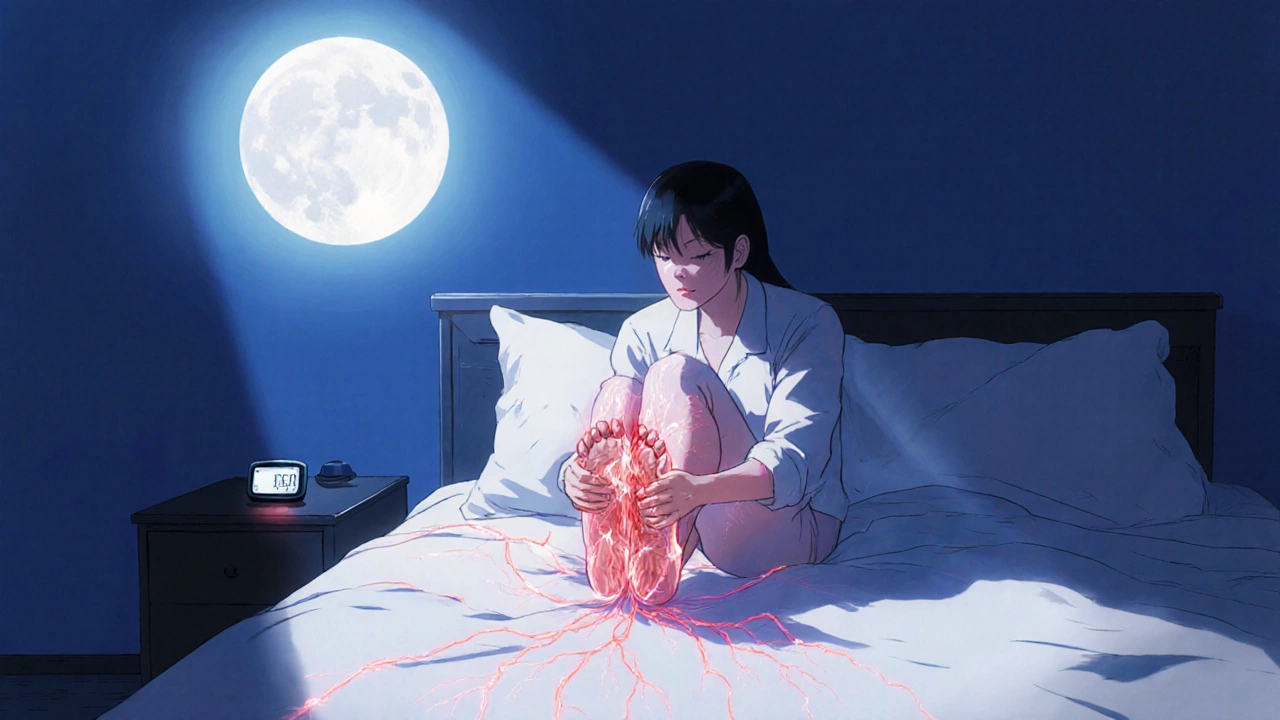
Learn how to manage diabetic neuropathy pain and protect your nerves with blood sugar control, proven medications, topical treatments, and lifestyle changes. Stop the damage before it's too late.
Peripheral Neuropathy: Causes, Management, and What You Can Do
When your peripheral neuropathy, damage to the nerves outside the brain and spinal cord that causes pain, numbness, or weakness in the hands and feet. Also known as nerve damage, it doesn’t just feel annoying—it can make walking, holding objects, or sleeping impossible. It’s not a single disease but a symptom of something else—often diabetes, vitamin deficiencies, or reactions to certain meds. If you’ve noticed your toes going numb or your fingers tingling for no reason, you’re not imagining it. About 20 million people in the U.S. have it, and many don’t even know why.
One of the most common causes is diabetic neuropathy, nerve damage caused by high blood sugar over time. It’s not just about sugar levels—it’s about how long they’ve been high. Even if your A1C is in range now, past spikes can still be damaging nerves. Other triggers include chemotherapy, alcohol overuse, and autoimmune disorders. Some meds, especially older ones for HIV or seizures, can also cause it. That’s why a brown bag medication review, a process where patients bring all their pills to a pharmacist or doctor to check for harmful interactions is so important. You might be taking something that’s slowly hurting your nerves and not even realize it.
Managing peripheral neuropathy isn’t just about painkillers. It’s about stopping the damage before it gets worse. Controlling blood sugar, fixing vitamin B12 levels, cutting out alcohol, and avoiding toxins can slow or even reverse early damage. Pain relief? Some people find help with gabapentin or duloxetine—but those come with their own risks. That’s why knowing how to pair meds with daily habits, like taking pills after brushing your teeth, helps you stay consistent. Missing doses makes symptoms worse. And if you’re on multiple drugs, a medication therapy management, a service where pharmacists review your entire drug list to improve safety and effectiveness can catch hidden dangers before they cause more nerve harm.
You’ll also find posts here about how to avoid medication errors at home, especially if you’re older or juggling several prescriptions. A simple mix-up with a pill organizer or wrong dose can make neuropathy pain spike. And if you’re using OTC pain relievers long-term, you might be trading one problem for another—like liver damage or stomach bleeding. The goal isn’t just to numb the pain, but to protect your body while you heal.
What you’ll find below isn’t theory—it’s real advice from people who’ve lived with this. From practical tips on foot care to how to talk to your pharmacist about safer alternatives, these posts give you the tools to take back control. No fluff. No jargon. Just what works.