
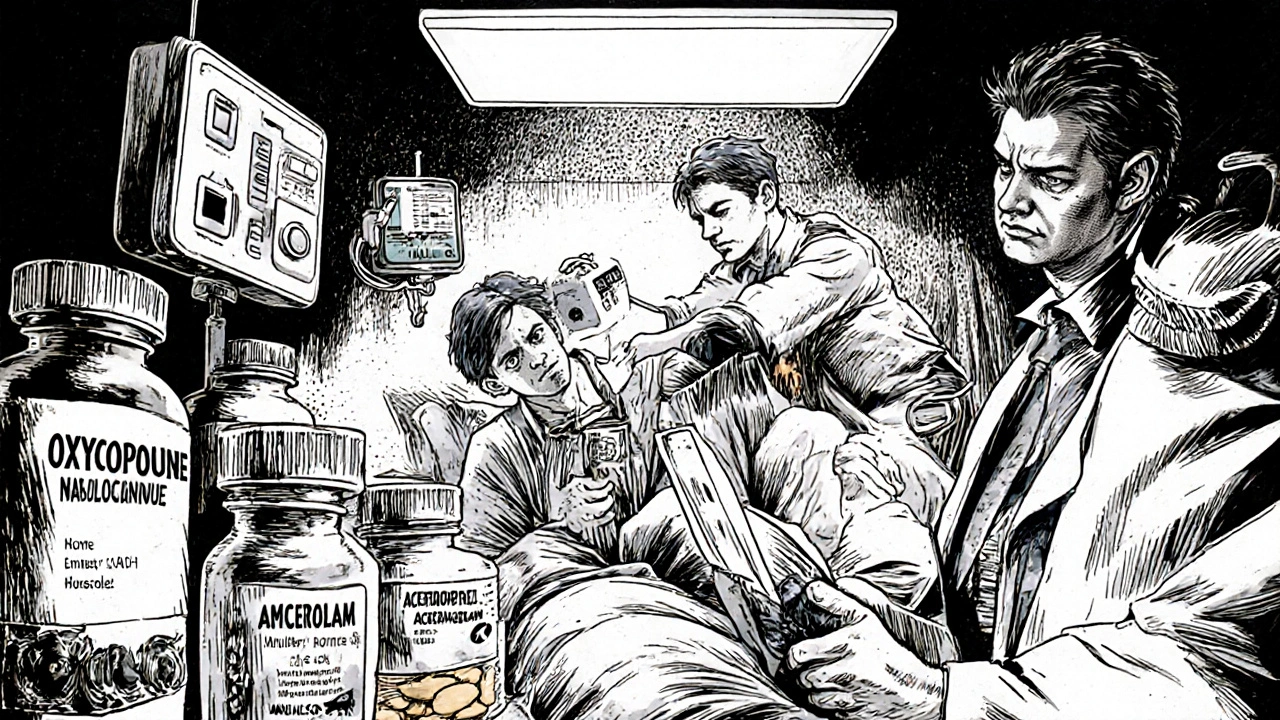
Multiple drug overdoses are complex medical emergencies requiring immediate, coordinated treatment. Learn how naloxone, acetylcysteine, and hospital protocols save lives when opioids, acetaminophen, and benzodiazepines are mixed.
Opioid Overdose: Signs, Risks, and How to Respond
When someone experiences an opioid overdose, a life-threatening condition caused by too much opioid in the body, leading to slowed or stopped breathing. Also known as drug overdose, it happens when the brain’s ability to control breathing is shut down—often silently, and often in places where help isn’t nearby. This isn’t rare. In 2023, over 70,000 opioid-related deaths occurred in the U.S. alone. Many of these involved fentanyl, a synthetic opioid 50 times stronger than heroin, often mixed into pills users think are safe.
The biggest risk? People don’t realize they’re taking opioids at all. Fake pills labeled as oxycodone or Xanax can contain lethal doses of fentanyl. Even someone who’s used opioids before can overdose if the strength changes. And if they’re alone? They might not make it to help in time. That’s why knowing the signs matters: blue or gray lips, slow or no breathing, gurgling sounds, unresponsiveness. These aren’t just symptoms—they’re emergency signals. Every minute counts.
There’s a tool that can reverse this. naloxone, a medication that blocks opioids from brain receptors and can restore breathing within minutes. Also called Narcan, it’s available over the counter in most states and can be carried like an EpiPen. It doesn’t work on other drugs like cocaine or alcohol, but for opioids, it’s a miracle. And it’s safe—even if you’re wrong about the overdose, giving naloxone won’t hurt someone who didn’t take opioids. Training isn’t complicated. You don’t need to be a nurse. You just need to know how to recognize the signs and how to use the spray or injection. Communities that hand out naloxone and teach its use see fewer deaths.
People struggling with opioid addiction, a chronic brain disorder where use continues despite harm. Also known as substance use disorder, it’s not a moral failure—it’s a medical condition. Many who overdose have been using for years, often after being prescribed painkillers. Treatment exists: medication like methadone or buprenorphine helps stabilize the brain, and counseling supports recovery. But without access to care, relapse and overdose remain real risks. Prevention isn’t just about avoiding drugs. It’s about having naloxone on hand, checking pills with test strips, never using alone, and knowing how to call 911 without fear. In many places, Good Samaritan laws protect people who call for help during an overdose.
What you’ll find in the posts below are clear, practical guides on how opioids affect the body, how to spot an overdose before it’s too late, what medications like methadone do, and how to use naloxone correctly. No fluff. No jargon. Just what you need to know to act fast when it matters most.