
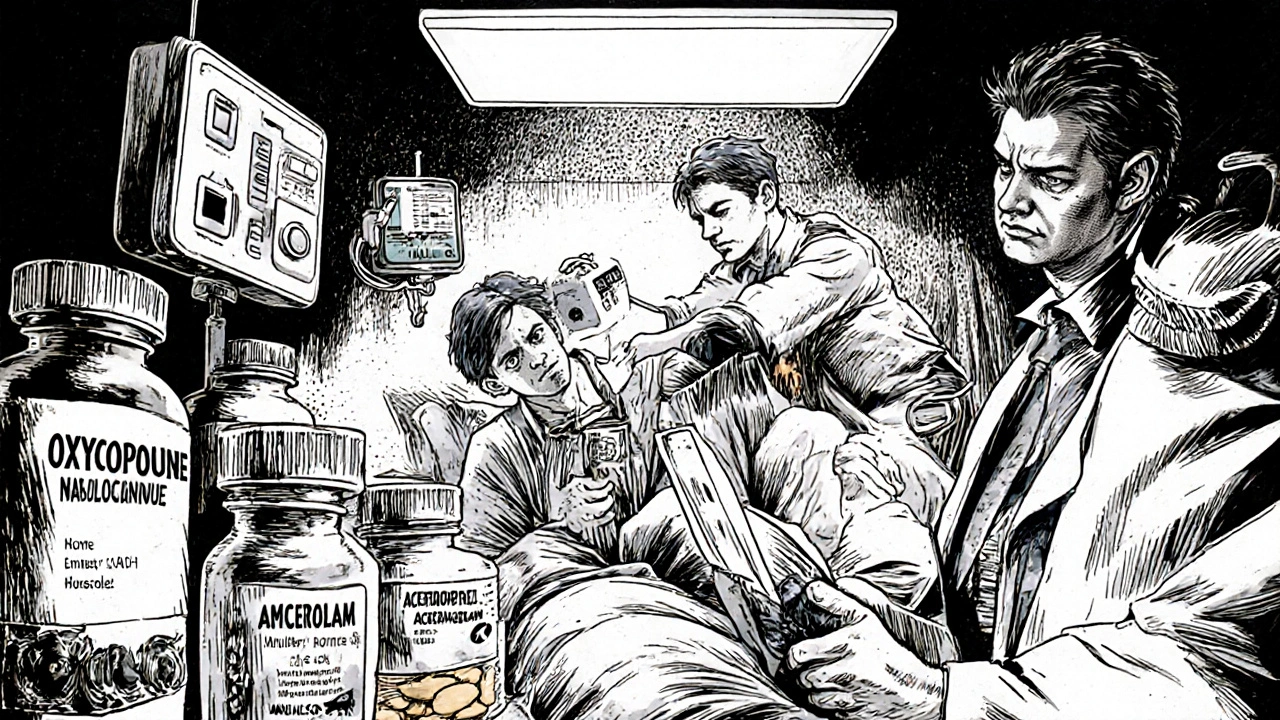
Multiple drug overdoses are complex medical emergencies requiring immediate, coordinated treatment. Learn how naloxone, acetylcysteine, and hospital protocols save lives when opioids, acetaminophen, and benzodiazepines are mixed.
Multiple Drug Overdose: Causes, Risks, and What to Do
When someone takes multiple drug overdose, the accidental or intentional consumption of two or more drugs at once to a toxic level. Also known as polypharmacy overdose, it’s one of the leading causes of preventable death in adults under 50. It doesn’t always mean taking illegal drugs—often, it’s mixing prescription painkillers with sleep aids, alcohol with anxiety meds, or even over-the-counter cold pills with antidepressants. The body can’t process all these chemicals at once, and the result isn’t just feeling sick—it can shut down your breathing, heart, or brain.
Drug interactions, when two or more substances change how each other works in your body. Also known as pharmacological interactions, it is the hidden engine behind most multiple drug overdoses. For example, taking methadone with a QT-prolonging heart drug can trigger a deadly heart rhythm. Mixing lopinavir/ritonavir with other meds can spike drug levels to dangerous highs. Even something as simple as taking ranitidine with certain painkillers can slow digestion enough to cause a buildup. These aren’t rare edge cases—they happen every day because people assume if a drug is legal or prescribed, it’s safe to combine.
Overdose symptoms, the physical signs your body gives when overwhelmed by too many drugs. Also known as toxic reaction, include slowed or stopped breathing, blue lips or fingernails, unresponsiveness, extreme drowsiness, vomiting, and seizures. Many people wait too long to act, thinking the person will "sleep it off." But with multiple drug overdose, minutes matter. If someone’s unresponsive and breathing shallowly, calling 911 isn’t enough—you need to give naloxone if it’s an opioid mix, keep them on their side, and stay with them until help arrives.
The real danger isn’t just the drugs themselves—it’s how often they’re combined without knowing the risks. A 2025 study showed that over 60% of overdose deaths involved three or more substances, including common prescriptions like benzodiazepines, opioids, and antidepressants. Insurance formularies, generic substitutions, and OTC switches make it easier than ever to accidentally stack dangerous combinations. Your pharmacist can help spot these, but only if you tell them everything you’re taking—including vitamins, supplements, and alcohol.
Below, you’ll find real-world guides on how to avoid these traps. Learn how to safely transfer prescriptions without label errors, why authorized generics matter in dosing, how to spot dangerous interactions like methadone with heart meds, and what to do if you’re taking multiple drugs at once. These aren’t theoretical warnings—they’re life-saving steps based on current FDA and DEA rules, clinical data, and patient experiences. If you or someone you know is taking more than three medications regularly, this collection could be the difference between a close call and a tragedy.