
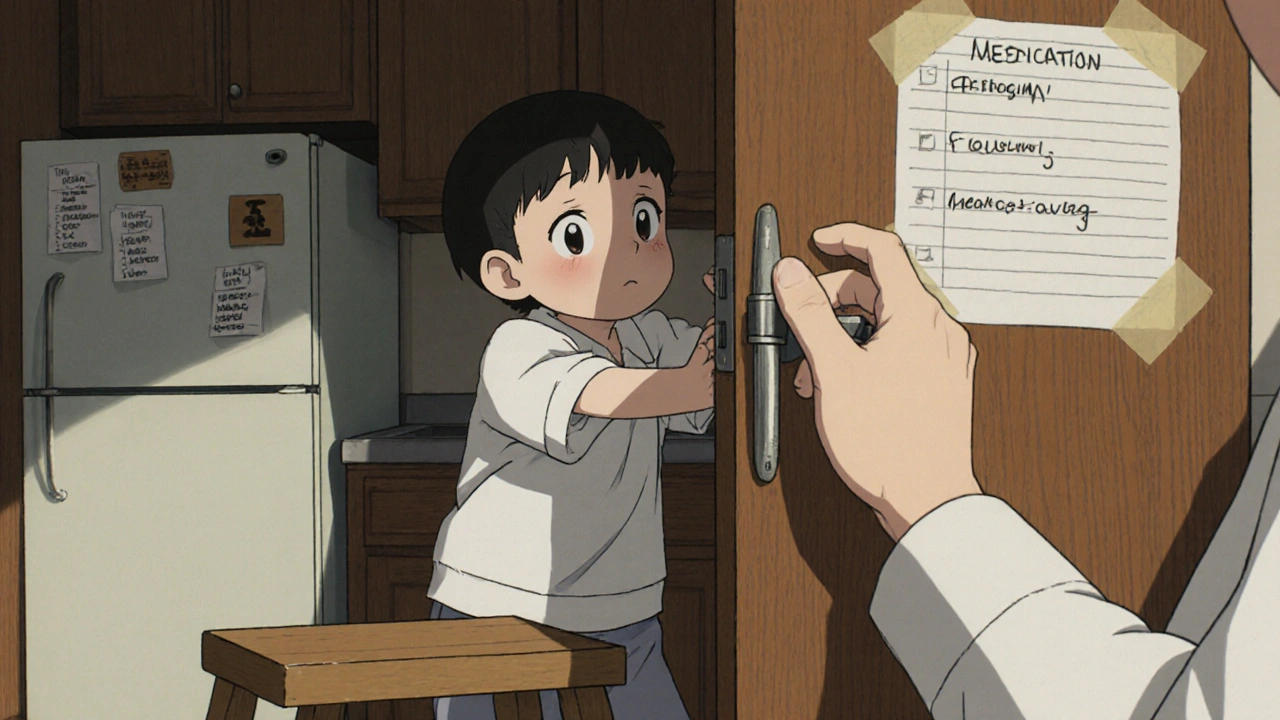
Learn how to create a safe medication routine at home to prevent accidental poisonings in kids and errors in seniors. Discover simple steps for storage, dosing, tracking, and emergency prep.
Medication Errors: How to Spot, Prevent, and Fix Common Mistakes
When you take a pill, it’s easy to assume it’s safe—until something goes wrong. Medication errors, mistakes in prescribing, dispensing, or taking drugs that lead to harm. Also known as drug errors, they’re not rare accidents—they’re systemic problems that happen in homes, pharmacies, and hospitals every day. One wrong dose, one missed interaction, one unclear label—and it’s enough to send someone to the ER. The worst part? Most of these errors are completely preventable.
Drug interactions, when two or more medications react in a harmful way inside your body are behind many of these mistakes. Think of someone on warfarin who suddenly eats a big salad without realizing vitamin K can undo the drug’s effect. Or an older adult juggling five prescriptions, none of which their doctor ever reviewed together. That’s where medication safety, the practice of reducing risks when using drugs through checks, education, and clear communication becomes critical. It’s not just about the pills—it’s about the system around them. Tools like the brown bag medication review, a simple process where patients bring all their meds to a provider for a full check, have cut errors by nearly 40% in seniors. And polypharmacy, the use of multiple medications at once, often unnecessarily, isn’t just a buzzword—it’s a ticking time bomb for people over 65.
But here’s the truth: you don’t need to wait for a doctor to fix this. You can start today. Writing down every pill you take—even the ones you only use sometimes—can catch mistakes before they happen. Pairing your meds with daily habits like brushing your teeth makes it easier to remember. Knowing what your insurance actually covers helps you avoid switching to the wrong generic. And if you’re on multiple drugs, asking for a medication reconciliation, a formal process where your meds are compared across all providers to find gaps or overlaps isn’t being difficult—it’s being smart.
These aren’t abstract ideas. They’re the same patterns you’ll see in the articles below: people who used food diaries to stay safe on blood thinners, parents who avoided deadly dosing errors with syringes, seniors who stopped hospital visits by bringing their brown bag to their pharmacist. This collection doesn’t just describe problems—it shows you exactly how to fix them. No fluff. No theory. Just what works, in real life, with real drugs, for real people.