
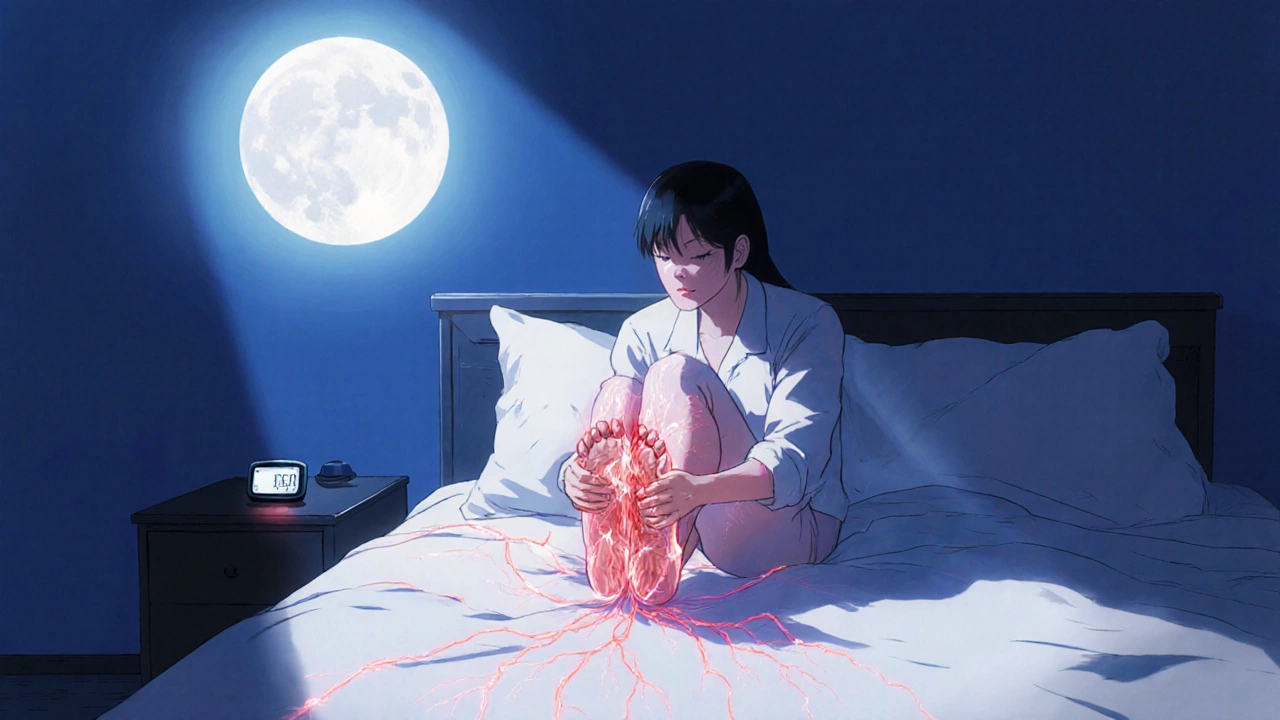
Learn how to manage diabetic neuropathy pain and protect your nerves with blood sugar control, proven medications, topical treatments, and lifestyle changes. Stop the damage before it's too late.
Diabetes Pain Management: Practical Ways to Ease Nerve Pain and Protect Your Nerves
When you have diabetes, a condition where high blood sugar damages nerves over time. Also known as diabetic neuropathy, it’s one of the most common and painful long-term side effects. This isn’t just tingling or numbness—it’s burning, stabbing, or electric shock-like pain that can make walking, sleeping, or even wearing socks unbearable. The good news? You can take real steps to ease this pain and stop it from getting worse.
Managing diabetic neuropathy, nerve damage caused by prolonged high blood sugar starts with one thing: blood sugar control, keeping glucose levels steady to prevent further nerve injury. It’s not about perfection—it’s about consistency. Studies show that people who keep their A1C below 7% cut their risk of nerve damage by up to 60%. But even if damage is already there, lowering sugar levels can still slow the pain and sometimes improve symptoms. You don’t need fancy supplements or expensive treatments. Simple habits—like eating regular meals, avoiding sugary drinks, and checking your levels daily—make the biggest difference.
Then there’s the pain itself. nerve pain, a type of chronic pain caused by damaged nerves sending wrong signals to the brain doesn’t respond to regular painkillers like ibuprofen. That’s why so many people with diabetes feel stuck. But there are proven ways to get relief. Some find comfort with low-dose antidepressants or anti-seizure meds that calm overactive nerves. Others use topical creams with capsaicin or lidocaine. Even walking 30 minutes a day helps—movement improves blood flow to nerves and reduces stiffness. And don’t ignore your feet. Checking them daily for cuts, blisters, or swelling can prevent infections that turn small problems into big ones.
What you won’t find in most guides? Quick fixes. This isn’t about miracle cures. It’s about stacking small, smart actions: checking your blood sugar, moving your body, protecting your skin, and talking to your doctor about options that actually work. The posts below give you real, no-fluff advice from people who’ve been there—how to use a foot care routine that sticks, what medications help without side effects, and how to spot warning signs before pain gets worse. You’re not alone in this. And you don’t have to just live with the pain.