
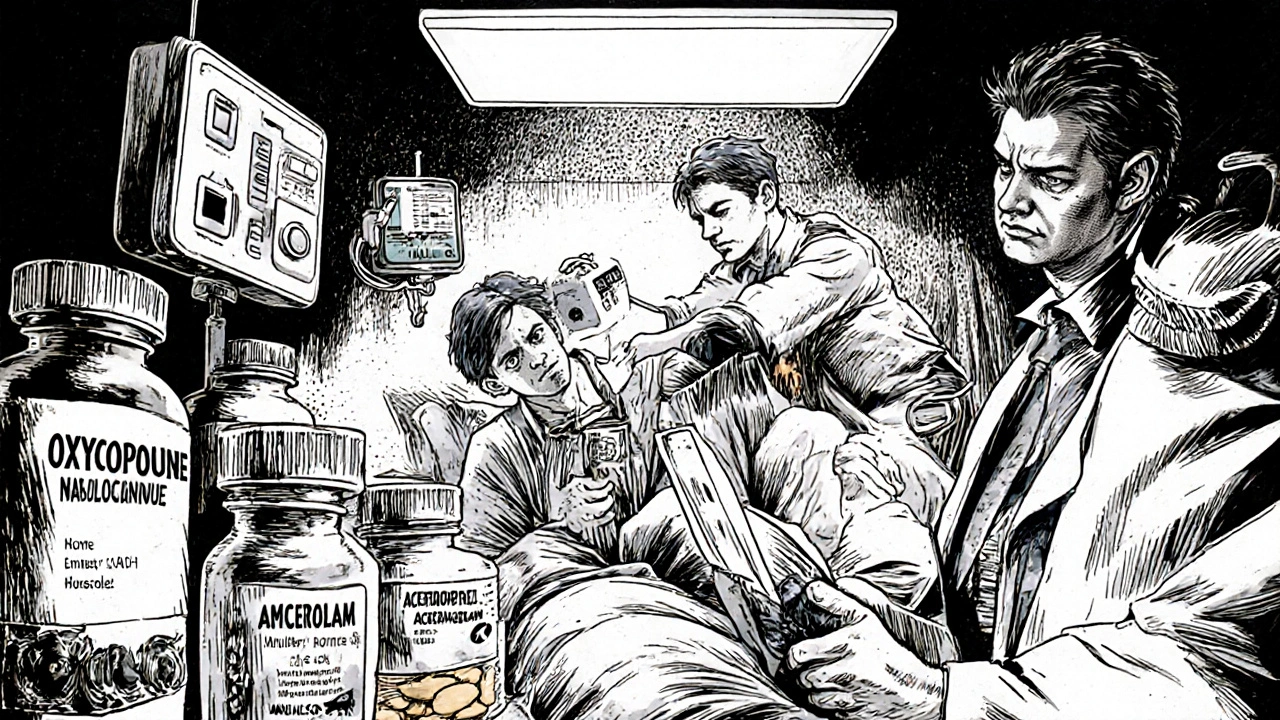
Multiple drug overdoses are complex medical emergencies requiring immediate, coordinated treatment. Learn how naloxone, acetylcysteine, and hospital protocols save lives when opioids, acetaminophen, and benzodiazepines are mixed.
Benzodiazepine Overdose: Signs, Risks, and What to Do
When someone takes too much of a benzodiazepine, a class of central nervous system depressants used to treat anxiety, seizures, and insomnia. Also known as benzos, they include drugs like diazepam, alprazolam, and lorazepam. These medications slow brain activity, and when taken in excess, they can shut down critical functions like breathing. A benzodiazepine overdose, a life-threatening reaction to excessive use of these drugs doesn’t always look like a dramatic collapse. Often, it starts with extreme drowsiness, confusion, or slurred speech—symptoms easily mistaken for just being "high" or drunk.
The real danger comes when respiratory depression, a dangerous drop in breathing rate caused by CNS suppression sets in. This isn’t rare. In fact, most fatal benzodiazepine overdoses happen when these drugs are mixed with opioids, alcohol, or other sedatives. The combination multiplies the risk. You don’t need to take a huge dose—sometimes just one extra pill, especially with alcohol, is enough. People with chronic pain, mental health conditions, or those taking multiple prescriptions are at higher risk, often without realizing how dangerous the combo is.
Unlike opioid overdoses, naloxone, a medication that reverses opioid effects won’t fix a pure benzodiazepine overdose. That’s why timing matters. If someone is unresponsive or breathing shallowly after taking benzos, call 911 immediately. Don’t wait for them to "sleep it off." Emergency teams can give flumazenil—a specific antidote—but only in controlled settings. In the meantime, keeping the person on their side and monitoring breathing can prevent choking or oxygen loss.
What you’ll find below are real, practical guides based on recent clinical data and pharmacy expertise. You’ll learn how to spot early signs of overdose, why mixing benzos with other drugs is so risky, how to safely manage prescriptions, and what alternatives exist for long-term anxiety or sleep issues. These aren’t theory pieces—they’re tools for patients, caregivers, and anyone who wants to avoid a crisis before it starts. Whether you’re managing your own meds, helping a loved one, or just trying to understand the real risks, this collection gives you what you need to act—fast and right.