
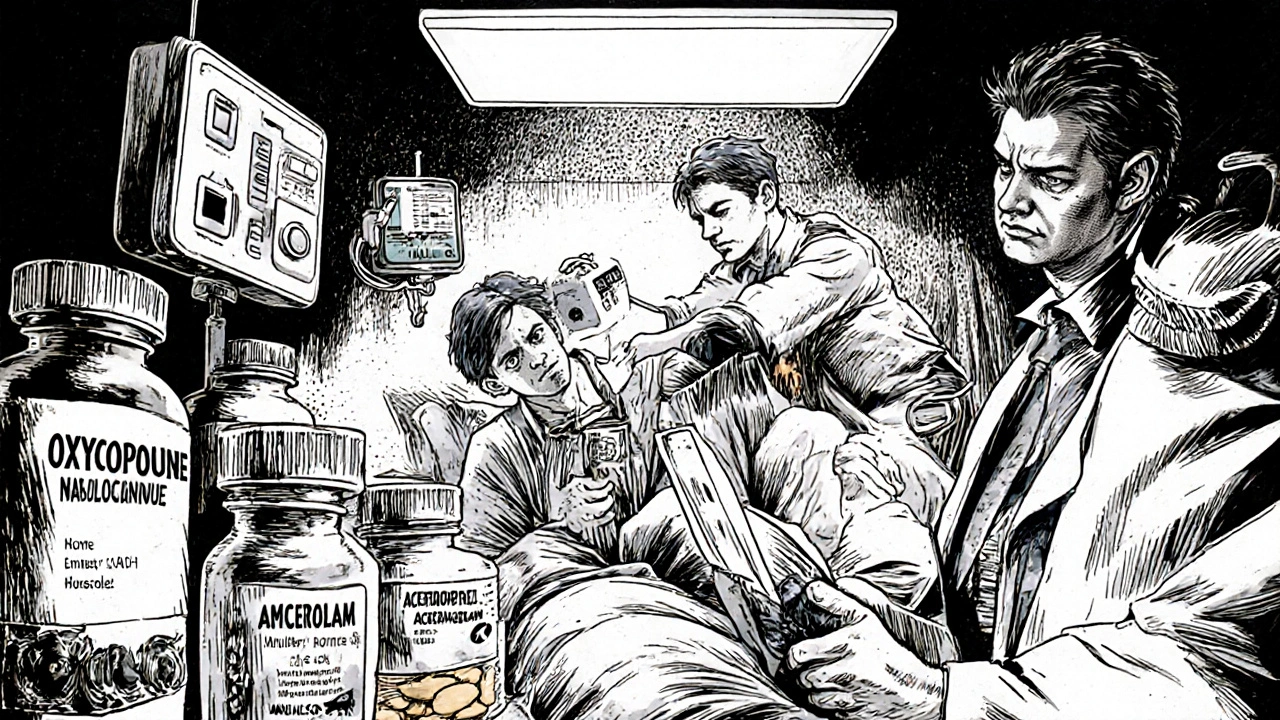
Multiple drug overdoses are complex medical emergencies requiring immediate, coordinated treatment. Learn how naloxone, acetylcysteine, and hospital protocols save lives when opioids, acetaminophen, and benzodiazepines are mixed.
Acetaminophen Toxicity: Signs, Risks, and What to Do If You've Taken Too Much
When you reach for a bottle of acetaminophen, a widely used pain reliever and fever reducer found in over 600 medications. Also known as paracetamol, it's one of the most common causes of accidental poisoning worldwide. It’s in your cold medicine, your migraine pills, your nighttime sleep aid—and that’s the problem. People think it’s safe because it’s sold over the counter. But too much? It doesn’t just hurt your stomach. It kills your liver.
Liver damage, the primary consequence of acetaminophen overdose doesn’t show up right away. You might feel fine for hours, even a full day. Then nausea hits. Then vomiting. Then confusion. By then, the damage is often severe. The liver doesn’t scream—it just stops working. One study found that nearly half of all acute liver failure cases in the U.S. are tied to acetaminophen, and most of those are unintentional. People don’t mean to overdose. They take an extra pill because the pain didn’t go away. They mix it with a cold medicine that also contains it. They don’t realize their daily dose is already over the limit.
Drug overdose, whether accidental or intentional, often happens because people don’t know how acetaminophen builds up. The safe daily limit? 4,000 milligrams for most adults. But if you’re overweight, drink alcohol regularly, or take other meds that affect liver enzymes, that limit drops fast. Even 7,000 mg in one day can be deadly. And it’s not just pills—some liquid formulations for kids are dangerously concentrated. A single extra teaspoon can push a child into toxicity.
What you need to know isn’t just theory. It’s practical. If you take acetaminophen daily for back pain, check every label. If you’ve had a few drinks tonight, skip the Tylenol. If you feel off after taking a few pills—don’t wait. Go to the ER. There’s an antidote, but it only works if you get there early. Waiting until you’re jaundiced or vomiting blood is too late.
This collection of posts doesn’t just talk about acetaminophen toxicity in isolation. It connects to real-world scenarios: how painkillers interact with other meds, how dosing errors happen in households, how insurance and pharmacy systems can accidentally contribute to overuse, and how to spot hidden acetaminophen in combination products. You’ll find guides on safe dosing, how to read labels like a pro, what to do when a child gets into medicine, and how to avoid the silent danger of overlapping ingredients.
Acetaminophen isn’t the enemy. It’s one of the most useful tools we have for pain and fever. But like any tool, it’s dangerous in the wrong hands—or in the wrong dose. The goal here isn’t to scare you. It’s to make sure you know exactly what you’re taking, how much is too much, and what to do before it’s too late.