
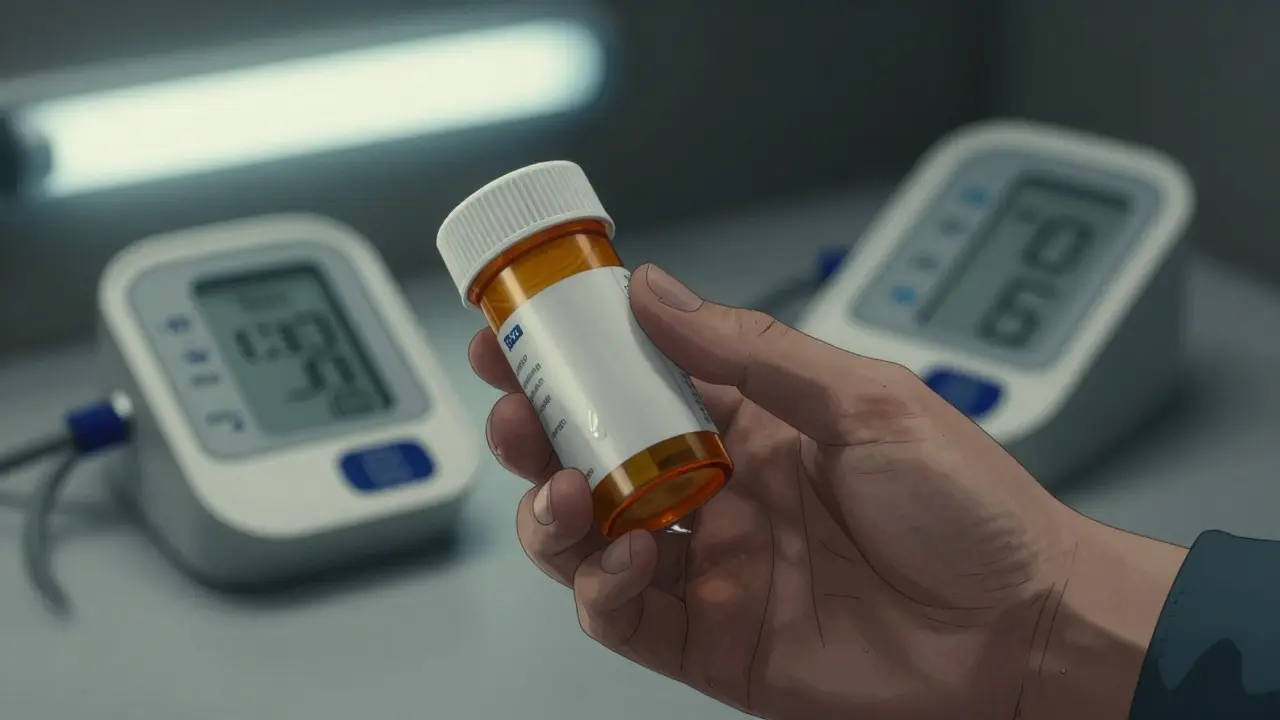
When you take a generic drug, you expect the same safety and effectiveness as the brand-name version. But here’s the problem: if something goes wrong, the system for reporting it is broken. serious adverse events from generic drugs are dramatically underreported - and that’s not just a paperwork issue. It’s a patient safety risk.
What Counts as a Serious Adverse Event?
A serious adverse event (SAE) isn’t just a mild side effect. It’s something that could kill you, land you in the hospital, or leave you permanently disabled. The FDA defines it clearly: any reaction that’s fatal, life-threatening, requires hospitalization, causes birth defects, or leads to lasting harm. This applies to every drug - brand or generic. A heart attack after taking generic metoprolol? That’s an SAE. Liver failure from a generic statin? That’s an SAE. A seizure after switching to a new generic version of levothyroxine? Also an SAE.Who’s Supposed to Report These Events?
Legally, the drug manufacturer - whether it’s Pfizer or a small generic company - must report serious and unexpected adverse events to the FDA within 15 days. But here’s where things fall apart. The FDA’s own data shows that brand-name drug makers submit about 68% of all serious adverse event reports, even though generics make up 90% of prescriptions filled in the U.S. That’s not a coincidence. It’s a systemic failure.Why Are Generic Drug Reactions Underreported?
There are three big reasons why serious reactions from generic drugs rarely get reported:- Pharmacies switch manufacturers without telling you. One week you get levothyroxine from Teva. Next week, it’s Mylan. The label might say “levothyroxine sodium,” but the manufacturer name is tiny, often printed in 6-point font on the side of the bottle. Most patients don’t notice. Most doctors don’t ask.
- Reporting forms are confusing. The FDA’s MedWatch form asks for the brand name or generic name - and then the manufacturer. But if you don’t know which company made the drug, you can’t fill it out correctly. A 2022 FDA study found 42% of healthcare providers gave up on reporting generic drug reactions because they couldn’t identify the maker.
- Generic manufacturers lack resources. Big pharma has entire departments staffed with pharmacovigilance experts. Many small generic companies? They outsource reporting to third parties - if they do it at all. Smaller manufacturers account for over a third of generic prescriptions but submit less than 5% of adverse event reports.
What Happens When Reports Are Missing?
Imagine two patients take the same generic drug. One has a bad reaction. The other doesn’t. If no one reports it, the FDA never sees the pattern. That’s how dangerous signals get buried. In 2018, researchers analyzed data on four widely used generic drugs - amlodipine, losartan, metoprolol, and simvastatin. Even after generics entered the market, brand-name reports kept coming in at six times the rate. That doesn’t mean generics are safer. It means we’re blind to their risks.How to Report a Serious Reaction (Step by Step)
If you’re a patient, caregiver, or healthcare provider and you suspect a serious reaction to a generic drug, here’s how to act:- Check the pill bottle. Look for the manufacturer name. It’s often on the side or bottom of the label. Write it down. If you can’t find it, take a photo.
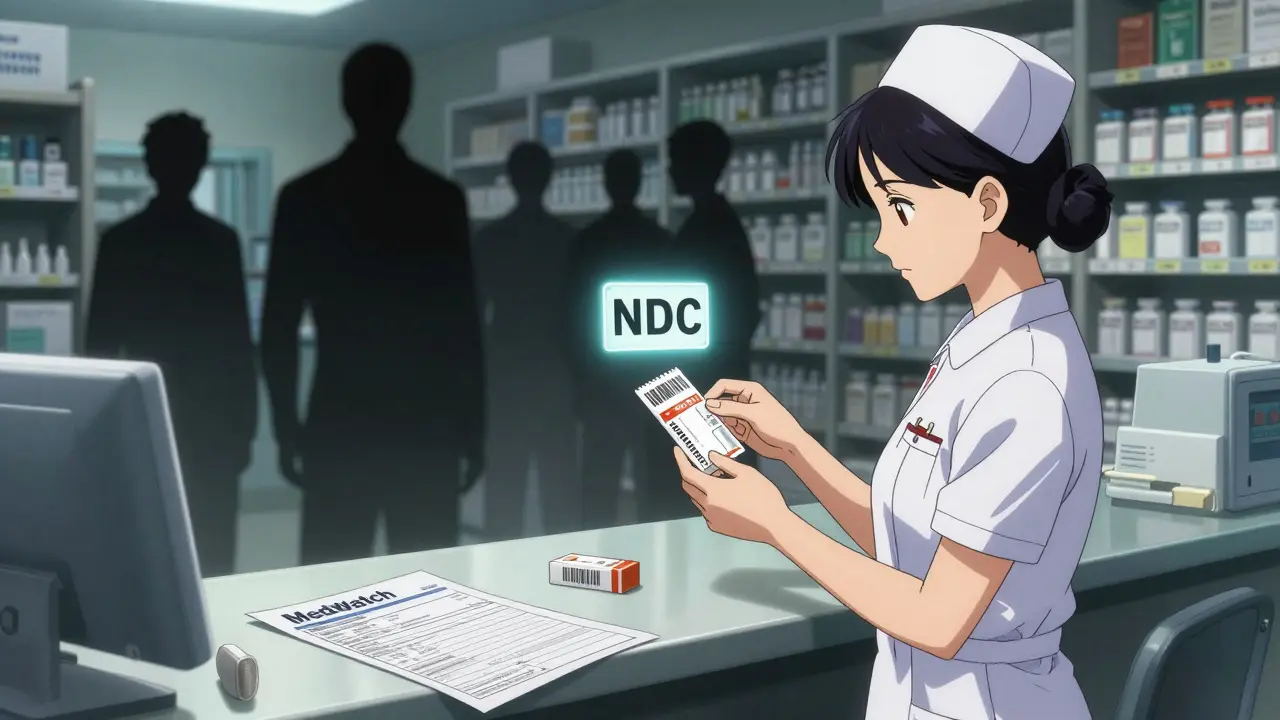
- Find the NDC number. This 11-digit code is printed on the label. It’s unique to the manufacturer, strength, and package size. You’ll need this to report accurately.
- Use the MedWatch form. Go to the FDA’s MedWatch website. Select “Health Professional” or “Consumer” depending on who’s reporting. Choose “Generic Drug” under product type. Enter the active ingredient (e.g., “levothyroxine sodium”) and the manufacturer name you found on the bottle.
- Describe the reaction in detail. When did it start? What happened? Did the patient go to the ER? Was there hospitalization? Include dates, symptoms, and any treatment given.
- Submit it. You can file online, by fax, or by mail. Online is fastest. Keep a copy for your records.
What Hospitals and Pharmacies Are Doing Better
Some institutions are fixing this on their own. At 12 hospital systems, nurses started scanning medication barcodes when giving drugs to patients. This automatically captured the manufacturer name and NDC code. Result? Generic adverse event reporting jumped by 63%. That’s not magic - it’s smart tech.The FDA is also trying. In 2023, they launched FAERS 2.0, which can now link reports directly to NDC codes. They’ve also proposed new rules requiring pharmacies to print manufacturer names in larger type on prescriptions. And in 2024, they’re piloting a program with CVS and Walgreens to auto-capture manufacturer data at the point of sale.
What You Can Do Right Now
You don’t need to wait for the system to fix itself. Here’s what you can do:- Always check the manufacturer on your prescription bottle. Don’t assume it’s the same as last time.
- Ask your pharmacist if the manufacturer changed. They’re required to tell you.
- Report every serious reaction. Even if you’re not sure. The FDA needs every data point.
- Use DailyMed. If you have the NDC number, go to DailyMed (free, no login needed) and search the code. It’ll tell you exactly who made the drug.
Why This Matters More Than You Think
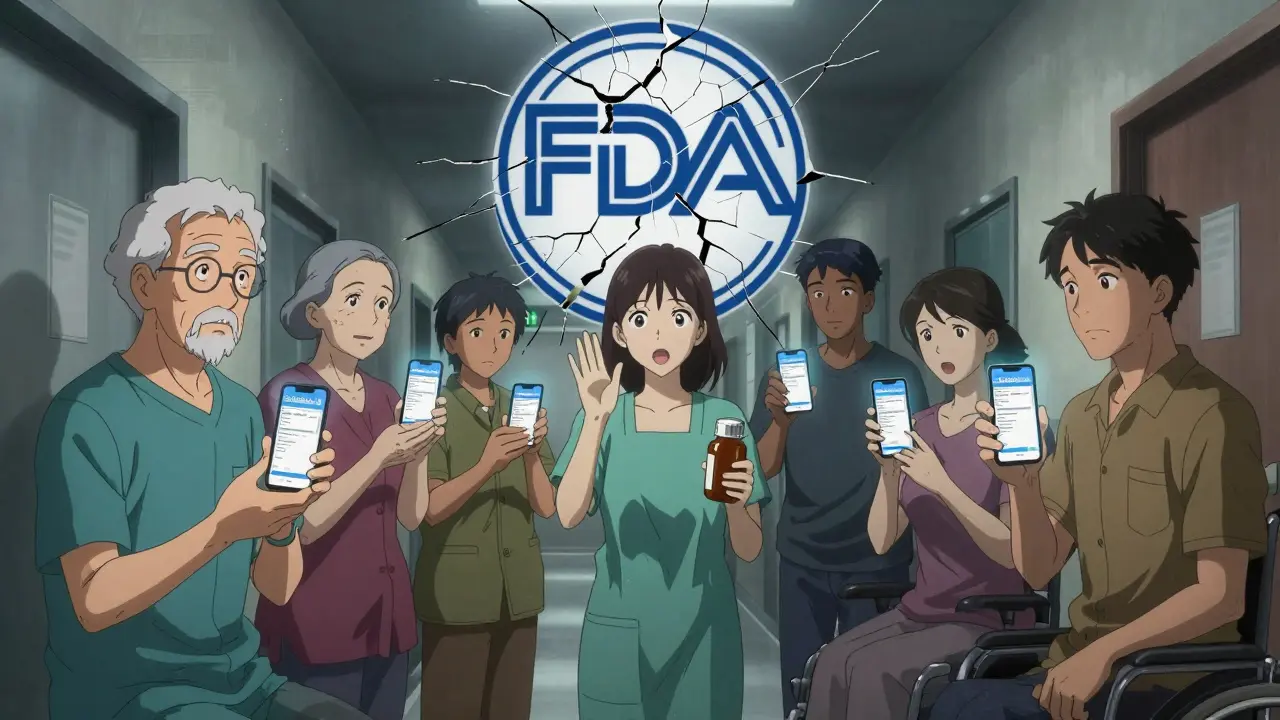
Generic drugs save the U.S. healthcare system over $300 billion a year. That’s huge. But if we don’t know which ones are safe, we’re gambling with lives. The FDA admits they lack enough data to know if generic drugs are truly as safe as brand names. That’s not confidence - that’s a warning sign.Dr. Daniel Korn from the FDA said it plainly: “The underreporting of adverse events for generic drugs creates a significant gap in our post-marketing surveillance system.” He’s not exaggerating. Without accurate reporting, we can’t detect new safety signals. We can’t recall dangerous batches. We can’t warn doctors. We can’t protect patients.
Every time you skip reporting a reaction because “it’s just a generic,” you’re making it harder for regulators to see the full picture. That’s not just a bureaucratic oversight. It’s a public health risk.
What’s Next?
The good news? The industry is starting to wake up. Generic manufacturers are spending more on pharmacovigilance - projected to hit $320 million by 2027. The FDA is investing in better tech. But progress depends on you.If you’re a patient: write down the manufacturer name. If you’re a provider: ask your patients what company made their pills. If you’re a pharmacist: make sure the label is clear. If you see something unusual - report it.
The system isn’t perfect. But it only works if we all use it.
Do generic drugs cause more side effects than brand-name drugs?
No, generic drugs are required by law to be bioequivalent to their brand-name counterparts - meaning they work the same way in the body. But that doesn’t mean they’re identical. Differences in inactive ingredients, manufacturing processes, or tablet coatings can cause different reactions in some people. The problem isn’t that generics are less safe - it’s that we don’t have enough data to know which ones might cause problems in certain patients.
What if I don’t know which company made my generic drug?
Check the prescription label. The manufacturer name is usually printed in small text. If it’s not visible, look for the National Drug Code (NDC) number - an 11-digit code on the bottle. Go to DailyMed.nlm.nih.gov and enter the NDC. The site will show you the manufacturer. If you still can’t find it, report the reaction using the generic name and note that the manufacturer is unknown. The FDA still needs that data.
Can I report a reaction if I’m not a doctor?
Yes. The FDA’s MedWatch system allows patients and caregivers to report adverse events directly. You don’t need to be a healthcare professional. In fact, patient reports are critical - especially for drugs taken long-term, like blood pressure or thyroid medications. Your firsthand experience matters.
How long do I have to report a serious adverse event?
There’s no strict deadline for patients or providers - but the sooner you report, the better. Manufacturers are required to report serious, unexpected events to the FDA within 15 days of learning about them. Delayed reports mean delayed detection. If you notice a pattern - like multiple people having the same reaction after switching to a new generic - report it immediately.
Are there penalties for not reporting?
Patients and healthcare providers aren’t legally required to report. But drug manufacturers are. If a generic manufacturer fails to report a serious adverse event within 15 days, they can face fines, warning letters, or even product recalls. The FDA has been increasing enforcement under GDUFA III (2023-2027), which includes stricter penalties for poor pharmacovigilance.
Why do some people have reactions only to certain generic versions?
Generic drugs must have the same active ingredient, but they can differ in fillers, dyes, coatings, or how the pill breaks down in the body. For most people, this doesn’t matter. But for drugs with narrow therapeutic windows - like levothyroxine, warfarin, or seizure meds - even small changes can cause big effects. One patient might tolerate Teva’s version but react to Mylan’s. That’s why tracking the manufacturer matters.
Sheryl Dhlamini
January 29, 2026 AT 07:38Okay but have y’all seen the tiny manufacturer name on a 100-count bottle of levothyroxine? It’s practically a secret code. I switched generics last month and ended up in the ER with palpitations-turned out it was a different filler. No one asked. No one told me. This system is rigged.
Doug Gray
January 30, 2026 AT 17:08It’s not a reporting issue-it’s an epistemological crisis. We’ve commodified bioequivalence to the point where the ontological distinction between ‘active ingredient’ and ‘patient experience’ has collapsed. The FDA’s metrics are reductive. NDC codes don’t capture the phenomenology of adverse events. We’re quantifying qualia with spreadsheets.
LOUIS YOUANES
February 1, 2026 AT 00:08Generic manufacturers are just profit-hungry corporations cutting corners. Big Pharma doesn’t want you to know how much they’re outsourcing to Chinese factories with zero oversight. The FDA’s ‘FAERS 2.0’? A PR stunt. They’re all in bed together. I’ve seen the documents. You think your thyroid med is safe? Think again.
Laia Freeman
February 2, 2026 AT 20:23OMG YES!! I’ve been screaming this for years!! I switched to a generic lisinopril and got this weird numbness in my fingers-thought it was carpal tunnel, then realized it was the NEW manufacturer!! I took a pic of the bottle, found the NDC on DailyMed, and filed a MedWatch report in 5 mins!! YOU CAN DO THIS TOO!! IT MATTERS!! 🙌💊
paul walker
February 3, 2026 AT 01:28Just reported my dad’s reaction to a generic metoprolol last week. He had chest tightness after switching from Teva to Mylan. Took me 20 mins to find the NDC on the bottle. Filed it online. No one ever asked if we knew who made it. That’s insane.
Alex Flores Gomez
February 4, 2026 AT 03:59Let’s be real-most patients don’t care enough to check the label. And doctors? They’re too busy to ask. This isn’t a failure of reporting-it’s a failure of accountability. If the FDA wanted to fix this, they’d mandate manufacturer names in 12pt font on every Rx. They don’t. Why? Because it’s cheaper to ignore it.
Frank Declemij
February 5, 2026 AT 14:51The data is clear: underreporting of generic adverse events correlates directly with manufacturer size. Small firms submit less than 5% of reports despite supplying over a third of prescriptions. The solution isn’t more patient burden-it’s mandatory pharmacovigilance funding for all manufacturers, regardless of scale.
Pawan Kumar
February 6, 2026 AT 12:09This is part of a larger Western pharmaceutical hegemony. The U.S. forces developing nations to produce generics under lax standards, then blames patients for not reporting side effects. The NDC system is a colonial tool. The FDA is not a regulator-it is a corporate puppet. Wake up.
ryan Sifontes
February 8, 2026 AT 09:50They’ll never fix this. Too many people make money off the chaos. I used to work in a pharmacy. We got 5 different generics for the same drug every month. No one tracked it. No one cared. We just handed out pills. If you get sick? That’s on you.
Laura Arnal
February 8, 2026 AT 13:41My aunt had a seizure after switching generic levothyroxine-no one knew which company made it. We called the pharmacy, they had no record. We used DailyMed with the NDC and found it was a small Indian maker. Filed the report. Now she’s stable. PLEASE, if you notice a change-check the bottle. It could save someone’s life. ❤️
Eli In
February 9, 2026 AT 18:21Just want to say thank you for this post. 🙏 I’m from a rural town where people don’t have time to dig into NDC codes-but now I’m printing a little card with the steps and handing it out at the clinic. Small actions add up. We can fix this if we all just… care a little more. 💚
Megan Brooks
February 11, 2026 AT 17:17While patient reporting is essential, the systemic solution lies in regulatory enforcement. The FDA must require all generic manufacturers to maintain real-time, auditable pharmacovigilance systems tied to NDC codes. Without mandatory infrastructure investment, patient reports remain reactive noise rather than proactive signal detection. The burden should not fall solely on the vulnerable.