
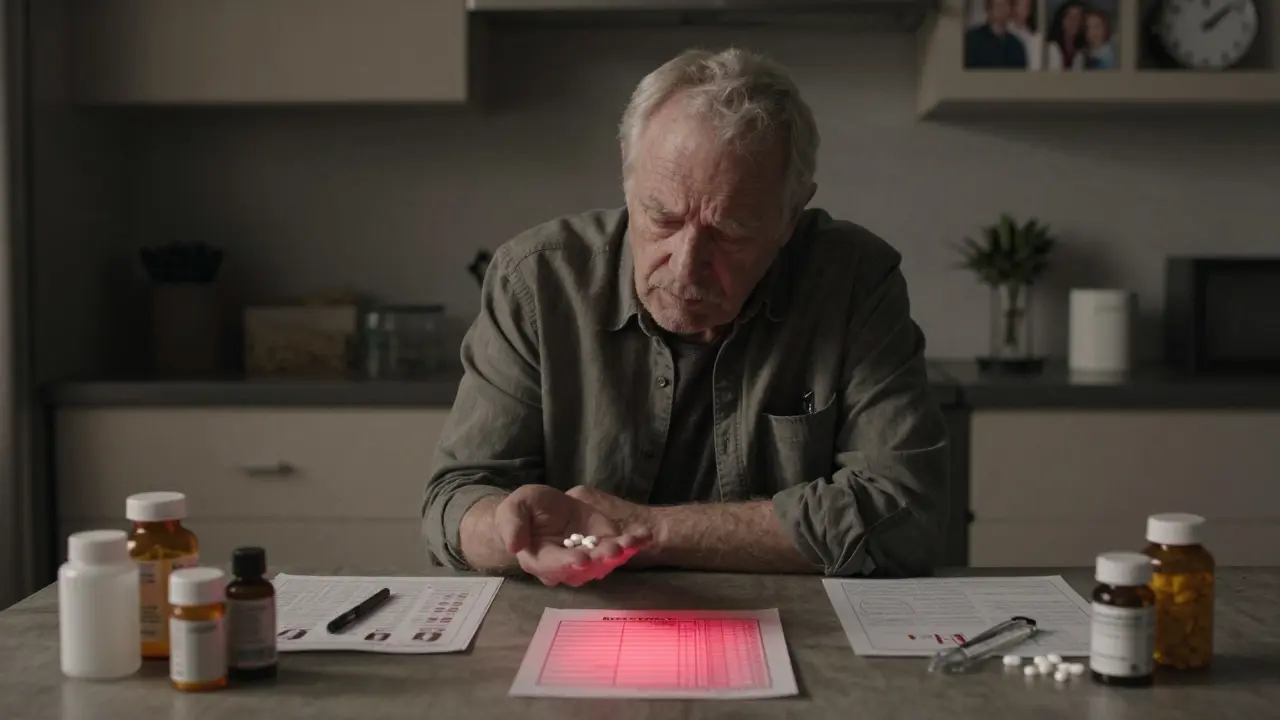
Every year, tens of thousands of seniors end up in the emergency room-not from a fall, heart attack, or stroke-but because of a medication they were told was safe. The truth? Many common prescriptions that work fine for younger adults can be dangerous for people over 65. It’s not about being old. It’s about how the body changes. Kidneys slow down. Liver metabolism drops. Brain sensitivity increases. And when you’re taking five, six, or even ten pills a day, the risks stack up fast.
Why Medications Become Riskier with Age
Your body doesn’t process drugs the same way at 70 as it did at 40. The kidneys filter out medications less efficiently. The liver breaks them down slower. Fat replaces muscle, so drugs that stick to fat linger longer. And your brain becomes more sensitive to sedatives, anticholinergics, and even mild painkillers.That’s why a drug that causes mild drowsiness in a 50-year-old can send a 75-year-old into confusion, falls, or even hospitalization. The Beers Criteria-updated in May 2023 by the American Geriatrics Society-is the gold standard for identifying these risks. It’s not a list of banned drugs. It’s a warning system: these medications are more likely to hurt than help in older adults.
According to the CDC, nearly 40% of seniors take five or more medications daily. That’s called polypharmacy. And it’s the biggest hidden danger. One drug might be fine. Two might be okay. But five? The chance of dangerous interactions jumps dramatically. The Agency for Healthcare Research and Quality found that adverse drug events cost Medicare $177 billion in 2022 alone. Most of those were preventable.
The Top 5 High-Risk Medications to Review Right Now
Not all high-risk drugs are obscure. Some are sold over the counter. Others are prescribed routinely. Here are five that need immediate review if you or a loved one is taking them:
1. Zolpidem (Ambien®) and Other Sleep Aids
Zolpidem is one of the most commonly prescribed sleep medications for seniors. But it’s also one of the most dangerous. Studies show it increases the risk of falls by 82% in people over 65. Why? The drug lingers in the body longer. Residual sedation can last up to 11 hours-meaning you could wake up groggy, unsteady, and at risk of falling while heading to the bathroom at 3 a.m.
Worse, some seniors report sleepwalking, confusion, or memory lapses the next day. Humana’s member data shows 68% of seniors on zolpidem describe morning confusion. Twenty-two percent had falls requiring medical care.
Alternatives? Trazodone (an old antidepressant with low sedative effects) or non-drug approaches like CBT-I (Cognitive Behavioral Therapy for Insomnia) work better and safer. The JAMA Network Open study found that combining CBT-I with gradual tapering led to a 78% success rate in stopping sleep meds without rebound insomnia.
2. Glyburide (Diabeta®) for Diabetes
Glyburide is an older type of sulfonylurea used to lower blood sugar. Sounds harmless, right? Not for seniors. It causes severe hypoglycemia-dangerously low blood sugar-in nearly 30% of elderly users. That’s more than double the rate of newer drugs like glipizide.
Why is this dangerous? Low blood sugar can cause dizziness, fainting, seizures, or even coma. Seniors often don’t feel the warning signs. A 2020 JAMA Internal Medicine study called glyburide “obsolete” for older adults because of the 2.1-fold higher risk of hypoglycemia.
CMS data shows glyburide leads to 4.2 emergency visits per 100 patients each year. Buckeye Health Plan has removed it from its preferred tier entirely. Glipizide, metformin, or GLP-1 agonists like semaglutide are safer options. If you’re on glyburide, ask your doctor: Can we switch?
3. First-Generation Antihistamines (Diphenhydramine, Doxylamine)
You’ve probably seen these in over-the-counter sleep aids: Benadryl, NyQuil, Unisom. They contain diphenhydramine or doxylamine-both powerful anticholinergic drugs. The Anticholinergic Cognitive Burden (ACB) scale rates diphenhydramine as a 3 (high risk). That means long-term use increases dementia risk by 54%.
A 2015 JAMA Internal Medicine study tracked over 3,400 seniors for seven years. Those who took the equivalent of 1,095 daily doses (about three years of nightly use) had significantly higher rates of cognitive decline. And it’s not just memory. These drugs cause dry mouth, constipation, urinary retention, and confusion-all common in seniors and often mistaken for normal aging.
Alternatives? For allergies, use loratadine (Claritin) or cetirizine (Zyrtec)-both have ACB scores of 0. For sleep, try melatonin (under 3 mg) or non-drug sleep hygiene. If you’re still using Benadryl as a sleep aid, stop. It’s not harmless.
4. Nitrofurantoin (Macrobid®) for UTIs
Many seniors get urinary tract infections. Nitrofurantoin is often prescribed because it’s cheap and effective. But it’s risky if kidney function is even slightly reduced. The drug can cause severe lung damage in older adults with eGFR under 60 mL/min. Mortality from acute pulmonary toxicity hits 18.3% in these cases.
Doctors often don’t check kidney function before prescribing it. But the Beers Criteria says: avoid nitrofurantoin if creatinine clearance is below 60. For seniors with mild kidney issues, fosfomycin or cephalexin are safer alternatives. Always ask: What’s my kidney number? If you don’t know, get it tested.
5. Alpha-1 Blockers (Doxazosin, Terazosin, Prazosin)
These drugs are used for high blood pressure and enlarged prostate. But they’re notorious for causing orthostatic hypotension-dramatic drops in blood pressure when standing up. In seniors over 75, this leads to fainting and falls at 3.2 times the rate of safer blood pressure drugs like chlorthalidone.
EmblemHealth’s data shows 24.7% of elderly users experience dizziness upon standing. That’s more than one in four. And falls in seniors often lead to hip fractures, long-term disability, or death.
Alternatives? ACE inhibitors, ARBs, or calcium channel blockers are better first choices. If you’re on doxazosin for prostate issues, ask if a 5-alpha reductase inhibitor like finasteride might work instead-no blood pressure drops, no falls.
What You Can Do Today
You don’t need to wait for your annual checkup. Start now:
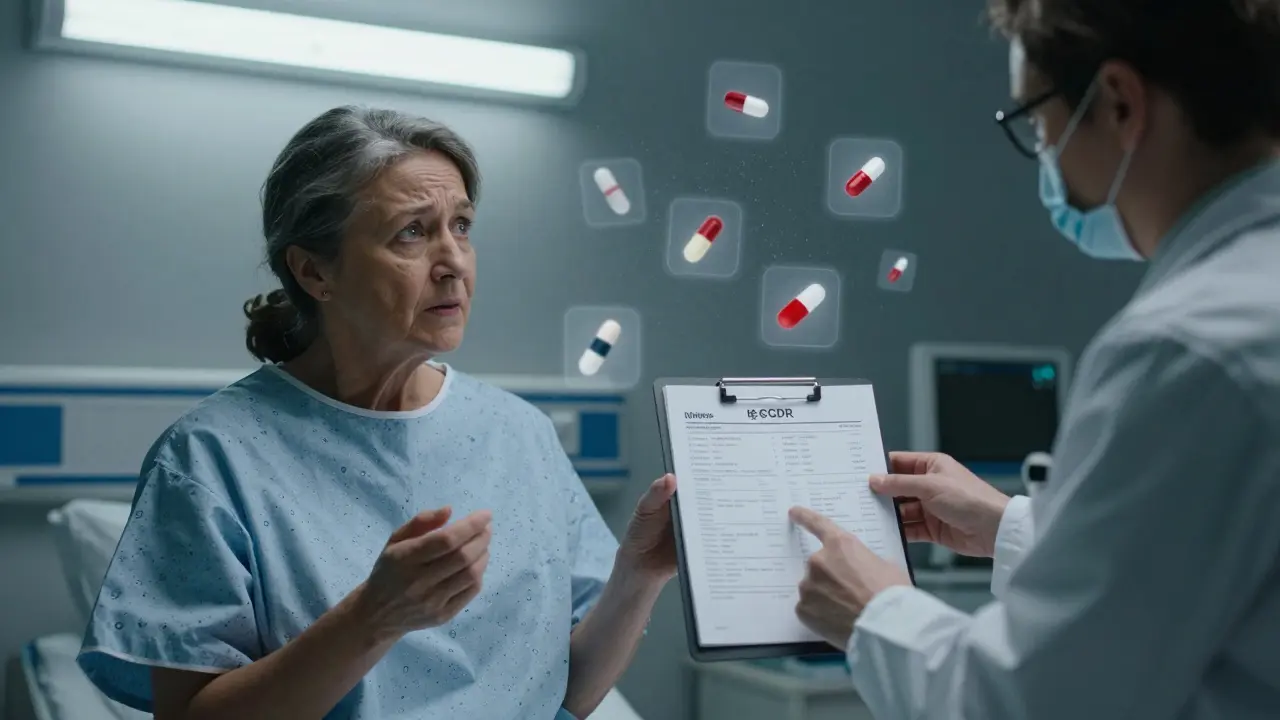
- Do a brown bag review. Take every pill, supplement, and OTC drug you take to your doctor or pharmacist. Include creams, patches, and herbal products. Don’t assume they know what you’re using.
- Ask about anticholinergic burden. Request the Anticholinergic Risk Scale (ARS) score. If it’s above 3, you’re at high risk. Ask which drugs can be switched or stopped.
- Check kidney function. Ask for your eGFR number. If it’s below 60, review all medications that rely on kidney clearance.
- Use the Beers Criteria as your checklist. Search “AGS Beers Criteria 2023” online. Print it. Bring it to your appointment.
- Ask about alternatives. “Is there a safer option?” is one of the most powerful questions you can ask. Most doctors are open to it-especially now that Medicare requires annual medication reviews.
Pharmacists are your allies. Medicare’s Medication Therapy Management (MTM) program offers free consultations for seniors on multiple medications. Call your pharmacy and ask if you qualify.
What’s Changing in 2026
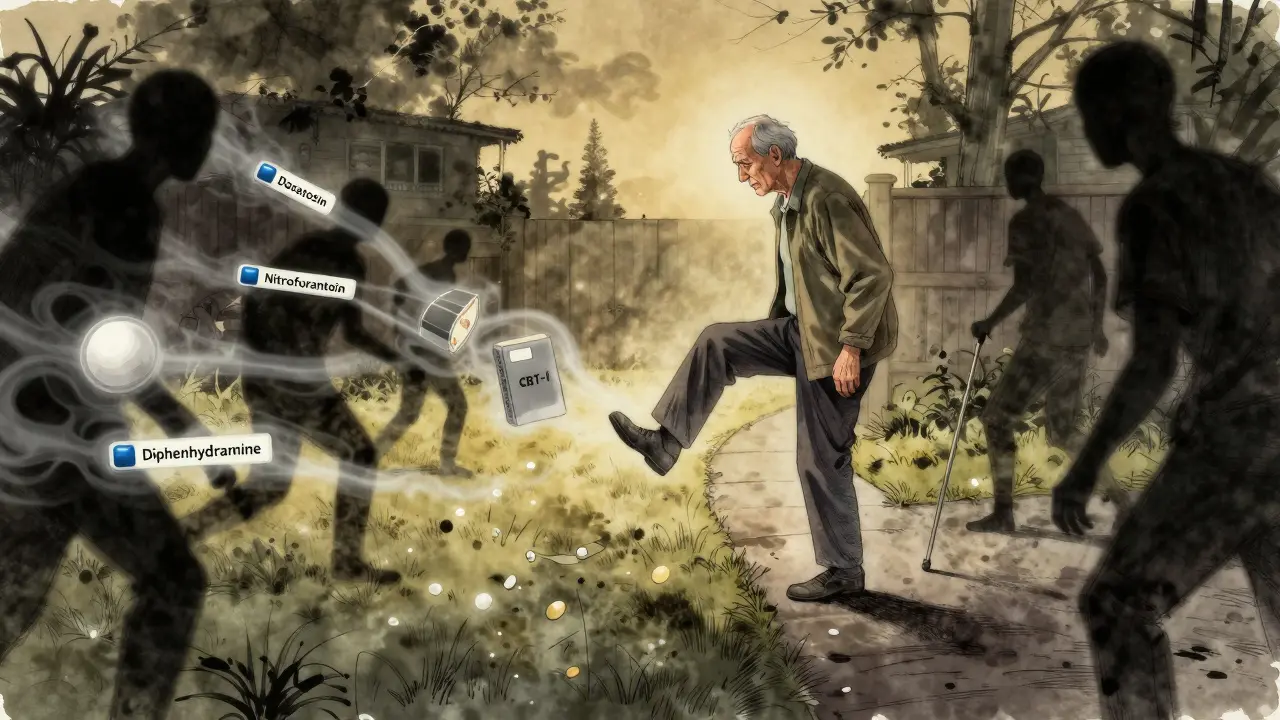
The rules are getting stricter. In January 2024, Medicare Advantage plans started tying 5% of their quality bonuses to reducing high-risk medication use. Electronic health records now auto-flag Beers Criteria drugs when prescribed to seniors. Epic and Cerner systems show alerts before a doctor hits “send.”
And it’s working. Pharmacies using Surescripts’ Real-Time Prescription Benefit tool saw a 19.3% drop in high-risk prescriptions in pilot programs. The goal? Cut preventable hospitalizations by 30% by 2027.
But technology alone won’t fix this. You have to speak up. If your doctor says, “It’s fine,” ask: “Is this on the Beers Criteria list? Is there a safer option? What happens if I stop this?”
Final Thought: It’s Not About Cutting Meds-It’s About Choosing Wisely
Some seniors panic when they hear “high-risk.” They think their doctor made a mistake. But most of these drugs were prescribed years ago, before the risks were fully understood. The goal isn’t to stop everything. It’s to stop what’s dangerous and replace it with what’s safer.
One woman on amitriptyline for nerve pain developed severe constipation and had to be hospitalized. After switching to duloxetine, her symptoms vanished. Another senior switched from glyburide to glipizide and stopped having low blood sugar episodes. His energy returned. He started walking again.
Medications aren’t the enemy. But blind use is. With the right review, seniors can stay healthy, independent, and safe-without unnecessary risks.
Ben Kono
January 13, 2026 AT 06:53I took Ambien for 3 years and woke up making peanut butter sandwiches at 2am once
Konika Choudhury
January 14, 2026 AT 00:49In India we don't even have these fancy pills people die from. We just use turmeric and pray. Your medicine culture is broken.
Darryl Perry
January 14, 2026 AT 10:16The Beers Criteria is not a suggestion. It is a clinical imperative. Any physician prescribing glyburide to a patient over 70 without documented renal function is practicing negligence. The data is unequivocal. This is not opinion. It is evidence.
Windie Wilson
January 15, 2026 AT 04:11So let me get this straight. We're supposed to trust a list made by doctors who still think 'elderly' is a diagnosis and not a demographic? I've seen grandmas on 12 meds who run marathons. Meanwhile my 68-year-old neighbor takes one aspirin and still forgets his own name. Maybe the problem isn't the drugs. Maybe it's the people taking them.
Daniel Pate
January 15, 2026 AT 07:58There's a deeper philosophical question here. If our bodies change with age, and medicine is designed to correct physiological deviations, then are we not essentially treating aging itself as a disease? The Beers Criteria doesn't just flag dangerous drugs-it reveals our cultural refusal to accept biological decline. We'd rather adjust the chemistry than adjust our expectations of what it means to grow old.
Amanda Eichstaedt
January 16, 2026 AT 16:37I took my grandma to her pharmacist last week and we found three things she didn't even know she was still taking. One was for a UTI she had in 2017. She looked at me like I'd just told her the moon was made of cheese. We got rid of two of them. She's been sleeping through the night for the first time in five years. It's not magic. It's just paying attention.
Jose Mecanico
January 17, 2026 AT 19:33I appreciate the post. My dad's on a few of these. We're scheduling a med review next week. Thanks for the push.
Alex Fortwengler
January 18, 2026 AT 22:54Big Pharma wrote the Beers Criteria. They made the new drugs so they could sell them. Glyburide is cheap. The new ones cost $900 a month. You think they care about your safety? They care about your credit card. Wake up. This isn't medicine. It's a money scheme.
jordan shiyangeni
January 20, 2026 AT 08:25It is deeply concerning that so many individuals continue to rely on anecdotal evidence and emotional appeals rather than adhering to the rigorous, peer-reviewed clinical guidelines established by the American Geriatrics Society. The fact that a significant portion of the population still believes in the efficacy of over-the-counter antihistamines for sleep-despite overwhelming evidence linking them to accelerated cognitive decline-is not merely irresponsible; it is a public health failure of monumental proportions. The absence of proper education, coupled with a culture of pharmaceutical complacency, has created a generation of vulnerable seniors who are being systematically poisoned by their own pharmacies. This is not hyperbole. This is documented fact.
Abner San Diego
January 20, 2026 AT 12:57My uncle died from a fall after taking doxazosin. They told him it was 'just a blood pressure pill.' He was 78. He was still mowing his lawn. Now he's in the ground. And the doctor? He just shrugged and said, 'We didn't know his kidneys were weak.' Well now you know. So why are we still letting this happen?
Eileen Reilly
January 21, 2026 AT 09:05so like i asked my dr about the ambien and she was like oh uhhhh maybe try melatonin? i said but i read that it can cause weird dreams? and she said yeah but its not like you're gonna fall down the stairs and break your hip sooooooo