
Medication Sexual Side Effects Checker
Check Your Medication
Select the medication category and specific drug you're taking to see the likelihood of sexual side effects.
How It Works
This tool uses clinical data to show the likelihood of sexual side effects for your medication. Remember: not everyone experiences these side effects, but understanding the risk can help you discuss alternatives with your doctor.
Results
Alternative Options
What You Can Do
Select a medication category and specific drug to see the results.
Many people don’t realize that the pills they take every day for depression, high blood pressure, or prostate issues can quietly mess with their sex life. It’s not rare. It’s not unusual. In fact, sexual side effects from common medications are one of the most frequent reasons people stop taking their prescriptions - even when those meds are working exactly as they should.
Think about it: if you’re on an antidepressant to feel better, but you’ve lost interest in sex, can’t get an erection, or can’t climax, that’s not just inconvenient. It’s deeply frustrating. And it’s not just men. Women report reduced desire, less pleasure, and trouble getting aroused too. These aren’t side effects you hear about on TV ads. They’re the quiet, embarrassing, often ignored consequences of everyday medicines.
Antidepressants: The Biggest Culprit
Antidepressants are the most common cause of sexual side effects. About 40% of people taking them will experience some kind of sexual problem, according to decades of clinical research. But it’s not all the same. Some SSRIs are far worse than others.
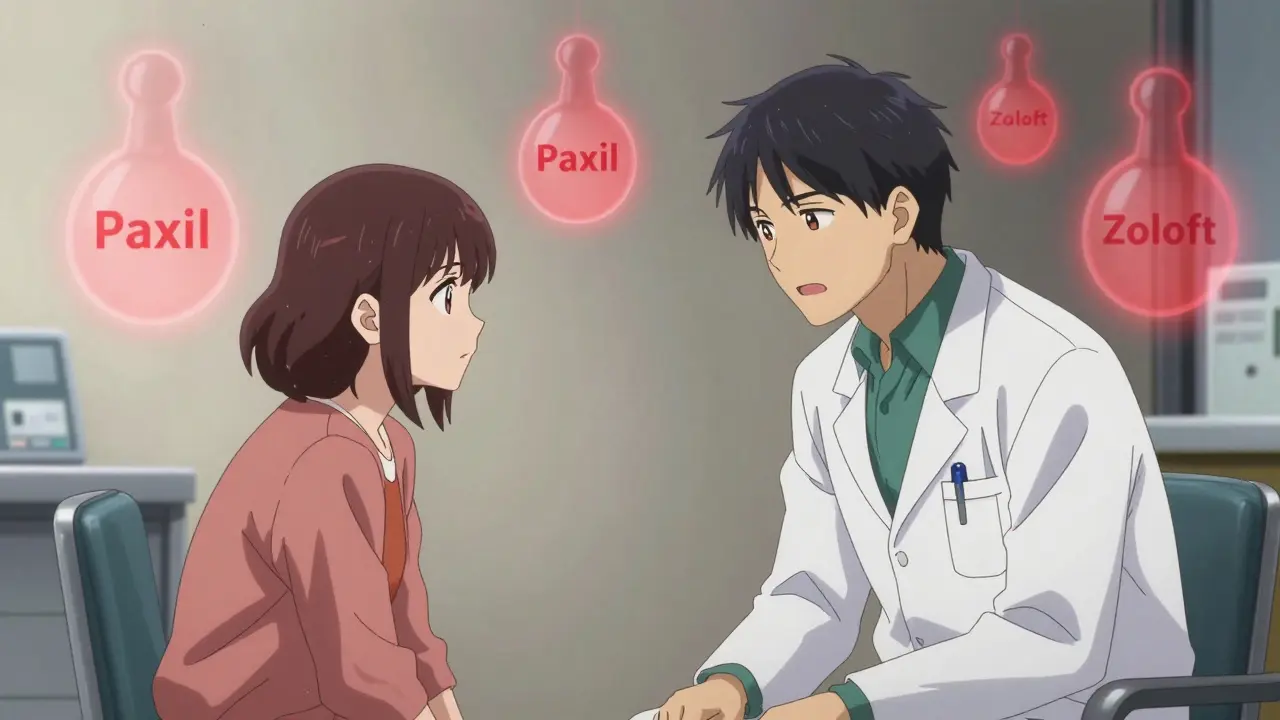
Paroxetine (Paxil) leads the pack with up to 65% of users reporting sexual dysfunction - that’s more than two out of three people. Fluvoxamine (Luvox) isn’t far behind at 59%. Sertraline (Zoloft) and fluoxetine (Prozac) hover around 55-56%. That means if you’re on one of these, you’re statistically likely to face challenges in the bedroom.
Why? These drugs boost serotonin, which helps with mood - but too much serotonin can shut down sexual response. It dampens arousal, delays or blocks orgasm, and kills libido. It’s not a bug. It’s a built-in effect.
But here’s the good news: not all antidepressants do this. Bupropion (Wellbutrin) and mirtazapine (Remeron) have much lower rates - sometimes under 10%. For patients who struggle with sexual side effects, switching to one of these is often the first step doctors recommend. It’s not a magic fix, but it’s a real option.
And then there’s clomipramine. One study found 93% of users - men and women - had total or partial inability to orgasm. That’s not a side effect. That’s a dealbreaker for many.
Heart Medications: More Than Just Blood Pressure
High blood pressure meds are another major source of sexual problems. Thiazide diuretics like hydrochlorothiazide (Microzide) are the worst offenders. They’re cheap, effective, and widely prescribed - but they’re also the most common cause of erectile dysfunction among antihypertensives.
Beta blockers like atenolol and metoprolol aren’t much better. They reduce blood flow and can make it harder to get or keep an erection. For men, this is a huge issue. For women, it often means less desire and less pleasure.
But here’s something surprising: not all blood pressure drugs hurt your sex life. Angiotensin II receptor blockers like valsartan have actually been shown to improve sexual desire and fantasies in women compared to beta blockers. That’s not a fluke. It’s a clue that medication choice matters.
Other heart meds like digoxin (Lanoxin) and spironolactone (Aldactone) also show up in studies as contributors to sexual dysfunction - especially in heart failure patients. Around 10% of these patients blame their meds, not their condition, for their sexual struggles.
Prostate and Hormone Drugs: The Trade-Off
Men taking medications for enlarged prostates or prostate cancer face a different kind of trade-off. 5-alpha reductase inhibitors like finasteride (Propecia) and dutasteride (Avodart) reduce DHT - a hormone linked to hair loss and prostate growth. But they also reduce libido, cause erectile dysfunction, and can lead to ejaculation problems.
Studies show:
- 5.9-15.8% of men report decreased libido
- 5.1-9.0% develop erectile dysfunction
- 0.8-21.4% experience ejaculation issues
And then there are antiandrogens like bicalutamide, used in prostate cancer treatment. Nearly all men on these drugs lose libido, struggle with erections, and may even develop breast tissue (gynecomastia). These effects aren’t accidental - they’re intentional. The goal is to starve cancer cells of testosterone. But patients still need to know what they’re signing up for.
That’s why counseling before starting these drugs is critical. Knowing what’s coming helps men adjust emotionally and physically. It doesn’t make the side effects go away - but it makes them easier to live with.
Other Surprising Offenders
It’s not just antidepressants and heart meds. A lot of other common drugs can mess with your sex life too.
Gabapentin and pregabalin - used for nerve pain and seizures - have been linked to erectile dysfunction. The mechanism? They raise sex hormone binding globulin, which lowers free testosterone. That’s enough to knock libido down.
Opioids like oxycodone don’t just dull pain. They mess with your brain’s hormone signals. They suppress the hypothalamic-pituitary-gonadal axis, which can lead to low testosterone and erectile dysfunction. Long-term opioid users often develop secondary hypogonadism - basically, their body stops making enough sex hormones.
Proton pump inhibitors (PPIs) like omeprazole (Prilosec) and H2 blockers like ranitidine? The data is mixed, but some patients report lower libido and sexual problems. The science isn’t clear yet, but it’s worth mentioning.
What Can You Do?
First: don’t stop your meds cold turkey. That can be dangerous. Withdrawal from antidepressants, for example, can cause brain zaps, severe anxiety, or even seizures.
Instead, talk to your doctor. Here are proven strategies:
- Switch meds. If you’re on paroxetine, ask about bupropion or mirtazapine. If you’re on a thiazide diuretic, ask if an ARB like valsartan could work instead.
- Adjust the dose. Sometimes lowering the dose reduces side effects without hurting the main benefit.
- Try a "drug holiday." For some SSRIs, taking a break on weekends - under medical supervision - can help restore sexual function. This doesn’t work for everyone, but it’s been successful in some cases.
- Add a helper. For SSRI-induced erectile dysfunction, sildenafil (Viagra) or tadalafil (Cialis) can be very effective. Studies show 74-95% of men see improvement.
- Time it right. Some people find taking their SSRI after sex reduces interference. It’s not a fix, but it’s worth experimenting with.
- Move more. Exercise improves blood flow, boosts testosterone, and lifts mood. It’s a triple win.
And if you’re a woman? You’re not alone. Studies show 41% of women on antihypertensives report reduced desire. 34% say sexual pleasure is lower. Your doctor should be asking about this - not just assuming it’s "just stress" or "aging."
It’s Not Just Physical
Sexual side effects don’t just affect your body. They affect your relationships, your self-esteem, your mental health. A man who can’t get an erection might feel like a failure. A woman who doesn’t want sex might think something’s wrong with her. But often, it’s just the medicine.
And here’s the truth: up to 70% of people with depression already have sexual dysfunction before they even start meds. So when you’re on an antidepressant and notice a drop in libido, it’s hard to know what’s the illness and what’s the pill. That’s why doctors need to ask - not guess.
What’s Changing Now?
Things are slowly getting better. The FDA now requires drug makers to track sexual side effects in clinical trials. More studies are being done on how to prevent them. Pharmaceutical companies are testing new antidepressants that don’t spike serotonin as much.
And experts are pushing for routine screening. The American Urological Association now recommends asking all patients on long-term antidepressants, blood pressure meds, or prostate drugs: "Have you noticed changes in your sexual function?" It’s simple. It’s direct. And it’s long overdue.
Future care might even be personalized. Some people have genes that make them more sensitive to serotonin changes. Others metabolize drugs differently. In the next few years, genetic testing could help doctors pick the right drug - the one that helps your mood without hurting your sex life.
Bottom Line
Sexual side effects from medications are real, common, and often preventable. You don’t have to live with them. You don’t have to feel ashamed. You just need to speak up.
Don’t assume it’s normal. Don’t think your doctor already knows. Ask. Talk. Push for alternatives. Your health isn’t just about fixing one problem - it’s about living a full life. And that includes your sex life.
Chris Dwyer
March 20, 2026 AT 21:44Thomas Jensen
March 22, 2026 AT 08:00matthew runcie
March 23, 2026 AT 23:03Shaun Wakashige
March 24, 2026 AT 15:19Paul Cuccurullo
March 25, 2026 AT 07:37Solomon Kindie
March 25, 2026 AT 08:26Natali Shevchenko
March 26, 2026 AT 09:30Johny Prayogi
March 26, 2026 AT 20:08Nicole James
March 28, 2026 AT 06:15Nishan Basnet
March 28, 2026 AT 16:17Allison Priole
March 29, 2026 AT 23:47Casey Tenney
March 31, 2026 AT 15:33Sandy Wells
March 31, 2026 AT 19:57Bryan Woody
April 1, 2026 AT 21:01Chris Dwyer
April 3, 2026 AT 09:21