

Walking down the pharmacy aisle can feel like staring at a wall of chemical riddles. With hundreds of colorful boxes promising quick relief, it's easy to grab the first thing that claims to stop a headache or a runny nose. But here's the reality: taking the wrong Over-the-Counter Medications can do more than just fail to work-it can lead to serious stomach issues, liver damage, or unexpected drowsiness that makes driving dangerous. The goal isn't just to stop the pain, but to do it without accidentally harming your organs.
The Heavy Hitters for Pain and Inflammation
When you're dealing with a sprained ankle or a throbbing toothache, you'll usually choose between NSAIDs and acetaminophen. While they both stop pain, they do it in completely different ways. If you have a swollen joint, a simple painkiller won't fix the underlying inflammation, but an NSAID will.
NSAIDs (Nonsteroidal Anti-Inflammatory Drugs) are a class of medications that block cyclooxygenase (COX) enzymes to reduce both pain and swelling. Common examples include Ibuprofen (found in Advil and Motrin IB) and Naproxen Sodium (found in Aleve). These are your go-to for sports injuries or arthritis because they actually attack the inflammation causing the pain.
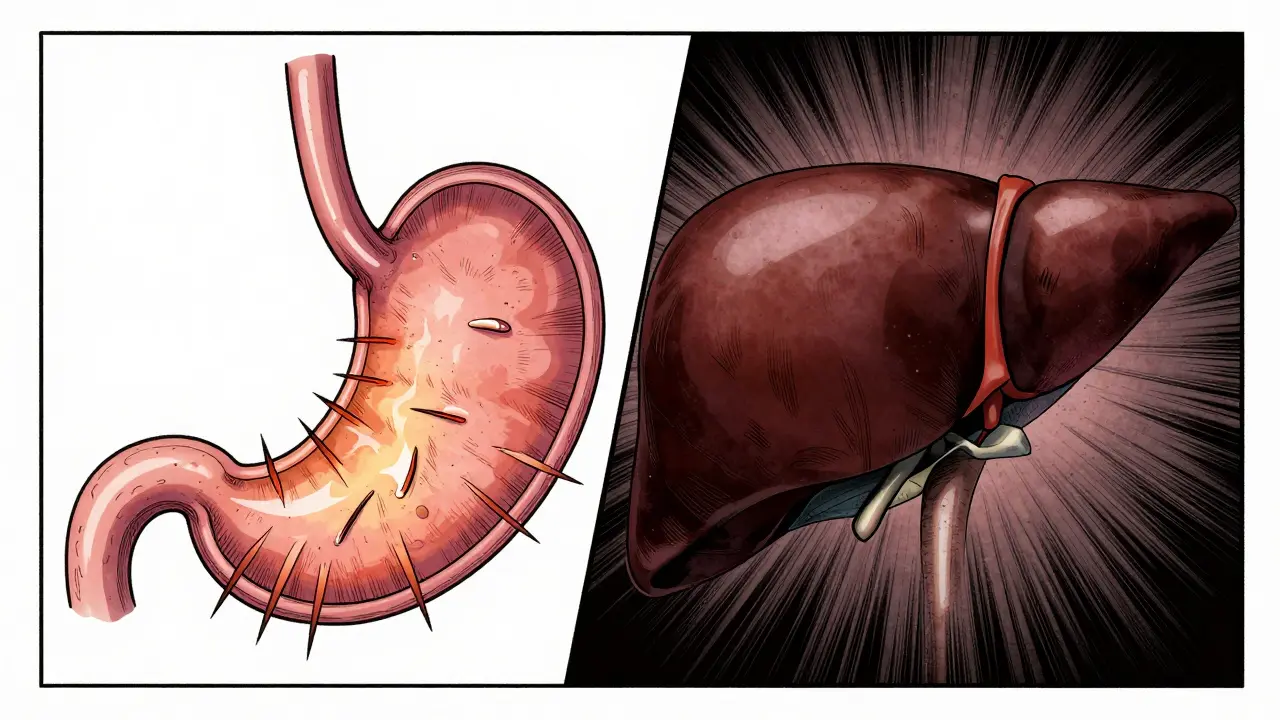
However, NSAIDs come with a trade-off. Because they affect the lining of the stomach, regular use can increase the risk of gastrointestinal bleeding by up to 2.5 times if you exceed 1,200mg daily. They can also be dangerous for people with asthma, as about 10-20% of asthmatics experience a respiratory reaction to these drugs. If you have a sensitive stomach or kidney issues, these might not be your best bet.
Acetaminophen, the active ingredient in Tylenol, is a different beast entirely. It works primarily in the central nervous system to block pain and reduce fever. Unlike NSAIDs, it doesn't do anything for swelling. This makes it the safer choice for people with bleeding disorders or stomach ulcers.
The danger with acetaminophen is hidden. While it's easy on the stomach, it's tough on the liver. Overdosing on acetaminophen is one of the leading causes of acute liver failure, contributing to roughly 56,000 emergency room visits every year. Many people accidentally overdose because acetaminophen is hidden in other medicines, like multi-symptom cold and flu liquids. Always check the label to ensure you aren't double-dosing.
| Feature | NSAIDs (e.g., Ibuprofen) | Acetaminophen (Tylenol) |
|---|---|---|
| Reduces Inflammation | Yes | No |
| Primary Risk | Stomach/Kidney/Heart | Liver Toxicity |
| Best For | Muscle aches, arthritis, cramps | Headaches, fevers |
| Typical Duration | 4-6 hours | 4-8 hours |
Taming the Sneeze: The World of Antihistamines
Allergies aren't just a nuisance; they can make it impossible to focus on work or sleep. To stop this, we use Antihistamines, which are drugs that block histamine, the chemical your immune system releases during an allergic reaction. Not all antihistamines are created equal, and picking the wrong one can leave you feeling like you've been drugged with a sedative.
First-generation antihistamines, like Diphenhydramine (Benadryl), are fast. They hit your system in 15-30 minutes, making them great for acute allergic reactions. However, they cross the blood-brain barrier, which means they hit your brain hard. About 50% of users report extreme drowsiness. For elderly patients, this is particularly dangerous, as it can increase the risk of falls by 50% due to cognitive impairment.
Second-generation antihistamines, such as Loratadine (Claritin), Cetirizine (Zyrtec), and Fexofenadine (Allegra), were designed to fix this. They don't penetrate the brain as easily, meaning you get the allergy relief without the "brain fog." While they take longer to kick in (1-3 hours), they last much longer-often providing 24-hour coverage with a single dose. If you need to stay awake and alert at your desk, second-gen is the only way to go.
Dosing Pitfalls and Safety Red Flags
The biggest mistake people make with OTC drugs isn't choosing the wrong medicine-it's taking too much of the right one. Dosing errors are surprisingly common, and many of them happen because of simple misunderstandings of the packaging.
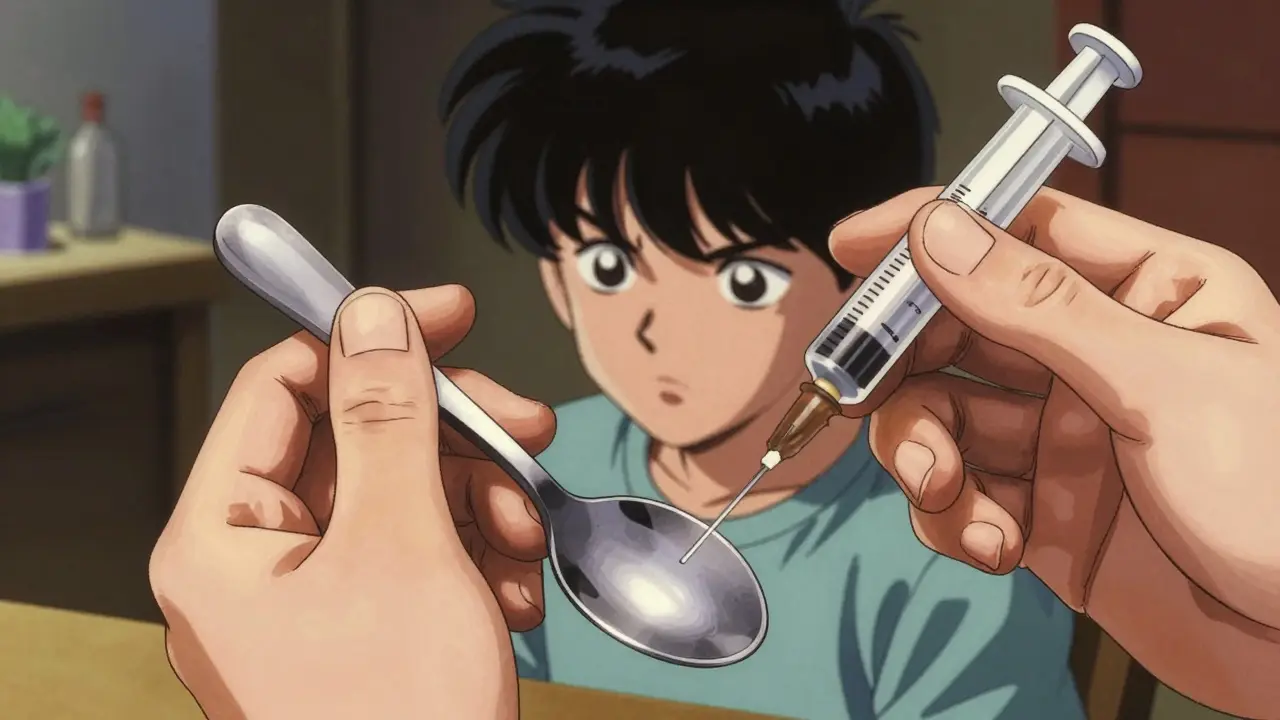
For instance, the FDA has noted that many parents confuse tablespoons (TBSP) with teaspoons (TSP), leading to a 20% error rate in pediatric dosing. When giving medicine to a child, never use a kitchen spoon; always use the measuring device that comes with the medication. If you've lost it, ask your pharmacist for a proper oral syringe.
Then there's the "hidden ingredient" trap. You might take a dose of Tylenol for a headache and then take a "Nighttime Cold & Flu" syrup for a cough. If that syrup also contains acetaminophen, you could unknowingly exceed the 4,000mg daily limit. To keep yourself safe, stick to these general rules of thumb:
- The Acetaminophen Buffer: While 4,000mg is the legal limit, many doctors recommend staying under 3,000mg to be safe.
- The NSAID Ceiling: For OTC ibuprofen, don't exceed 1,200mg in 24 hours unless a doctor tells you otherwise.
- The Antihistamine Switch: If a specific allergy med isn't working, try another brand. About 20% of people respond differently to various antihistamines because of their unique genetic makeup.
Knowing When to Stop Self-Treating
OTC meds are tools for short-term relief, not long-term cures. If you find yourself reaching for ibuprofen every single day for a month, you aren't treating a symptom; you're masking a problem. Long-term use of NSAIDs can lead to chronic kidney issues or high blood pressure. Similarly, relying on first-generation antihistamines to help you sleep can lead to a tolerance where the drug stops working, leaving you more tired than when you started.
You should stop and call a professional if you experience "rebound headaches" (headaches that return as soon as the medicine wears off) or if you notice dark, tea-colored urine, which can be a sign of liver stress from acetaminophen. A pharmacist is often the most accessible healthcare provider you have; they can tell you if your current cocktail of OTC drugs is interacting poorly or if you've simply picked the wrong active ingredient for your symptoms.
Can I take Ibuprofen and Acetaminophen together?
Generally, yes. Because they use different pathways in the body-one targeting inflammation and the other targeting the central nervous system-they can be used together for severe pain. However, this should only be done under the guidance of a healthcare provider to ensure your kidneys and liver can handle both simultaneously.
Why does Benadryl make me so sleepy compared to Claritin?
Benadryl (diphenhydramine) is a first-generation antihistamine that easily crosses the blood-brain barrier, interacting with receptors in the brain that cause sedation. Claritin (loratadine) is a second-generation drug designed to stay out of the brain, which is why it doesn't cause the same level of drowsiness.
Is generic medication just as good as the brand name?
Yes. The FDA requires generic drugs to have the same active ingredients, strength, dosage form, and route of administration as the brand-name drug. The only differences are usually the inactive ingredients (fillers and dyes), which is why some people may prefer one over the other based on allergies to specific dyes.
What is the safest pain reliever for a senior citizen?
Acetaminophen is generally preferred for seniors because it carries a lower risk of gastrointestinal bleeding and heart complications compared to NSAIDs. However, the dose must be carefully monitored to avoid liver toxicity, especially if the person is on other medications.
What should I do if I accidentally take too much acetaminophen?
Seek medical attention immediately, even if you don't feel sick. Acetaminophen toxicity is dangerous because the symptoms (like nausea or jaundice) often don't appear until the liver damage is already severe. Early treatment with an antidote can be life-saving.
Next Steps for Safe Medication Use
To avoid mistakes in the future, start by auditing your medicine cabinet. Toss anything expired and group your medications by their purpose. If you are managing a chronic condition like high blood pressure or diabetes, create a simple checklist of which OTC drugs are "off-limits" for you based on your doctor's advice.
For those with children, invest in a high-quality oral syringe and keep a log of exactly when and how much medication was administered. This prevents the common mistake of double-dosing when two different caregivers are involved. When in doubt, remember that the pharmacist is your best free resource-they can help you translate a confusing label into a safe plan of action.