
Supplement & Drug Interaction Checker
Your Inputs
Many natural products interact with liver enzymes or blood clotting.
Analysis Results
Select your inputs and click "Analyze" to see potential biological and regulatory risks.
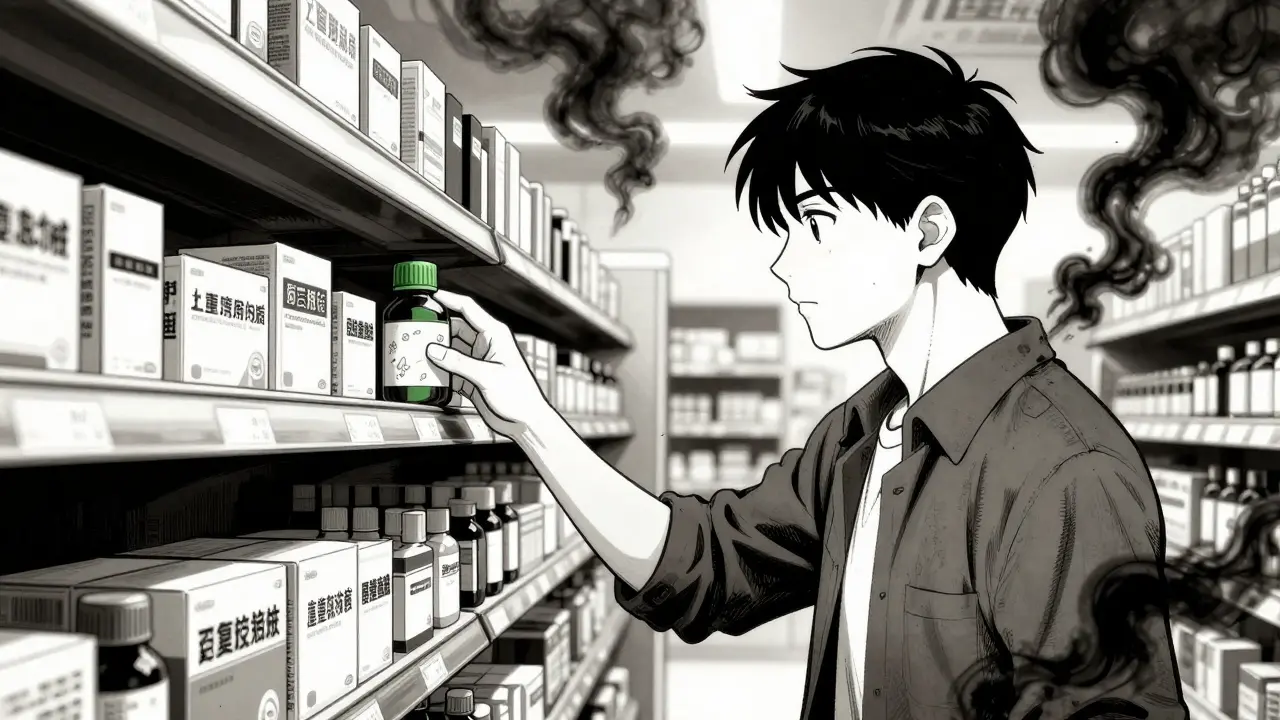
Picture this: You walk past a health food aisle and see a bright green label shouting "All Natural." Does it make you feel better? For most of us, it does. We instinctively believe that something grown in the earth carries less risk than a chemical synthesized in a lab. It feels safer. It feels healthier.
But here is the uncomfortable truth: that gut feeling is often misleading. In fact, believing a product is safe just because it is "natural" can lead to serious harm. We talk a lot about avoiding chemicals, yet many consumers assume supplements don't count as medicine. This assumption creates a dangerous blind spot in your personal health strategy.
The Fundamental Regulatory Gap
To understand why this happens, we have to look at how these products enter the market. In the United States, the rules governing medicines are completely different from those governing supplements. When a pharmaceutical company wants to sell a new drug, they face a rigorous gauntlet. They must conduct extensive clinical trials proving the drug works and, crucially, that it does not kill people before they can even sell a single pill.
Dietary Supplements, however, operate under a completely different framework known as the Dietary Supplement Health and Education Act (DSHEA). Passed in 1994, this law created a path for companies to bring products to market without proving safety or efficacy upfront. Instead of pre-market approval, the Food and Drug Administration (FDA) generally monitors these products after they are sold. If a product causes harm, the FDA investigates then.
This isn't just a minor paperwork difference; it changes the entire safety profile. A pharmaceutical drug has gone through years of testing, batch consistency checks, and monitoring. A bottle of herbal capsules sitting next to it may not have been tested against a standardized reference material to ensure every pill contains the exact same amount of active ingredient. One batch might be potent enough to work; the next might be inert, or worse, contaminated.
When Nature Turns Toxic
Let's get specific. There is a widespread misconception that synthetic drugs are poison while plants are pure. History shows us otherwise. Take Kava, for instance. Often marketed for anxiety relief, studies have linked kava consumption to severe liver damage in some users. Another famous case is Ephedra. Banned by the FDA in 2004, this herb was popular for weight loss and energy until evidence showed it could trigger heart attacks and strokes.
Why do these things happen? Plants are complex factories. They produce chemicals to defend themselves from bugs and disease. When you consume a concentrated extract, you are ingesting those defense chemicals. Unlike a pharmaceutical that targets a specific receptor in your body with precision, a plant extract is a cocktail of hundreds of compounds. Some might help, but others might attack your liver, kidneys, or heart without warning.
| Feature | Pharmaceuticals | Natural Products / Supplements |
|---|---|---|
| Pre-Market Approval | Mandatory Clinical Trials Required | No Pre-Market Safety Proof Required |
| Dosage Consistency | Strictly Controlled | Variable (Batch-to-Batch Variance Common) |
| Adverse Event Reporting | Mandatory & Rigorous Surveillance | Voluntary & Often Underreported |
| Interaction Warnings | Explicit Labeling Required | Often Missing or Vague |
We need to acknowledge that pharmaceuticals are not without risk. Yes, prescription drugs carry side effects, and sometimes they are life-threatening. Data suggests around 8% of hospital admissions involve adverse reactions to synthetic drugs. However, these numbers are visible. They are reported, studied, and tracked. When a supplement makes you sick, it often flies under the radar. Poison control centers lack specific categories for herbal injuries, making it easy to ignore the scale of the problem.
The Interaction Trap
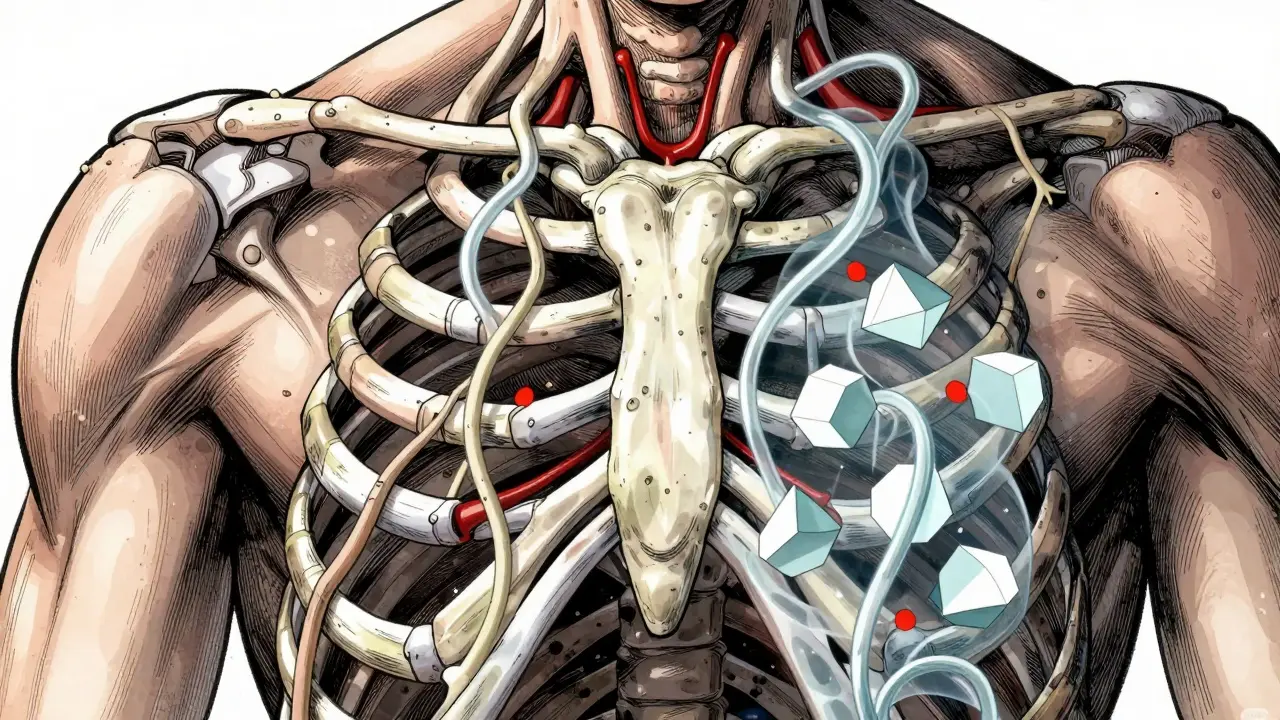
This brings us to the biggest hidden danger: interaction. Many people take their morning coffee and their multivitamin without a second thought, but they rarely think about how a herbal tea or an antioxidant blend might react with their morning prescription. The human body is an intricate chemical system, and introducing unregulated variables can break the delicate balance.
A prime example is St. John's wort. Widely used for mild depression, this herb is a metabolic powerhouse. It induces liver enzymes that break down medications rapidly. If you take it alongside birth control pills, blood thinners, or antidepressants, the result can be catastrophic. Your medication gets metabolized so fast it becomes ineffective, potentially leading to an unplanned pregnancy or a stroke. Because the herb itself tastes fine, and you feel "fine" taking it, you miss the silent sabotage happening in your bloodstream.
Ginkgo biloba is another culprit. Promoted for memory, it acts as a blood thinner. If you take aspirin or warfarin along with ginkgo, you risk uncontrollable bleeding. These interactions aren't theoretical. They happen in ERs daily. The problem is that supplement bottles often sit in the back of the kitchen cupboard, ignored by your primary care physician who assumes you aren't taking anything risky.

Data Versus Perception
Why does the debate continue if the risks are so obvious? Statistics play a massive role in public perception. News headlines often cite the high number of deaths caused by pharmaceutical errors. While true, this statistic reflects scrutiny. Every time a patient dies on a strong painkiller, it is documented. When someone takes a raw herb at home and gets a stomach ache, it rarely reaches a government database.
Furthermore, the manufacturing gap plays a part. Pharmaceutical labs are heavily regulated regarding cleanliness, contamination, and labeling. Supplements often lack third-party verification. Studies have found numerous times that the actual ingredients in a bottle differ wildly from the label. Sometimes, banned substances are added to boost performance, and sometimes, contaminants like lead or arsenic end up in the final powder due to poor soil quality or processing methods.
How to Protect Yourself in 2026
So, are natural products safer? Not inherently. Neither category holds a monopoly on safety. Both require respect, caution, and knowledge. If you choose to use them, you must change how you shop and how you communicate with your doctors.
- Disclose Everything: Doctors need to know every bottle you own. Don't hide the vitamins, the tinctures, or the teas. Bring the bottles to the appointment. If you treat them like secret snacks, they won't protect you.
- Check for Verification: Look for seals from independent organizations like USP Verified or NSF. These indicate the product has been checked for purity and potency. Without these marks, you are trusting the manufacturer's word alone.
- Understand "Natural": Recognize that "natural" has no legal definition when it comes to health products. Snake venom is natural. Poison oak is natural. Just because it grew outside doesn't mean it belongs inside you.
- Monitor Symptoms: If you start a new supplement, pay close attention to how you feel. Unexplained fatigue, bruising, or stomach issues could signal an interaction or reaction.
Ultimately, the choice depends on transparency. A pharmaceutical drug tells you clearly what it is, what it does, and what it warns against. A natural product often relies on marketing buzzwords. In health, clarity is safety. If you cannot find clear information on how a product interacts with your condition, assume it is risky until proven otherwise.
It is worth noting that science is catching up. New technologies allow us to isolate active compounds from nature and turn them into safer, standardized treatments. Until that technology catches up with the supply chains, your vigilance is the only barrier between safe usage and harm. Treat your health with the skepticism you would apply to any financial investment, because unlike money, your biology doesn't always come with a refund policy.
Are dietary supplements regulated by the FDA?
Not in the same way as drugs. Under the Dietary Supplement Health and Education Act (DSHEA), manufacturers do not need to prove safety or effectiveness before selling products. The FDA can take action against unsafe supplements after they reach the market, but there is no mandatory pre-approval process like there is for pharmaceuticals.
Can natural products interact with prescription medications?
Yes, frequently. Herbs like St. John's wort and Ginkgo biloba can alter how your liver processes prescription drugs, reducing their effectiveness or increasing toxicity. Always inform your doctor about all supplements you take to avoid dangerous interactions.
Is organic produce safer than synthetic fertilizers?
This applies differently to food versus health products. While organic farming practices reduce synthetic pesticide exposure, the term "organic" on a supplement bottle does not guarantee safety from bacterial contamination or toxic compounds produced naturally by the plant itself.
How can I verify a supplement is safe?
Look for third-party testing seals such as USP Verified, NSF Certified for Sport, or ConsumerLab. These independent verifications check for contaminants and ensure the label accurately reflects the contents. Avoid brands without any external verification.
Why do people still believe natural is safer?
This is often a cognitive bias called the appeal to nature. Humans associate "natural" with purity and evolution, viewing man-made chemicals as toxic. Marketing campaigns reinforce this belief, even though many potent toxins exist naturally and many synthetic medicines save lives without side effects.
Jonathan Sanders
March 30, 2026 AT 17:40Oh fantastic, another article telling us everything we love buying is probably poison. We just need to stop believing in magic mushrooms and accept that Big Pharma holds the keys to our health insurance premiums. It is exhausting to pretend that a kale smoothie is going to fix a genetic disorder. People just want a quick pill for their anxiety instead of reading pages of warning labels. I guess we can all just go home and burn our vitamin bottles now.
This kind of fear-mongering is really popular right in the wellness community. It makes me wonder why they have not banned coffee yet.
Just kidding about the coffee part obviously.
But seriously, I doubt anyone thinks a lab coat knows better than a forest anymore.
Kendell Callaway Mooney
March 31, 2026 AT 10:00You should always talk to your doctor before you start new supplements. They know what is safe for your body and what could hurt you. Most people forget that herbs act like drugs inside your system. Taking St John s wort is dangerous if you are on certain medicines. The FDA does not check vitamins the same way they check pills. You might be safe but you could also be taking bad stuff. Please check the bottle for those safety seals mentioned above. It helps keep everyone healthy in the long run. I hope you find what you need.
Cameron Redic
March 31, 2026 AT 12:50The DSHEA framework fundamentally changes how risk is assessed across the board. Manufacturers simply ship products before any rigorous testing occurs at all. Batch consistency is practically non-existent in the supplement market today. One pill might have active ingredients and the next might be chalk. This variability is exactly why we cannot rely on nature for precision medicine. History has shown us that plants produce toxins to survive in the wild. You ingest those same chemical defenses when you pop a tablet. The liver has to work overtime processing these complex cocktails daily. Interactions occur silently because the label rarely warns you enough. Blood thinners mixed with Ginkgo biloba lead to hospital visits constantly. People ignore these risks because marketing hides behind the word natural. Fear of chemicals drives more sales than safety concerns ever will. Regulatory bodies struggle to track adverse events after the damage is done. Contaminants like heavy metals frequently show up in random third-party tests. Standardization is the only way forward for genuine safety assurance.
Katie Riston
April 2, 2026 AT 01:03Perception often outweighs reality when it comes to human biology and health choices. We crave simplicity so much that we ignore the intricate web of metabolic pathways involved. Nature is brutal and efficient in ways that defy modern comfort or convenience. Safety is a construct we apply to things we understand deeply or control tightly. Blind faith in green labels ignores the historical context of herbal toxicity entirely. Many ancient poisons were derived from the very earth we revere as pure. Science aims to isolate the good while filtering out the inherent chaos of biology. Trusting the unknown over the regulated is a gamble with your physical life. Clarity provides security whereas ambiguity breeds potential harm over time. We must confront the uncomfortable truth that purity does not equal safety always.
Brian Yap
April 2, 2026 AT 14:09Pretty straight up honest about the dangers here mates.
Michael Kinkoph
April 2, 2026 AT 17:28Indeed!!! The nuances presented here are absolutely crucial!!!!!
One cannot simply ignore the stark difference in regulatory standards!!!!!
Safety requires diligence!!!!! And scrutiny!!!!!!!!
emma ruth rodriguez
April 3, 2026 AT 07:11Thank you for sharing this vital information regarding regulatory frameworks!!!
It is imperative that patients disclose all substances taken regularly!!!!!
This ensures optimal care outcomes!!!!! And prevents adverse reactions!!!!!!!!
We must prioritize informed consent above all else!!!!!
sanatan kaushik
April 4, 2026 AT 20:34Stop defending pharma just because they have laws on paper. Big money always controls the narrative whether it is synthetic or organic.
Natural does not mean weak.
You people are too scared of chemistry because marketing told you to be.
But yeah, listen to the doctors about mixing stuff.
I hate how everyone treats supplements like candy but treats prescriptions like holy water.
Wake up.
Jonathan Alexander
April 6, 2026 AT 20:06This is actually terrifying to read honestly!
Who knew my morning tea was basically fighting my meds?
I feel like I am walking around a minefield every single day!
The ER stats must be insane with all this hidden interaction stuff!
I am definitely bringing my bottles to my appointment next week!
Thanks for scaring me straight!
Charles Rogers
April 7, 2026 AT 22:44Most people just do not read the labels anyway. They see green packaging and assume it is safe. It is lazy thinking to equate natural with harmless. You need to educate yourself before trusting a bottle on the shelf. Ignorance kills just as fast as malice does in healthcare. Stop being reckless with your internal biology.
Marwood Construction
April 8, 2026 AT 12:30The discrepancy in oversight creates a significant liability for consumers. Transparency is lacking in the current marketplace environment. Verification seals are necessary indicators of quality control measures. Third-party testing adds a layer of required accountability.