

Learn how to manage diabetic neuropathy pain and protect your nerves with blood sugar control, proven medications, topical treatments, and lifestyle changes. Stop the damage before it's too late.
Medication Safety and Management in 2025: What You Need to Know
When it comes to your health, medication safety, the practice of using drugs correctly to avoid harm, errors, and dangerous interactions. Also known as drug safety, it’s not just about taking pills on time—it’s about understanding how they work with your body, your other meds, and even your daily habits. In November 2025, we saw a sharp rise in real-world stories where small mistakes—like mixing OTC painkillers with blood thinners or misreading liquid doses for kids—led to hospital visits. The good news? Most of these aren’t accidents waiting to happen. They’re fixable with simple, proven steps.
Medication management, the ongoing process of tracking, organizing, and adjusting drug use to match your health goals. Also known as drug therapy management, it’s where pharmacists step in to help patients on multiple prescriptions avoid dangerous overlaps. Think of it like balancing a budget—but instead of money, you’re managing doses, timing, and side effects. We covered how drug interactions, when two or more medications affect each other’s strength or safety. Also known as pharmacological interactions, they can turn a harmless pill into a life-threatening risk. Lopinavir/ritonavir boosting, methadone with QT-prolonging drugs, and even warfarin with vitamin K-rich foods all show how one change can ripple through your whole system. And it’s not just prescription drugs. OTC switches mean more people are using powerful meds without a doctor’s direct oversight—making it easier to miss red flags.
What ties all this together? Medication adherence, how consistently a patient takes their drugs as prescribed. Also known as treatment compliance, it’s the quiet hero behind every successful treatment plan. We found that pairing pills with daily routines—like brushing teeth or drinking coffee—cuts missed doses by nearly half. That’s better than alarms or apps. Meanwhile, generic drugs, medications that match brand-name drugs in dosage, safety, and strength but cost less. Also known as non-brand drugs, they’re not second-rate—they’re the backbone of affordable care. But insurance formularies treat them differently. Some require prior auth. Others push authorized generics—identical to the brand, just without the label. Knowing the difference can save you hundreds a year.
November 2025 wasn’t just about what to take—it was about how to take it right. From brown bag reviews for seniors on five or more meds, to dosing syringes for toddlers, to repairing skin barriers with ceramides for chronic eczema, the focus was always on real people, real risks, and real solutions. You’ll find no fluff here. Just clear, tested advice that works in homes, pharmacies, and clinics. Below, you’ll see exactly what people were reading this month—because when it comes to your health, knowing what to do next matters more than ever.

Tracking vitamin K intake with a food diary is essential for warfarin patients to maintain stable INR levels and avoid dangerous bleeding or clotting risks. Consistency, not avoidance, is the key.
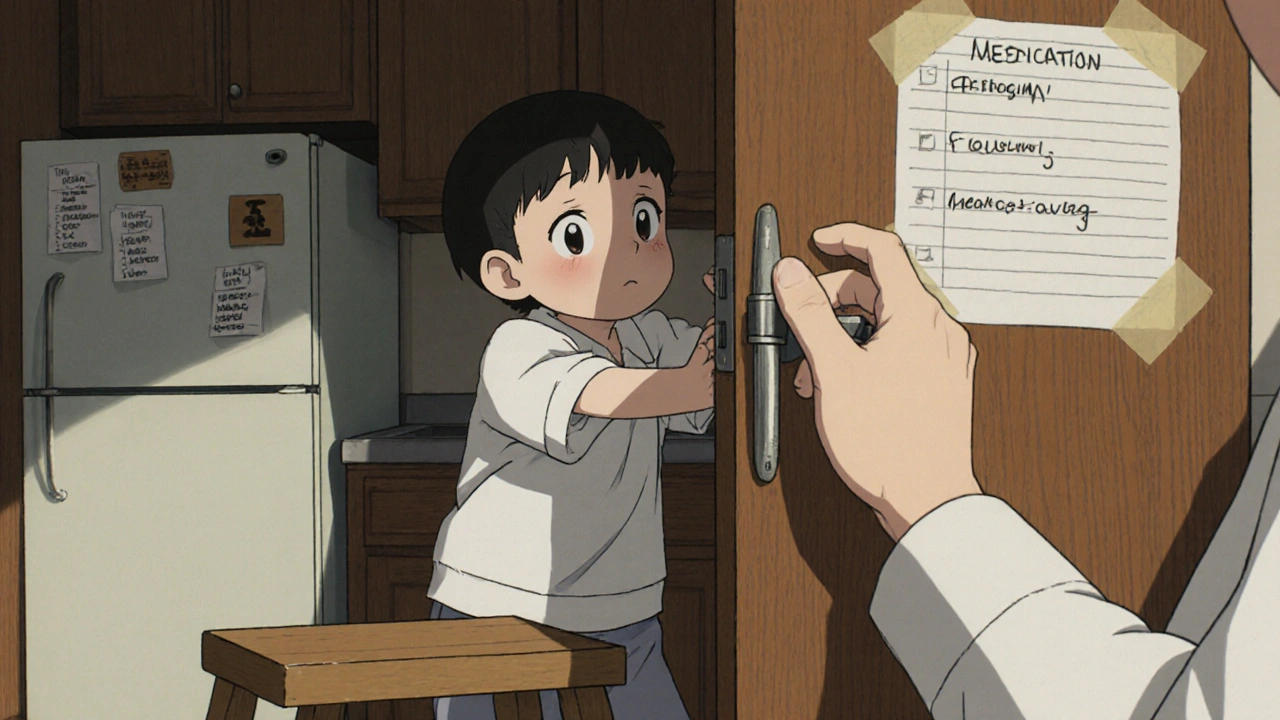
Learn how to create a safe medication routine at home to prevent accidental poisonings in kids and errors in seniors. Discover simple steps for storage, dosing, tracking, and emergency prep.

A brown bag medication review helps prevent dangerous drug interactions by having patients bring all their pills, supplements, and OTC meds to a provider for a full checkup. Learn how to prepare and why it’s essential for seniors on multiple medications.

Learn how to pair your medications with daily habits like brushing your teeth or drinking coffee to improve adherence. This simple, science-backed method reduces missed doses by up to 50% and works better than apps or alarms.

Chronic eczema is caused by a broken skin barrier, not just inflammation. Learn how ceramide-based repair, trigger avoidance, and itch control strategies can reduce flares, cut steroid use, and restore healthy skin - backed by 2025 clinical data.
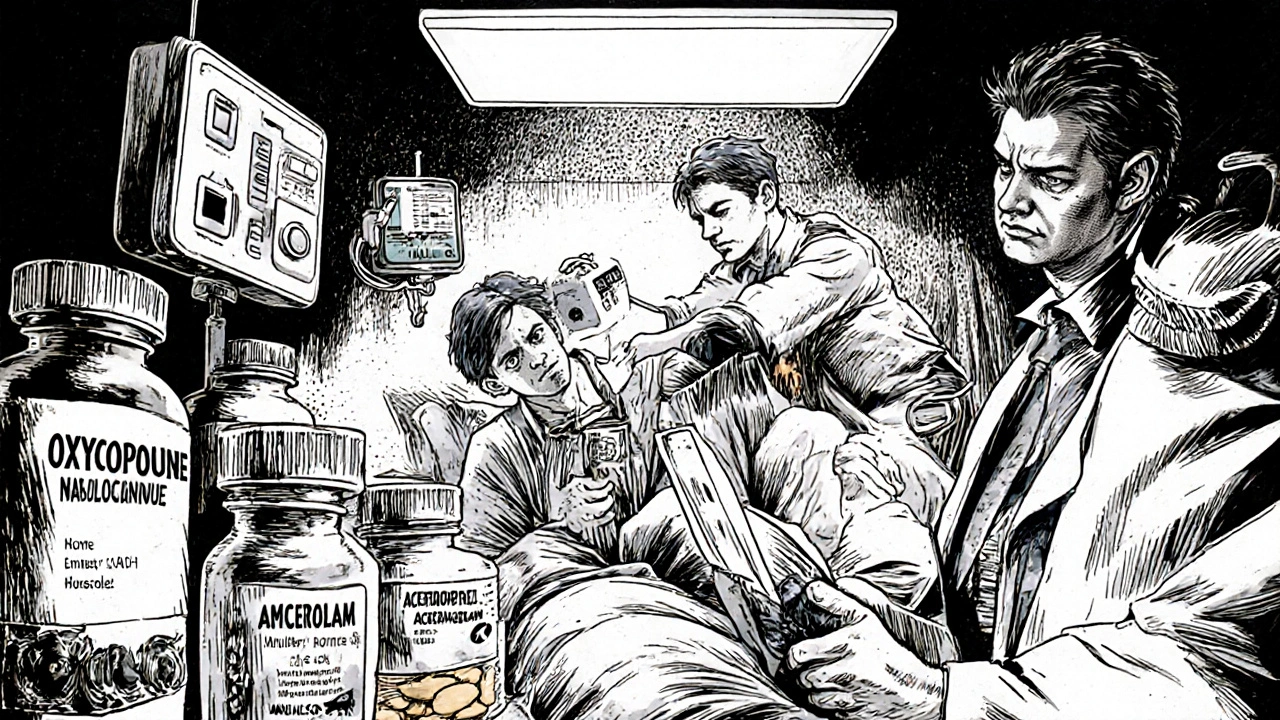
Multiple drug overdoses are complex medical emergencies requiring immediate, coordinated treatment. Learn how naloxone, acetylcysteine, and hospital protocols save lives when opioids, acetaminophen, and benzodiazepines are mixed.
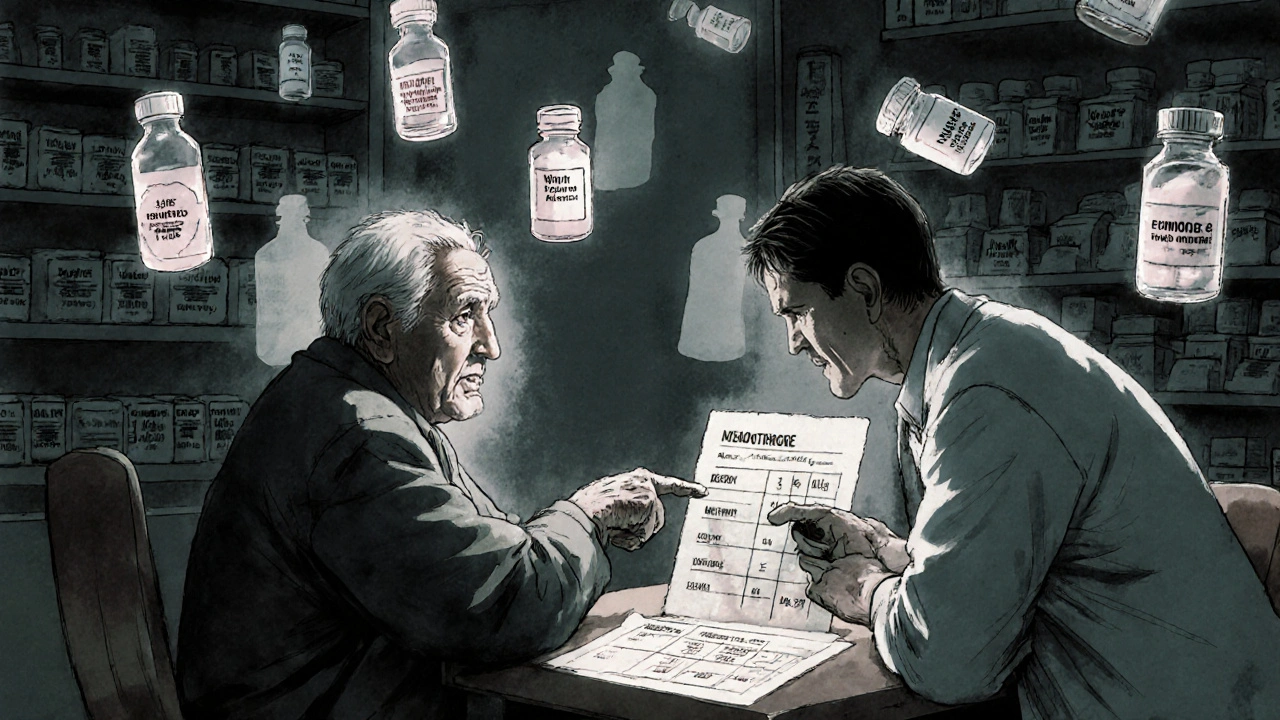
Pharmacists play a vital role in Medication Therapy Management by optimizing generic drug use to improve adherence, reduce costs, and prevent adverse events. Learn how MTM works and why it matters for patient outcomes.

Population pharmacokinetics uses real-world patient data to prove drug equivalence where traditional bioequivalence studies fall short-especially for vulnerable populations and complex drugs.

Methadone can dangerously prolong the QT interval, increasing the risk of fatal heart rhythms - especially when taken with other QT-prolonging drugs. Learn who’s at risk, which medications to avoid, and how to stay safe.