
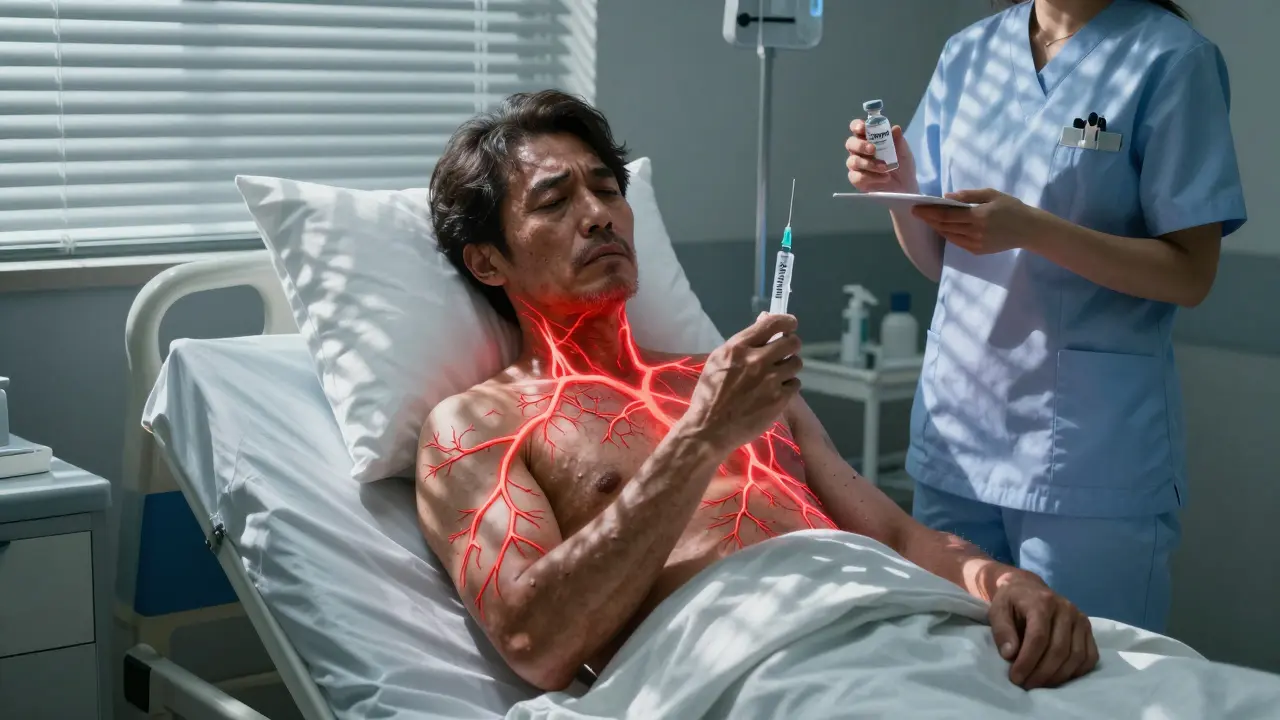
Shingles isn’t just a rash. For many people, it’s months of burning pain, sleepless nights, and a risk of long-term nerve damage that never fully goes away. The good news? There’s a vaccine that works better than anything we’ve had before. It’s called Shingrix, the recombinant zoster vaccine (RZV), and it’s now the only shingles vaccine available in the U.S. and many other countries. But who actually needs it? And is it worth the two shots and the temporary side effects?
Who is officially recommended to get Shingrix?
The Centers for Disease Control and Prevention (CDC) gives a clear answer: if you’re 50 or older, get Shingrix. No exceptions. That’s about 85 million adults in the U.S. alone. You don’t need to have had shingles before. You don’t need to be sick. You don’t even need to think you’re at risk. If you’re 50+, your immune system is naturally weakening, and the varicella-zoster virus - the same one that gave you chickenpox as a kid - is quietly waiting to reactivate. Shingrix cuts your risk of getting shingles by more than 90%.
But here’s something many people don’t know: the recommendation doesn’t stop at 50. If you’re 19 or older and your immune system is weakened - whether from cancer treatment, HIV, organ transplant, or long-term steroid use - you’re also a candidate. The CDC updated this guidance in 2018 after studies showed these high-risk groups were getting shingles at younger ages and with worse outcomes. For them, the second dose can even be given just 1 to 2 months after the first, instead of waiting 2 to 6 months, to get protection faster.
Why Shingrix over the old vaccine?
There used to be another shingles vaccine called Zostavax. It was a live virus shot. It worked okay - about 51% effective at preventing shingles. But it had major flaws. It didn’t work well in older adults. It didn’t work at all for people with weakened immune systems. And in 2020, it was pulled off the market entirely. Shingrix replaced it for good reasons.
Shingrix isn’t a live virus. It’s made from a piece of the virus (glycoprotein E) plus a powerful immune booster (AS01B). This means it’s safe for people with autoimmune diseases, cancer, or those on immunosuppressants. It’s also way more effective. For people aged 50 to 59, it’s 97% effective. For those 70 and older, it’s still 91% effective. That’s not a small improvement - it’s a game-changer. And it doesn’t just prevent the rash. It cuts the risk of postherpetic neuralgia (the long-lasting nerve pain that can last for years) by 90%.
What about if you already had shingles or got Zostavax?
Even if you’ve had shingles, you can still get Shingrix. The virus stays in your body after the outbreak, and you can get it again. The CDC says you should wait at least one year after your shingles episode before getting vaccinated. No need to wait longer.
If you got Zostavax in the past, you still need Shingrix. The CDC recommends getting two doses of Shingrix at least five years after your Zostavax shot. Why? Because Zostavax’s protection fades over time, and Shingrix gives you stronger, longer-lasting defense. Don’t assume you’re covered just because you got the old shot.
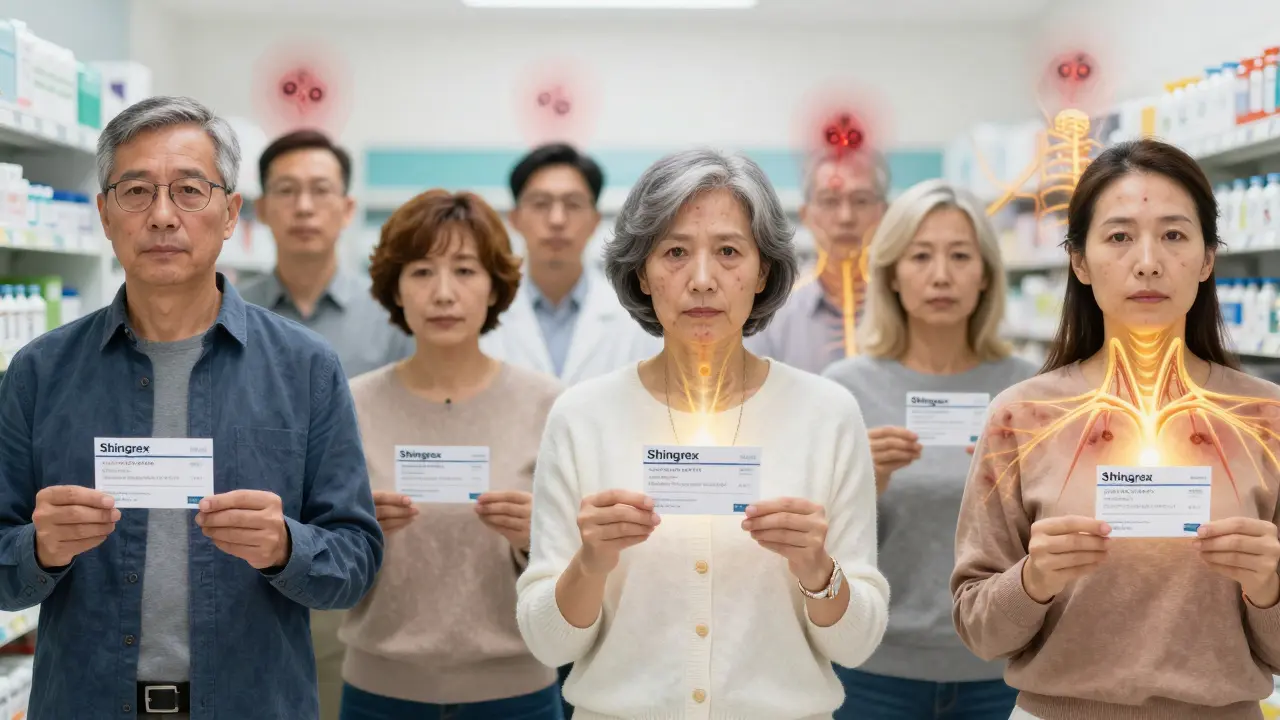
What’s the schedule? Two doses, not one.
Shingrix isn’t a one-and-done vaccine. You need two shots. The second dose should be given 2 to 6 months after the first. If you’re immunocompromised, you can get the second dose as early as 1 to 2 months later. Missing the second dose means you won’t get full protection. Studies show the first shot alone only gives about 70% effectiveness. The second shot pushes it over 90%.
It’s not uncommon for people to skip the second shot because they feel fine after the first. But shingles doesn’t wait. The risk builds over time. If you’re 65 and only got one shot, you’re still at high risk. Set a reminder. Talk to your pharmacist. Make it part of your routine.
What are the side effects? And are they worth it?
Let’s be honest: Shingrix can make you feel awful - for a day or two. About 80% of people get pain, redness, or swelling at the injection site. Half of people report muscle aches, fatigue, or headaches. One in five get a fever or chills. These aren’t mild. Some people say they couldn’t work or take care of their kids for 48 hours.
But here’s the thing: these side effects are temporary. They peak within 24 to 48 hours and are gone by day 3. No one has reported long-term damage from them. Compare that to shingles: 1 in 5 people get postherpetic neuralgia. That pain can last for months or years. It can make walking, dressing, or sleeping unbearable. The temporary discomfort of the vaccine is a small price to pay.
People who’ve had shingles often say they’d do it again in a heartbeat. They know what they’re avoiding.
Who should NOT get Shingrix?
There are only a few reasons not to get it. If you’ve had a severe allergic reaction (like anaphylaxis) to any ingredient in Shingrix - or to a previous dose - don’t get it. That’s rare. If you’re sick with a high fever right now, wait until you’re better. The vaccine is safe if you have a cold or mild illness.
It’s not recommended for pregnant women, though there’s no evidence it’s harmful. If you’re breastfeeding, it’s fine. It’s also not approved for children or teens under 19 unless they’re immunocompromised.
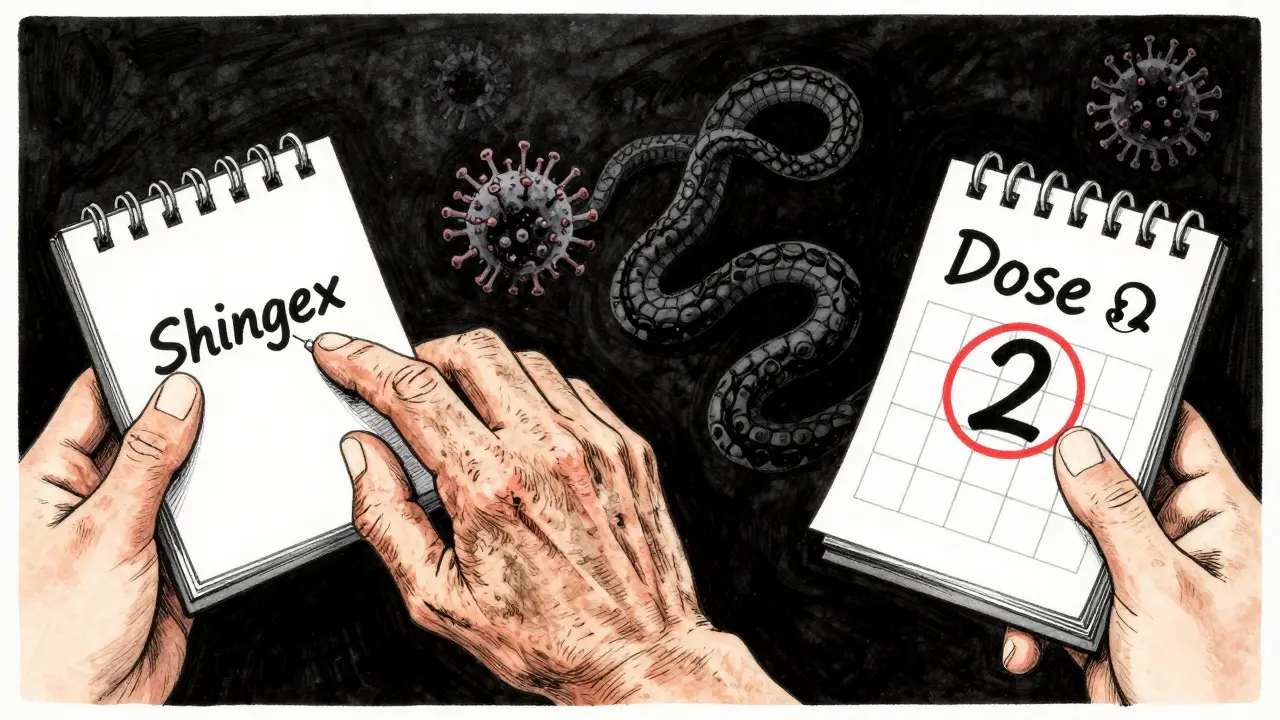
How much does it cost? Is it covered?
Shingrix costs about $175 for the full two-dose course. That’s less than the old Zostavax, which was $200 for one shot. Most private insurance plans cover it fully under preventive care. Medicare Part D covers it too - but you might pay a copay depending on your plan. Some pharmacies offer discounts if you pay out-of-pocket. Don’t let cost stop you. Talk to your pharmacist. Ask if your plan has a vaccine benefit. The cost of treating shingles - doctor visits, pain meds, lost work days - is far higher.
What’s the bottom line?
If you’re 50 or older, get Shingrix. If you’re 19 or older and immunocompromised, get Shingrix. It’s the most effective shingles vaccine ever made. It’s safe for nearly everyone. It prevents the worst complications. And while the side effects are real, they’re short-lived and far less dangerous than shingles itself.
Don’t wait until you’ve had an outbreak. Don’t assume you’re immune because you had chickenpox. Don’t skip the second shot. The virus is already in your body. Shingrix is your best defense.
What if I’m not sure I qualify?
Ask your doctor. Bring up your medical history - especially if you’ve had cancer, take steroids, have diabetes, or have any chronic condition. Your doctor can check your vaccination record and tell you if you need it. Pharmacies in most states can also give you the shot without a prescription if you meet the CDC guidelines. No need to wait for an appointment.
Luke Davidson
January 23, 2026 AT 17:44Man I got Shingrix last year at 52 and wow did I feel like I got hit by a truck for two days
But honestly? Worth every second of misery
I’ve seen my uncle go through shingles and it was like watching someone get tortured slowly
My arm hurt more than my soul did thinking about what could’ve been
Don’t wait until you’re in pain to care about this
Heather McCubbin
January 25, 2026 AT 11:11They’re selling fear wrapped in a vaccine
They’ve been lying to us for decades about how our bodies work
Why do you think the side effects are so bad? Because it’s not medicine-it’s control
And now they want you to get TWO shots? Like sheep to the slaughter
My grandma lived to 98 without any shots and never got shingles
Maybe your body doesn’t need your help to survive
Sawyer Vitela
January 27, 2026 AT 09:37Shingrix is 90%+ effective. Zostavax was 51%. Done.
Viola Li
January 27, 2026 AT 20:45So you’re saying I should get a vaccine that makes me feel like I have the flu just because some guy in a lab says so?
What if I’m just naturally immune?
What if my body knows better?
And why does this cost so much if it’s so great?
Something smells off.
Dolores Rider
January 28, 2026 AT 04:02Just got my second dose yesterday
First shot: sore arm, tired for 24 hours
Second shot: same thing, maybe worse
But I’m 61 and my mom had shingles for 18 months with nerve pain that made her cry at night
I’d rather be sore for two days than watch someone suffer like that again
And yes, insurance covered it 100%
Go get it. Seriously.
venkatesh karumanchi
January 28, 2026 AT 08:44Back home in India, we don’t have this vaccine easily
My cousin got shingles at 44 after chemo
He lost sleep for a year
He said if he knew about this, he’d have flown to the US just to get it
It’s not just an American thing
It’s a human thing
Don’t wait for pain to teach you
Vatsal Patel
January 29, 2026 AT 21:10Oh so now we’re all supposed to be vaccinated by government decree?
Next they’ll make us drink fluoride and hug our neighbors
Shingrix? More like Shing-rip-off
They made the old vaccine disappear so you’d buy the new one
And now you’re all lining up like it’s Black Friday
Pathetic.
Jenna Allison
January 30, 2026 AT 00:38Just a quick note for anyone reading this-don’t skip the second dose
I know it’s tempting, especially if you felt fine after the first
But the data shows you’re only at 70% protection with one shot
And if you’re over 60, that’s not enough
I work in a clinic, we see people come in with shingles after only one dose
It’s heartbreaking
Set a reminder on your phone. Tell your partner. Do whatever it takes.
Two shots. Full protection. No excuses.