
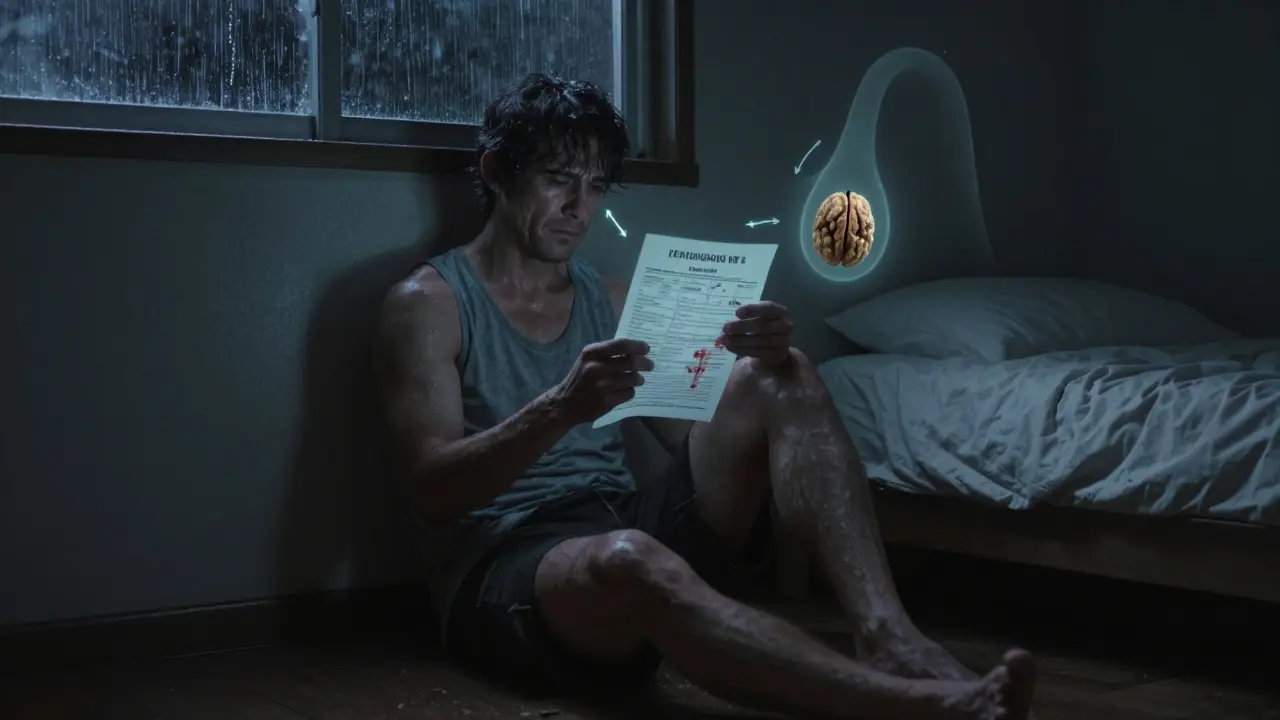
If you’re a man over 40 and have been feeling off-tired all the time, losing muscle, struggling with libido, or just not yourself-it might not be just aging. It could be male hypogonadism, a condition where your body doesn’t make enough testosterone. This isn’t rare. About 4 to 5 million men in the U.S. have it, and the numbers climb with age: 20% of men in their 60s, 30% in their 70s, and half of men over 80 have levels below the clinical threshold. But here’s the catch: most of them don’t know it. And even more don’t get treated properly.
What Exactly Is Male Hypogonadism?
Male hypogonadism means your testes aren’t producing enough testosterone. But it’s not one problem-it’s two. There’s primary hypogonadism, where the testes themselves are broken. And there’s secondary hypogonadism, where the brain (hypothalamus or pituitary) isn’t telling the testes to make testosterone. The difference matters because it changes how you treat it.Primary hypogonadism shows up with high LH and FSH levels-your brain is screaming at the testes, but they’re not listening. Causes include Klinefelter syndrome (a genetic condition), past mumps infection that damaged the testes, or iron overload from hemochromatosis. Secondary hypogonadism is way more common-85-90% of cases. It’s often tied to obesity, chronic opioid use, or pituitary tumors. In these cases, LH and FSH are low or normal because the signal from the brain is weak.
How Do You Know If You Have Low Testosterone?
Symptoms don’t show up all at once. They creep in. You might notice:- Reduced sex drive-this is the most common sign, affecting 85% of men with confirmed low T
- Fewer spontaneous erections or no morning wood
- Feeling drained, even after a full night’s sleep
- Losing muscle mass and gaining belly fat-sometimes without changing diet or exercise
- Mood swings, irritability, or feeling depressed for no clear reason
- Thinner bones, leading to unexplained fractures
Here’s what doctors look for: two early morning blood tests (between 8 AM and 11 AM) showing total testosterone below 300 ng/dL. Why two tests? Because one low reading could be a fluke. Stress, illness, or poor sleep can drop levels temporarily. And don’t rely on cheap clinic tests-mass spectrometry is the gold standard. Immunoassays can give false positives up to 20% of the time.
Also, check your testicle size. If they’re smaller than 15 mL (about the size of a large walnut), that’s a red flag. And if you’re overweight, especially with a BMI over 30, your testosterone could be 30-50% lower than normal. Losing just 10% of your body weight can boost levels by 150-200 ng/dL in many men.
When Is Testosterone Therapy Right for You?
Testosterone replacement therapy (TRT) isn’t a magic pill for aging. It’s for men with clear symptoms AND confirmed low levels. The American Urological Association says treatment should only start if you have both. You can’t just feel tired and ask for a prescription.TRT works. Most men report better energy, stronger erections, and improved mood within 3 to 6 weeks. Muscle mass increases with resistance training. Bone density improves over 6-12 months. Anemia often clears up-hemoglobin rises by 1.3 g/dL on average, according to the NIH Testosterone Trials.
But it’s not for everyone. If you have prostate cancer, untreated heart failure, or hematocrit over 50%, TRT is dangerous. It can worsen sleep apnea, cause acne, or lead to polycythemia-where your blood gets too thick. About 15% of men on TRT need regular blood draws to thin their blood.
And here’s the truth: not everyone responds. About 30% of men have normal testosterone levels after treatment but still feel bad. That means something else is going on-sleep apnea, depression, thyroid issues, or just poor lifestyle habits.
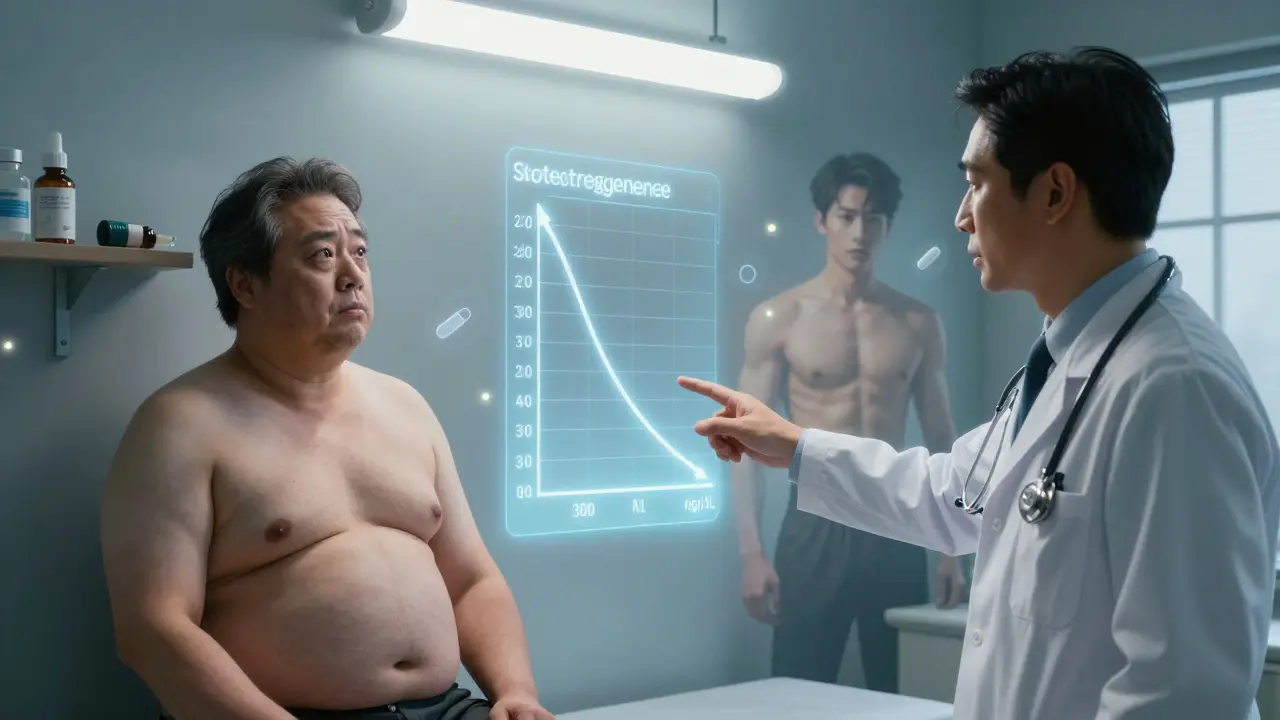
Types of Testosterone Therapy: What Works Best?
There are five main ways to replace testosterone. Each has pros and cons:- Topical gels (Androgel, Testim): Applied daily to shoulders or arms. Absorption is good-85% gets into your system. But you can transfer it to your partner or kids if you don’t wash up. That’s why 1.5% of households report accidental exposure.
- Injections (Testosterone Cypionate or Enanthate): Given every 2-4 weeks. Cheap-$30 to $50 a month. But levels spike then crash, which can cause mood swings. You need to learn how to inject yourself or visit a clinic.
- Buccal tablets (Striant): Stuck to your gum twice a day. Avoids skin transfer. But they can irritate your mouth and taste weird.
- Subcutaneous pellets: Tiny pellets inserted under the skin every 3-6 months. Stable levels, no daily hassle. But it’s a minor surgical procedure costing $500-$1,000.
- Oral capsules (Jatenzo): New in 2023. Taken with a high-fat meal. No skin transfer, no injections. But it’s expensive and can stress your liver if you don’t follow dosing rules.
Adherence is a big problem. About 25% of men quit TRT within six months because it’s inconvenient. Gels require daily discipline. Injections need appointments. Pellets need a minor procedure. Find what fits your life.
The Big Controversy: Is TRT Safe for Your Heart?
This is the most heated debate in endocrinology. In 2015, the FDA added a black box warning after some studies linked TRT to heart attacks in older men. But those studies had flaws-they didn’t control for pre-existing heart disease.More recent data tells a different story. A 2022 study in the Journal of Clinical Endocrinology & Metabolism showed men on proper TRT had a 30% lower risk of dying from any cause. The TRAVERSE trial, tracking 5,000 men through 2025, is the first large, long-term study designed to settle this. Early results suggest that for men without heart disease, TRT doesn’t increase heart attack risk.
Dr. Ronald Swerdloff, a leading endocrinologist, says: “TRT should never be used as an anti-aging trick.” But Dr. Abraham Morgentaler from Harvard argues the fear has been exaggerated. “The real danger,” he says, “is leaving low testosterone untreated.”
The bottom line: if you’re healthy, have symptoms, and your labs confirm low T, TRT is likely safe. But if you have heart disease, high blood pressure, or a history of stroke, proceed with caution and get cleared by a cardiologist.
What About Lifestyle Changes?
Before you start TRT, try this: lose weight, lift weights, sleep better, and cut alcohol. For men with obesity-related hypogonadism, 70% see testosterone levels rise by 150-200 ng/dL after losing 10% of body weight. That’s often enough to avoid medication.Resistance training-squats, deadlifts, push-ups-boosts testosterone naturally. Aim for 3 sessions a week. Sleep 7-8 hours. Poor sleep cuts testosterone by 10-15%. Alcohol? Even moderate drinking lowers levels. Cut back.
And if you’re on opioids-prescribed painkillers-talk to your doctor. Chronic opioid use drops testosterone by 40-60%. Switching to non-opioid pain management can restore levels without TRT.
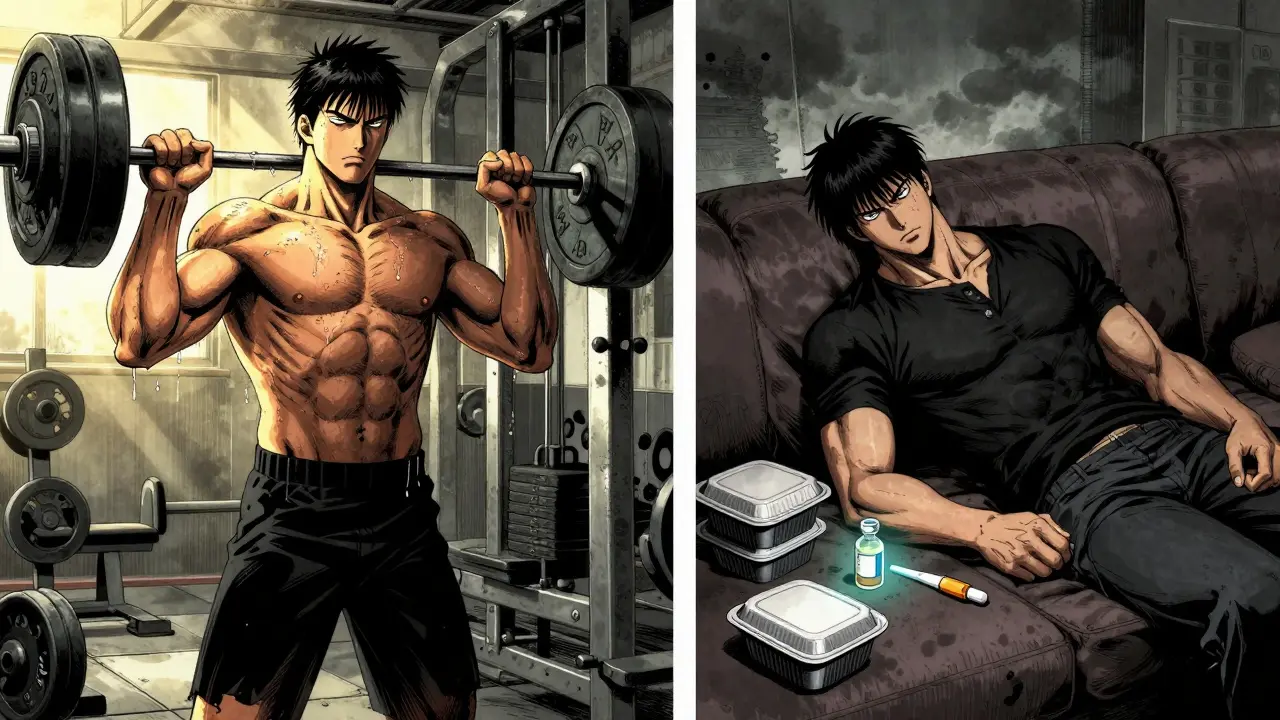
What Happens After You Start?
You can’t just start TRT and forget it. You need monitoring:- Check hematocrit every 3-6 months. If it goes above 50%, you risk clots. Phlebotomy (blood removal) helps.
- PSA levels should be checked at 3 and 6 months. If it rises sharply, rule out prostate cancer.
- Use the Aging Males’ Symptoms (AMS) scale to track mood, energy, and sex drive. It’s a simple 17-question survey.
- Testosterone levels should stay between 350-700 ng/dL. Higher isn’t better-it increases side effects.
Most men feel better within 3 months. But full benefits-muscle gain, bone density improvement-take 6 to 12 months. If you don’t feel better after 6 months, the problem might not be low T.
When Should You Stop?
Some men stop TRT because of cost-$300-$500 a month out of pocket. Others quit because of side effects. But here’s something surprising: if your low T was caused by obesity, and you lose weight, you might be able to stop.One study found that 65% of men who lost 10% of their body weight stopped TRT within 18 months. Their testosterone stayed normal. But if your cause is genetic-like Klinefelter syndrome-you’ll need TRT for life.
Stopping TRT abruptly can cause a crash-fatigue, depression, loss of muscle. Always taper under medical supervision.
What’s Next for Treatment?
New options are coming. SARMs (selective androgen receptor modulators) like enobosarm are in late-stage trials. They build muscle without suppressing natural testosterone. That could be a game-changer for men who want results without shutting down their own production.The future isn’t just about fixing numbers. It’s about matching treatment to your phenotype. Are you the guy with low energy and fat gain? Or the one with poor erections and mood swings? Your treatment should be personalized, not one-size-fits-all.
For now, the best advice is simple: if you’re feeling off, get tested. Don’t assume it’s just aging. And if you’re diagnosed, work with a doctor who understands the full picture-not just the hormone level, but your sleep, your weight, your heart, and your life.
Can low testosterone cause depression?
Yes. Low testosterone is strongly linked to low mood, irritability, and even clinical depression in men. Studies show that men with testosterone levels below 300 ng/dL are 2-3 times more likely to report depressive symptoms than those with normal levels. TRT often improves mood, but it’s not a substitute for therapy or antidepressants if depression is severe.
Is testosterone therapy safe for men over 65?
It can be, but only if you’re healthy. The FDA’s 2015 warning was based on a study that included men with existing heart disease. Newer data shows that for men without cardiovascular issues, TRT doesn’t increase heart attack risk. The key is proper screening-checking your heart health, blood pressure, and hematocrit before starting. Age alone isn’t a reason to avoid treatment.
Can I get testosterone without a prescription?
No, and you shouldn’t try. Testosterone is a controlled substance. Products sold online as “testosterone boosters” are mostly herbs or supplements that don’t raise testosterone levels significantly. Some contain hidden steroids, which can damage your liver and shut down your natural production. Always get tested and treated under medical supervision.
How long does it take to see results from TRT?
Most men notice better energy and mood within 2 to 4 weeks. Libido and erections usually improve by 4 to 6 weeks. Muscle mass and strength take 3 to 6 months, especially with training. Bone density improves over 6 to 12 months. Patience matters-this isn’t a quick fix.
Does TRT shrink your testicles?
Yes, it can. When you add external testosterone, your brain stops signaling your testes to make their own. This causes them to shrink-a condition called testicular atrophy. It’s harmless but can be concerning. Some men use hCG (human chorionic gonadotropin) alongside TRT to keep testicular function active, but that’s an off-label use and not for everyone.
Can I still have kids if I’m on TRT?
TRT suppresses sperm production. If you want to father children, you shouldn’t use TRT. Instead, your doctor may prescribe clomiphene or hCG to stimulate natural testosterone and sperm production. If fertility is your goal, talk to a reproductive endocrinologist before starting any treatment.
Sharon Biggins
January 23, 2026 AT 19:26i’ve been feeling so tired lately and thought it was just work stress… but reading this made me realize it might be more. i got tested last month and my levels were low. started gels last week and already feel like i can breathe again. you’re not alone, guys.
lorraine england
January 24, 2026 AT 20:37oh please. everyone’s blaming low T for everything now. i know a guy who took TRT and turned into a rage monster. your ‘energy’ is just caffeine and denial. go lift weights, sleep 8 hours, and stop chasing magic potions. this is just pharma marketing in a lab coat.
Darren Links
January 24, 2026 AT 21:16Sharon’s comment hit home. I was skeptical too until I got my labs done. My total T was 248 - below the cutoff. I started injections and within 3 weeks, I was sleeping better and my wife noticed I wasn’t snapping at her all the time. It’s not a cure-all, but if you’ve got symptoms AND confirmed low levels? It’s worth exploring with a good doc. Also, losing 12% body weight boosted mine naturally before I even started TRT. Lifestyle first, meds second.
Kevin Waters
January 24, 2026 AT 21:20Biggest myth I hear: ‘TRT makes you aggressive.’ Nah. Most men feel calmer because their brain chemistry isn’t being starved. I’ve seen guys go from ‘I don’t care’ to ‘I want to fix things’ - that’s not testosterone rage, that’s neurochemical restoration. And yes, testicles shrink. But so do your muscles if you stop lifting. It’s a side effect, not a disaster. Talk to your endo about hCG if you’re worried. And please, stop buying ‘testosterone boosters’ off Amazon - they’re sugar pills with green tea extract.
Kat Peterson
January 26, 2026 AT 10:41OMG I’m literally crying rn 😭 I’ve been feeling like a ghost in my own body for 3 years… and now I know it’s NOT my fault?? I’m getting tested tomorrow!! 💪❤️ #LowTIsReal #StopBlamingMeForBeingTired
Helen Leite
January 26, 2026 AT 22:34they don't want you to know this but the government and big pharma are hiding the truth about testosterone. they want you weak so you'll take pills and stay dependent. the real cure is cold showers and sunlight and eating raw liver. they banned natural cures because they can't patent them. also, your doctor is lying to you. check your blood pressure with a Walmart machine - it's rigged.
Izzy Hadala
January 27, 2026 AT 01:55While the article presents a comprehensive overview of male hypogonadism and therapeutic modalities, I would respectfully request clarification regarding the statistical methodology employed in the cited 2022 JCEM study. Specifically, were confounding variables such as socioeconomic status, physical activity levels, and baseline comorbidities adjusted for in the multivariate regression models? Additionally, the assertion that ‘TRT doesn’t increase heart attack risk’ appears to conflate relative risk reduction with absolute risk - a common statistical misinterpretation in clinical literature. I would appreciate peer-reviewed citations supporting the claim that hematocrit >50% is an absolute contraindication, as some European guidelines permit therapeutic phlebotomy in lieu of discontinuation.
Marlon Mentolaroc
January 28, 2026 AT 12:05Let’s be real - 85% of men who get diagnosed with low T are just lazy. You want more energy? Get up at 5 AM. Stop scrolling. Lift heavy. Eat protein. Sleep like your life depends on it. You don’t need a prescription - you need discipline. And if you’re blaming your lack of motivation on hormones, you’re just avoiding responsibility. I’ve seen too many guys go from ‘I’m tired’ to ‘I need TRT’ to ‘I need a new girlfriend’ because they didn’t fix their life. Hormones don’t fix bad habits. You do.